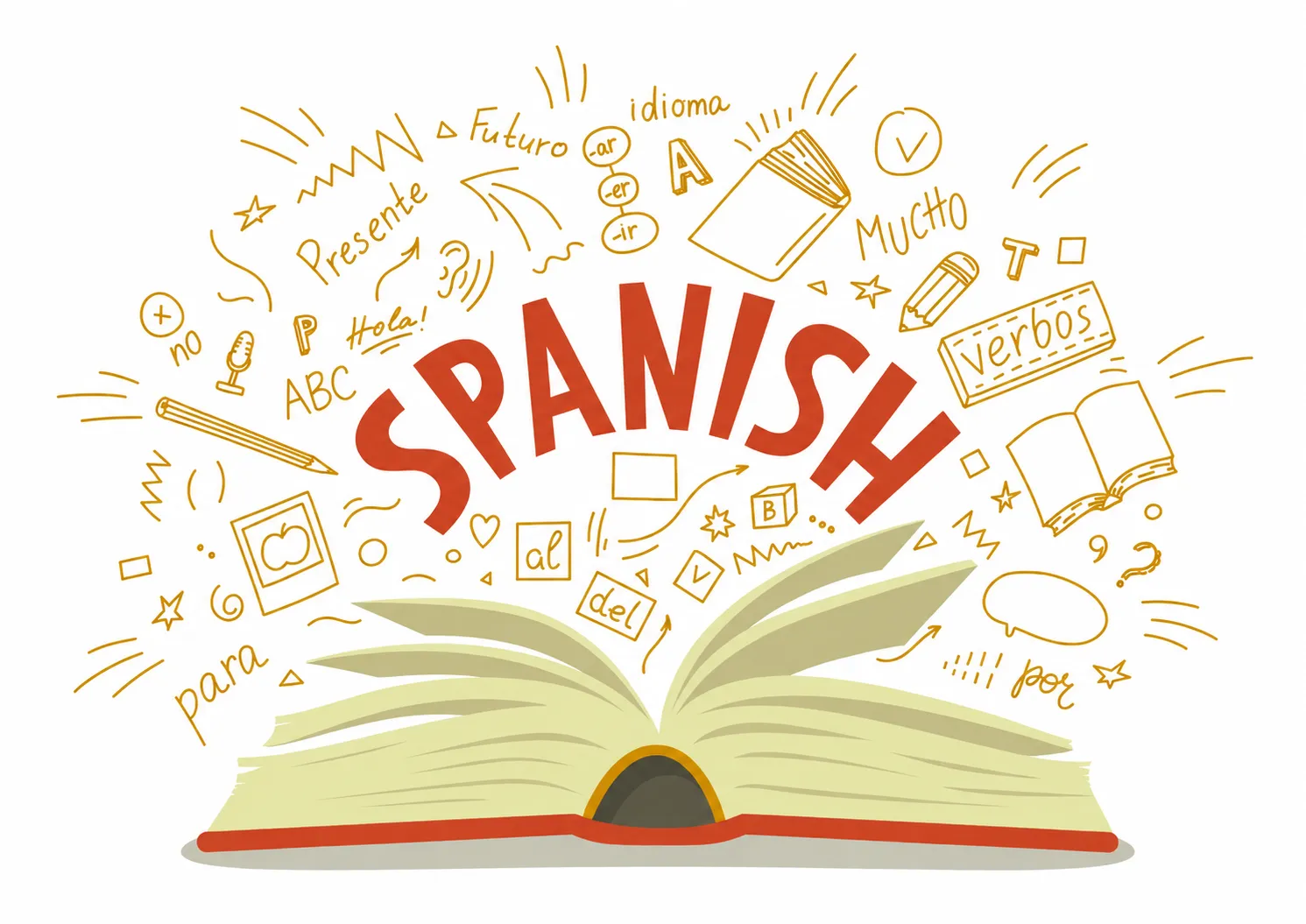

Learning Spanish has become a valuable investment for students, professionals, and travelers who want to communicate with millions of people around the world. Whether your goal is career advancement, higher education, or cultural exploration, understanding spanish levels helps you build a structured learning path. Instead of trying to master everything at once, learners progress through internationally recognized stages that gradually improve vocabulary, grammar, listening, speaking, reading, and writing skills.
Every learner starts with different abilities, but a well-planned language program ensures steady progress. Knowing the purpose of each level helps students set realistic goals and measure improvement over time. Rather than focusing only on memorizing words, learners develop the confidence to use Spanish naturally in real-life situations.
The internationally accepted framework for spanish levels is based on the Common European Framework of Reference (CEFR). These levels include A1, A2, B1, B2, C1, and C2. Each stage reflects a learner's ability to communicate in increasingly complex situations.
At the beginner stage, students learn essential greetings, introductions, numbers, everyday vocabulary, and simple sentence structures. This foundation enables learners to participate in basic conversations and understand common expressions used in daily life. As students become comfortable with these basics, they gradually move toward intermediate communication.
Intermediate learners begin expressing opinions, discussing experiences, understanding longer conversations, and writing detailed messages. They gain greater confidence in handling practical situations such as traveling, attending meetings, or communicating with native speakers. This phase is often where learners notice significant improvement because they start thinking in Spanish instead of translating every sentence.
Advanced learners focus on fluency, accuracy, pronunciation, and cultural understanding. They can participate in professional discussions, understand academic materials, write formal documents, and communicate naturally in diverse environments. Achieving higher spanish levels opens opportunities in multinational companies, international education, translation, tourism, customer support, diplomacy, and global business.
Many learners struggle because they study without a clear roadmap. Random lessons and inconsistent practice often slow progress. A structured learning approach provides clear objectives at every stage and allows learners to concentrate on the skills required for the next level. This systematic progression makes language acquisition more effective and less overwhelming.
Joining a Spanish Fluency Course can significantly accelerate this journey. Such programs combine grammar, conversation practice, listening exercises, pronunciation training, vocabulary development, and interactive activities into one comprehensive curriculum. Regular speaking sessions also help learners overcome hesitation and build confidence in everyday communication.
Consistency remains one of the most important factors in language learning. Even thirty to sixty minutes of daily practice can produce better results than studying several hours only once a week. Reading Spanish articles, listening to podcasts, watching movies with subtitles, and speaking with language partners all contribute to long-term improvement. Small daily efforts eventually lead to remarkable fluency.
Technology has also transformed language education. Mobile applications, online classrooms, virtual tutors, interactive quizzes, and AI-powered learning platforms provide flexible opportunities to practice whenever convenient. These resources make learning engaging while allowing students to track their progress across different skills.
One of the biggest advantages of understanding spanish levels is setting achievable milestones. Instead of expecting immediate fluency, learners celebrate smaller accomplishments, such as introducing themselves confidently, holding short conversations, understanding Spanish news, or writing emails. These milestones maintain motivation throughout the learning process.
Pronunciation is another essential component of successful communication. Although Spanish pronunciation follows relatively consistent rules compared to many languages, mastering accents, rhythm, and natural speech requires continuous practice. Speaking regularly with instructors and native speakers improves clarity and confidence while reducing common pronunciation mistakes.
Professional learners often pursue Spanish because employers increasingly value multilingual employees. Industries such as healthcare, education, hospitality, aviation, customer service, international trade, and technology benefit from professionals who can communicate effectively with Spanish-speaking clients and colleagues. Reaching advanced spanish levels demonstrates dedication, communication ability, and global readiness.
Students preparing for international certification examinations also benefit from structured preparation. These exams evaluate listening, reading, writing, and speaking according to internationally recognized standards. Proper guidance ensures learners understand examination formats while strengthening overall language proficiency.
Enrolling in a Spanish Fluency Course provides expert instruction, personalized feedback, conversation practice, and performance assessments that independent learners may find difficult to achieve alone. Guided learning keeps students accountable and helps them overcome challenges more efficiently.
Learning Spanish is not simply about passing examinations or earning certificates. It is about developing the ability to connect with people, appreciate diverse cultures, explore international opportunities, and communicate confidently in real-world situations. Every lesson contributes to greater fluency, stronger confidence, and broader personal and professional possibilities.
Conclusion
Understanding spanish levels gives every learner a clear direction for success. By progressing step by step through internationally recognized stages, students build practical communication skills, confidence, and long-term fluency. Combining consistent practice with expert guidance through a Spanish Fluency Course creates a balanced learning experience that supports continuous improvement. Whether your goal is career growth, higher education, travel, or personal development, mastering spanish levels provides the foundation for communicating effectively in one of the world's most widely spoken languages.























Sign in to leave a comment.