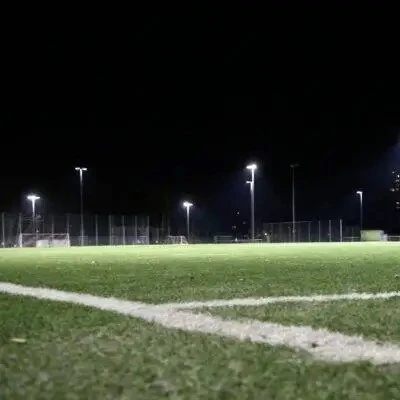

Evening matches have long been a staple of professional and amateur sports fixtures across the UK and around the world. The electrifying atmosphere under the lights, the cool evening air, and the convenience for working fans make them a prime time for broadcasters and spectators alike. However, what many fans may not realise is that behind this experience lies a complex framework of lighting standards that directly influence everything from player safety and broadcast quality to fan engagement and energy consumption.
In recent years, technological advancements in LED lighting have transformed stadium illumination, raising questions about compliance, consistency, and quality across different levels of competitions. Organisations and clubs must now weigh the technical, regulatory, and financial implications of upgrading and maintaining their lighting systems. One notable example of innovation in the space is the development of Velo led sports lighting, which exemplifies how modern lighting solutions are meeting and exceeding current standards for sports venues.
Key Points
- Stadium lighting standards are governed by both national and international regulations to ensure safety, visibility, and broadcast quality.
- Poor lighting can affect player performance, fan experience, and even match outcomes.
- Technological advancements, particularly in LED lighting, have enabled more efficient, sustainable, and flexible lighting setups.
- Compliance with specific lighting levels is essential for hosting televised matches and events.
- Investment in proper stadium lighting can have long-term benefits for clubs and communities.
Understanding Stadium Lighting Standards
Who Sets the Standards?
In the UK, stadium lighting standards are primarily dictated by bodies such as the Football Association (FA), Rugby Football Union (RFU), and international organisations like FIFA and UEFA. These standards are often aligned with guidelines set by the European Standard EN 12193, which addresses lighting for sports facilities.
For televised matches, broadcasters like Sky Sports and the BBC also have minimum lighting requirements to ensure high-definition image clarity and consistency across screens.
Key Lighting Metrics
To understand how lighting affects games, it's important to grasp some of the key metrics involved:
- Lux Level: Measures the amount of light per square metre. Different levels are required for amateur vs. professional play.
- Uniformity: Ensures even lighting across the pitch. Poor uniformity can lead to darker spots, reducing visibility.
- Glare Control: Protects players’ and spectators’ eyes from harsh lighting.
- Colour Rendering Index (CRI): Reflects how accurately colours appear under artificial light. A CRI close to 100 is ideal for broadcast and fan perception.
Impacts of Lighting on Evening Matches
Player Performance and Safety
Insufficient or inconsistent lighting can significantly impact a player’s ability to see the ball, judge distances, and respond to rapid movements. For instance, a striker might misjudge a cross due to a shadowy area on the pitch, while a goalkeeper could be momentarily blinded by a poorly aimed spotlight.
Quality of Broadcast
Modern sports broadcasting relies on high-definition and ultra-high-definition cameras that demand consistent, high-quality lighting. Any flicker, colour distortion, or uneven lighting can degrade the viewing experience. This is especially important for leagues with lucrative media deals, where poor coverage could lead to financial penalties or reduced viewer satisfaction.
Fan Engagement and Experience
From a spectator’s perspective, both in-stadium and at home, lighting plays a pivotal role in ambience. Strategic lighting can enhance the drama of the game and improve visibility, making for a more immersive experience. Stadiums with high-quality LED systems can also implement dynamic lighting shows that boost fan engagement before, during, and after matches.
Technological Advancements in Sports Lighting
The Rise of LED Technology
Traditional metal halide and high-pressure sodium lights are increasingly being replaced with LED systems due to their superior efficiency, longevity, and adaptability. LEDs offer instant on/off capabilities and better dimming control, which is useful for energy management and show lighting.
Solutions like Velo led sports lighting are at the forefront of this transformation, offering systems that meet stringent standards while reducing long-term maintenance and operational costs.
Smart Lighting Systems
Newer stadiums are being outfitted with smart control systems that allow for granular control over lighting zones, intensity, and colour temperature. These systems can automatically adjust based on ambient lighting conditions, time of day, or specific match requirements.
Regulatory and Compliance Considerations
Compliance with League Requirements
Clubs at different tiers of competition face varying levels of scrutiny when it comes to stadium lighting compliance. For instance, Premier League clubs must meet higher thresholds than those in League Two or the National League. Non-compliance can result in fines, match relocations, or denial of eligibility for televised matches.
Health and Safety Regulations
Lighting also plays a key role in meeting broader health and safety standards. Adequate illumination must be provided for safe ingress and egress of spectators, especially in emergency situations. Poor lighting in stands, concourses, or walkways could lead to accidents and legal liabilities.
Environmental and Financial Implications
Energy Consumption
Older lighting systems are not only less effective but also more energy-intensive. Upgrading to LED solutions can reduce electricity usage by up to 70%, aligning with the UK government’s goals for reducing carbon emissions in sports infrastructure.
Long-Term Cost Savings
While the upfront cost of installing a compliant LED lighting system can be significant, the reduction in maintenance, energy bills, and the potential for increased revenue from televised matches can make it a worthwhile investment. For many smaller clubs, grants and funding support are available to assist with these upgrades.
Case Studies: Lessons from UK Clubs
Premier League Clubs
Clubs like Arsenal and Tottenham have invested heavily in state-of-the-art lighting systems, incorporating both performance-focused lighting and entertainment features. These investments help meet the demands of domestic and European competitions while enhancing the fan experience.
Lower-League and Community Grounds
Smaller clubs, such as those in the National League, have taken a phased approach, upgrading lighting systems over time to meet evolving standards. Some have partnered with local councils or private firms to fund these initiatives, ensuring compliance without compromising financial stability.
Practical Considerations for Stadium Operators
Conducting a Lighting Audit
The first step in any lighting upgrade is a formal audit. This involves assessing current lux levels, uniformity rates, energy usage, and compliance with relevant standards. Such audits often highlight areas for immediate improvement and help in planning long-term investments.
Choosing the Right Partner
Working with experienced installers and suppliers is crucial. Providers with expertise in sports lighting will ensure systems meet governing body standards and are adaptable for future upgrades.
Future-Proofing Investments
As technology and regulations evolve, it's essential to choose lighting systems that can be scaled or upgraded. Modular LED systems and smart controls offer the flexibility needed to stay compliant and competitive.
FAQs
What is the minimum lighting standard for evening football matches in the UK?
This varies by competition level. For example, UEFA recommends minimum average illuminance levels of 1,400 lux for Champions League matches, while non-league matches may require as little as 200 lux. The FA provides detailed guidelines based on league tier.
How does poor lighting affect match outcomes?
Poor lighting can lead to decreased visual acuity for players, increasing the risk of errors, injuries, and unfair play. It can also affect referees' decision-making and broadcast clarity.
Why are LED lights preferred over traditional systems?
LEDs offer numerous benefits including energy efficiency, instant start-up, longer lifespan, and better control over brightness and direction. They are also more environmentally friendly.
How often should stadium lighting be inspected?
It's recommended that lighting systems undergo a thorough inspection at least once a year, with more frequent checks during the competitive season. This ensures early detection of faults and maintains compliance.
Can older stadiums be retrofitted with modern lighting systems?
Yes, many modern LED systems are designed for retrofitting. A proper lighting audit will help determine what infrastructure can be reused and what must be replaced.
Are there financial incentives for upgrading to LED lighting?
In many cases, yes. Clubs may be eligible for government grants, local council funding, or energy-efficiency incentives. Some manufacturers also offer financing plans to spread the cost of installation.
What role does lighting play in fan experience?
Lighting affects visibility, ambiance, and safety. Well-designed systems enhance the overall experience, support dynamic light shows, and create a more engaging atmosphere.























Sign in to leave a comment.