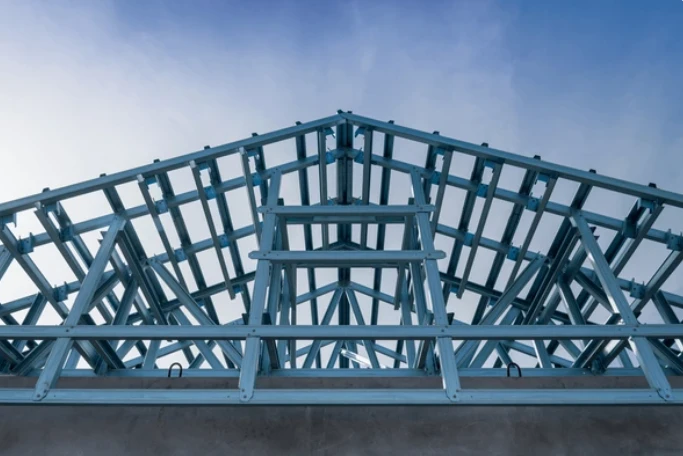

Steel detailing is a critical phase in construction projects, especially for large-scale developments where precision, coordination, and structural integrity are paramount. Steel detailing services connect the dots between design and construction, providing the accurate drawings and instructions needed for efficient fabrication and assembly. In this post, we explore how steel detailing influences large construction projects and why it’s essential to partner with skilled structural consultants and detailers for seamless project execution.
Understanding Steel Detailing in Construction
Steel detailing services involves the creation of highly accurate drawings, models, and specifications for steel components used in construction. These plans guide fabricators and builders, ensuring each steel component fits precisely within the structure.
Key Aspects of Steel Detailing Services:
- Shop drawings for fabricators
- Erection plans for on-site construction teams
- Connection details for structural integrity
When these details are precisely crafted, they minimize errors, reduce costs, and prevent costly rework.
The Role of Structural Consultants in Steel Detailing
Structural consultants play an essential role in steel detailing by offering expertise in load calculations, design standards, and material specifications. They ensure that the steel detailing aligns with the overall structural integrity of the project.
- Load-bearing analysis: Ensures that steel components support necessary weights without failure.
- Code compliance: Verifies that the design meets local building codes and safety standards.
- Optimization advice: Suggests design modifications to reduce costs without compromising safety.
Structural consultants bridge the gap between the architectural vision and practical construction requirements, making them essential partners in large-scale construction projects.
Benefits of Steel Detailing Services for Large-Scale Construction Projects
Steel detailing services provide several significant advantages in large-scale construction, improving efficiency, safety, and overall project success. Let’s explore these benefits in more detail:
a. Enhanced Project Accuracy
Detailed, accurate steel drawings ensure that each component fits perfectly on the first try, reducing the risk of errors that could delay the project.
- Precision in fabrication: Drawings specify exact measurements, ensuring components are fabricated to fit precisely.
- Seamless assembly: Erection drawings make it easy for on-site teams to place each component in the right location.
b. Time and Cost Savings
Errors in large-scale construction are costly and time-consuming to correct. Steel detailing minimizes these issues, keeping the project on schedule and within budget.
- Reduced rework: Accurate drawings eliminate the need for modifications after fabrication.
- Streamlined production: Steel components are fabricated faster with precise instructions, speeding up the project timeline.
c. Improved Structural Integrity
The expertise of structural consultants ensures that the steel detailing aligns with load requirements, making the structure safer and more durable.
- Connection details: Specify how components fit together, ensuring the stability of the structure.
- Load-bearing calculations: Confirm that components are designed to handle expected weights and forces.
d. Enhanced Collaboration Across Teams
Steel detailing services foster better communication and collaboration between architects, structural engineers, and construction teams, creating a cohesive project environment.
- Clear instructions: Steel detailing drawings provide clear guidance for all stakeholders.
- Early issue detection: Problems are identified during the detailing stage, allowing teams to address them before they impact construction.
How Structural Engineers and Detailers Work Together
Structural engineers and steel detailers must work closely to produce designs that meet safety standards and client expectations. Here’s how they collaborate:
- Design review: Structural engineers review the initial design, ensuring it’s feasible.
- Load analysis: Engineers assess the load-bearing requirements and advise detailers on connection designs.
- Final checks: Once the detailing is complete, structural engineers verify that all components align with structural needs and codes.
This partnership ensures that the design-to-construction process is smooth and that each phase builds upon the previous one effectively.
The Importance of Technology in Steel Detailing
Technology, such as Building Information Modeling (BIM) and 3D modeling, has revolutionized steel detailing, making it more efficient and accurate.
Technological Tools Commonly Used in Steel Detailing:
- 3D Modeling software: Allows detailers to create precise virtual models of steel components.
- BIM integration: Facilitates seamless collaboration with other stakeholders, reducing misunderstandings and delays.
- Automated drawings and reports: Speed up the detailing process and reduce human error.
With advanced software, steel detailers can visualize the project in its entirety, making it easier to spot potential issues before they become costly mistakes.
Common Challenges in Steel Detailing for Large-Scale Projects
While steel detailing is beneficial, it also presents challenges, especially in large-scale projects. These issues include:
a. Design Complexity
Larger projects often involve complex designs that require more detailed work, demanding the skills of experienced structural consultants and detailers.
- Solution: Partnering with highly experienced professionals who have a track record of managing large projects.
b. Coordination Between Multiple Teams
With many teams involved in a large-scale project, it’s crucial to maintain effective communication to avoid costly errors.
- Solution: Use collaborative platforms and tools to keep all teams on the same page.
c. Stringent Quality Standards
Large projects must adhere to strict quality and safety standards, which requires thorough quality checks at every stage.
- Solution: Hiring detailers who prioritize quality assurance in structural engineering and follow meticulous protocols.
Choosing the Right Steel Detailing Services Provider
Selecting a steel detailing services provider can make a substantial difference in the success of a large-scale project. Here’s what to look for in a provider:
- Experience with large projects: Ensure they have a portfolio of handling projects of similar size and complexity.
- Advanced technology usage: Providers that use BIM, 3D modeling, and other advanced tools are likely to deliver higher-quality work.
- Strong references and client feedback: Seek testimonials or reviews from previous clients to assess their reliability and performance.
By choosing a provider with the right skills and technology, you can ensure that the steel detailing process contributes positively to your project’s timeline, budget, and quality standards.
Conclusion
In large-scale construction projects, steel detailing services play a vital role in ensuring that each component fits perfectly, project timelines are met, and safety standards are upheld. From enhancing accuracy and reducing costs to ensuring structural integrity, these services offer numerous benefits. Partnering with experienced structural consultants and skilled detailers will streamline the project’s workflow and provide peace of mind. As construction projects grow in size and complexity, the importance of steel detailing in achieving successful, safe, and efficient outcomes cannot be overstated.


























Sign in to leave a comment.