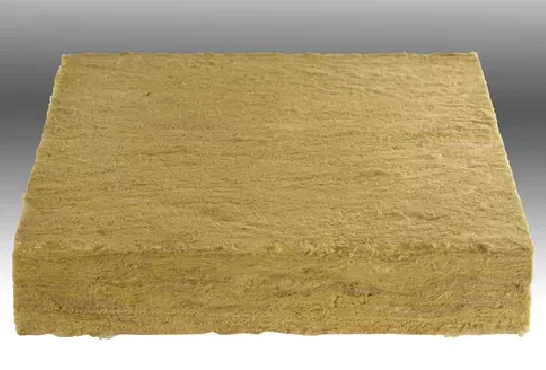

Stone wool, also called rock wool or mineral wool, comes from melted rock and minerals mixed with steel slag. This amazing material gets heated in a special furnace called a cupola and then spun into soft fibers. The whole process uses 70% natural materials like basalt and dolomite rocks to create something that keeps buildings safe from fire, noise, and heat loss.
What Makes Stone Wool So Special?
Stone wool looks a bit like cotton, but it's actually made from rocks that have been melted and spun into fibers. Builders love using it inside walls, roofs, and floors because it keeps buildings comfortable all year round. When winter comes, it keeps the warmth inside. During hot summer days, it keeps the cool air from escaping.
What's really interesting is how long this material lasts. While other insulation materials might lose their power over time, rock wool in UAE stays strong for decades. It doesn't soak up water like a sponge, and even when things get really hot, it won't melt or catch fire.
The Raw Materials Used in Stone Wool Production
The story of stone wool begins with rocks from the earth. About 70% of what goes into making stone wool comes from basalt rock. This tough, volcanic rock can be found in many places around the world. Another important ingredient is dolomite, which adds extra strength to the final product.
Steel slag plays a crucial role too. Instead of throwing away this leftover material from steel factories, smart manufacturers use it to make stone wool even stronger and more durable. It's like recycling, but for building materials.
Sometimes makers add small amounts of limestone and recycled glass to make the quality even better. Everything gets carefully measured and mixed together before the real magic begins.
How Rock Wools are Made
Step 1: Preparing the Raw Materials
Workers start by collecting and cleaning all the rocks and minerals. Those hard basalt and dolomite rocks get crushed into small pieces using powerful machines. Think of it like breaking up ice cubes, but much harder and on a much bigger scale.
The steel slag also gets cleaned up to remove anything that shouldn't be there. Then everything gets mixed together in just the right amounts. Getting this mixture perfect is like following a recipe - too much of one ingredient and the whole thing won't work properly.
Step 2: The Melting Process
Here's where things get really hot. The mixture goes into a cupola furnace that reaches temperatures of 1500 degrees Celsius. That's about three times hotter than your home oven can get! This extreme heat melts all those rocks and minerals into a liquid that looks like lava flowing from a volcano.
The melting takes several hours, and skilled workers watch the temperature like hawks. If it gets too cool, the rocks won't melt completely. If it gets too hot, the quality suffers. It's all about finding that perfect balance.
Step 3: Spinning the Fibers
Once everything is completely melted, the hot liquid rock gets poured onto spinning wheels or drums. These wheels spin incredibly fast, throwing the liquid rock outward and creating thin fibers. Picture making cotton candy at a fair, but instead of sugar, imagine using melted rock.
The spinning force stretches that liquid rock into long, thin strands. It's actually quite beautiful to watch, though you'd need special protective gear because of the intense heat.
Step 4: Creating the Stone Wool Blanket
Those hot fibers get collected on a moving belt where they form a thick blanket of stone wool. At this point, workers spray a small amount of binding agent onto the fibers to help them stick together nicely.
The stone wool blanket then travels through rollers that press it to exactly the right thickness. Different construction projects need different thicknesses, so this step can be adjusted based on what customers need.
Step 5: Curing and Finishing
The stone wool goes through one more heating process in a curing oven at about 200 degrees Celsius. This makes the binding agent hard and gives the stone wool its final strength and shape. It's like baking bread - the heat makes everything come together perfectly.
After cooling down, the stone wool gets cut into whatever sizes people need. It can become boards, rolls, or special shapes depending on how builders plan to use it.
Why Stone Wool Works So Well
Incredible Strength
Stone wool or rock wool in UAE is surprisingly tough. It doesn't break or crumble easily when people handle it. When installed vertically in walls, it can support its own weight and keeps its shape for many years. This strength comes from how all those rock fibers are arranged and stuck together.
Moisture Resistance
Water has a hard time soaking into stone wool because of its clever structure. Even if some water does manage to get in, it drains out quickly without causing any damage. This feature becomes really important in places with lots of humidity or where small leaks might happen.
Thermal Insulation Performance
Stone wool traps air between its fibers, which stops heat from moving through it. This means buildings stay comfortable without using too much energy for heating and cooling. People end up saving money on their electricity bills while staying comfortable.
Acoustic Insulation
The fiber structure doesn't just stop heat - it also soaks up sound waves, making rooms much quieter. This becomes especially valuable in offices, schools, and homes where people want peace and quiet.
Superior Fire Protection
Since stone wool comes from rock, it simply cannot burn. It can handle temperatures up to 1000 degrees Celsius without any problems. This makes it perfect for keeping buildings safe from fire.
Applications and Uses
Stone wool finds its way into all kinds of buildings and construction projects. Builders commonly install it in walls, roofs, and floors of houses, offices, and factories. It also gets wrapped around pipes and ducts to prevent heat loss and reduce noise.
In hot climates, rock wool in UAE has become extremely popular because of the intense heat and the need for energy-efficient buildings. Many construction companies prefer stone wool in UAE because it performs exceptionally well in challenging weather conditions and meets tough international building standards.
Common Questions People Ask
Q: How long does stone wool last in buildings?
Stone wool can last for 50 years or more without losing its insulation properties. It doesn't settle or break down over time like some other insulation materials.
Q: Is stone wool safe to handle and install? Y
es, stone wool is safe when proper safety equipment is used. Workers should wear gloves and masks during installation to avoid skin irritation and dust inhalation.
Q: Can stone wool be recycled after use?
Stone wool can be recycled and reused in new products. Some manufacturers accept old stone wool and incorporate it into new production batches.
Q: What is the difference between stone wool and glass wool?
Stone wool is made from rock and can handle higher temperatures than glass wool. It also has better moisture resistance and fire protection properties.
Q: How much does stone wool cost compared to other insulation materials?
While stone wool may cost more initially, its superior performance and long lifespan make it cost-effective in the long run through energy savings and durability.
Get the Perfect Stone Wool Solution
Stone wool delivers unmatched performance in keeping buildings comfortable, safe from fire, and quiet from noise. Whether someone is building a new home, renovating an office, or constructing an industrial facility, stone wool provides reliable and long-lasting protection.
Unigroup specializes in providing high-quality rock wool solutions in UAE designed for specific needs. Our team of experts helps customers choose exactly the right type and thickness of stone wool in UAE for each project, ensuring the best performance and compliance with local building codes.
Reach out to Unigroup today to discover more about our rock wool products in UAE and how we can benefit any construction project. Our experienced professionals stand ready to provide technical support and guidance to help achieve outstanding results with superior insulation performance.


























Sign in to leave a comment.