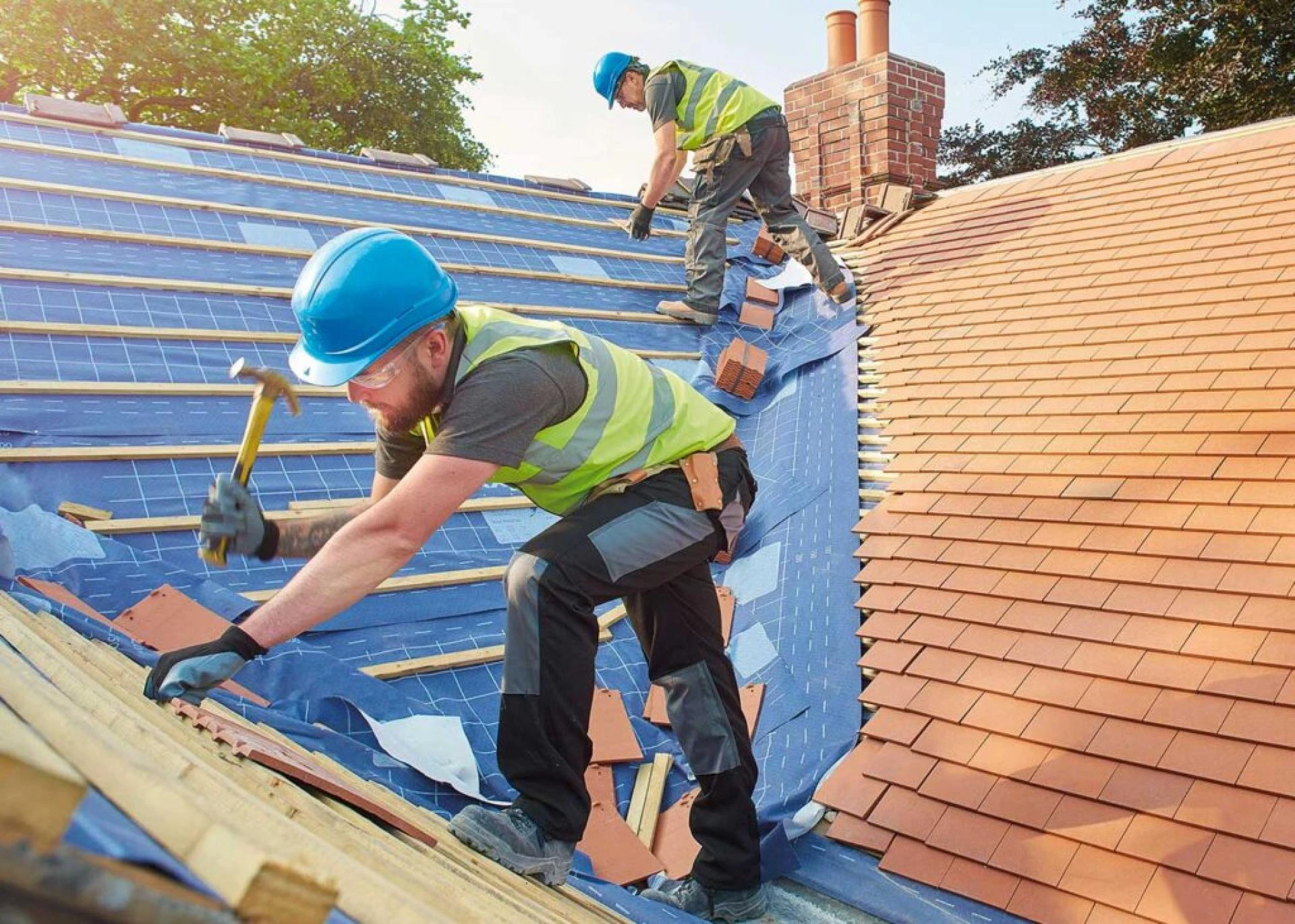

Storms can feel loud and scary. Rain falls hard. The wind blows fast. Trees shake. Then the storm goes away. The sky turns blue again. Everything feels calm. Still, roofs can stay damaged even after the storm ends. Problems hide up there. Roofing contractors in Vancouver, WA often find roof damage days or even months later. Learning how storms hurt roofs helps keep homes safe and dry.
Storms Can Hurt Roofs in Quiet Ways
Storm damage does not always look big. Shingles may move a little. Nails may loosen. Small cracks can form. From the ground, the roof looks fine. Over time, these tiny problems grow. Water sneaks in. Wood gets wet. Damage spreads slowly. Checking the roof early helps stop trouble before it grows.
Wind Can Lift and Drop Shingles
Strong wind acts like a giant hand. It lifts shingles up. Sometimes they fall back down and look normal. Underneath, seals break. Nails pop out. Later, rain finds these weak spots. Water leaks inside. Stains show on ceilings. Walls feel damp. Wind damage often hides until the next storm hits.
Rain Finds Tiny Gaps
Heavy rain looks for openings. Flashing around chimneys and vents gets tested first. Small gaps grow bigger during storms. Water slips inside the walls. It soaks insulation. Mold can start to grow. Bad smells appear. By the time people notice stains, damage may already be serious inside.
Hail Leaves Small Marks With Big Impact
Hail looks like ice balls falling from the sky. It hits roofs hard. Shingles get dents. Tiny stones knock off small pieces called granules. Granules protect shingles from the sun. When they fall off, the roof ages faster. Shingles crack sooner. A roof may need fixing earlier than expected.
Falling Branches Cause Hidden Harm
Storms break tree branches. Some land gently. Others fall with force. Even small branches can crack shingles. Leaves and twigs also clog gutters. Water cannot flow away. It backs up under the roof edge. Wood stays wet. Rot begins slowly and quietly.
Why Roof Problems Show Up Later
Storm damage likes to hide. It does not always show right away. Weather changes make cracks grow. Hot days expand materials. Cold nights shrink them. Rain returns and uses the same weak spots. Each storm adds more damage. Waiting makes repairs harder and more costly.
Signs People Often Miss
Some roof problems show clues inside the home. These signs are easy to miss but important to notice.
- Shingles look crooked or bumpy
- Little rocks show up in gutters
- Paint peels near the ceiling
- The attic smells wet or musty
Seeing these signs means help is needed soon.
Waiting Makes Repairs Cost More
Small repairs cost less money. Waiting lets damage grow. Water spreads. Mold grows. Wood weakens. Big repairs cost more time and money. Insurance claims may also get harder later. Fixing problems early saves stress and keeps homes safer.
Why Roof Checks Matter After Storms
Roof checks find hidden damage. Trained workers know where storms hit hardest. They look closely at seams and edges. Special tools find wet spots. Safe gear helps them walk on roofs without harm. Clear reports explain what needs fixing and why.
The Right Time to Act
Some people wait because the weather feels fine. Dry days can fool homeowners. Damage still sits there. Checking roofs soon after storms helps stop leaks early. Small fixes protect the whole roof. Peace of mind returns faster.
Repair or Replace: What Is Best?
Not every storm ruins a whole roof. Some damage stays small. Simple repairs fix the issue. Experts look at the roof age and damage size. Honest advice helps families choose wisely. Smart repairs can add years to roof life.
Local Weather Matters a Lot
Every place has different storms. Wind paths. Rain levels. Seasonal weather changes. Professionals who work with roofing contractors understand local weather patterns. They know where damage often happens. This helps them fix roofs the right way.
Why Fixing Roofs Alone Is Risky
Climbing roofs can be dangerous. Spotting hidden damage feels hard. Fixing only what is seen may miss deeper problems. Professional Roof repair in Vancouver, WA, uses the right tools and materials. Repairs last longer. Safety stays high. Good work helps roofs stay strong through future storms.
How to Help Protect Roofs Next Time
Some steps lower the storm damage risk. Regular checks help. Clean gutters let water flow away. Sealing edges and flashing adds strength. Trimming trees reduces falling branches. Small steps make a big difference.
Why Early Repairs Help Homes Last
Fixing damage early protects the home frame. Walls stay dry. Air inside stays clean. Energy bills stay lower. Roofs last longer. Homes keep their value. Buyers feel confident when roofs show good care.
Final Thoughts
Storms may leave fast, but roof damage can stay hidden. Waiting lets small problems grow bigger. Early checks and quick fixes keep homes safe and dry. Working with skilled Roof repair experts helps catch damage before it spreads. Smart care after storms saves money, time, and worry. Even when the sky clears, taking care of the roof keeps homes ready for the next storm.

Sign in to leave a comment.