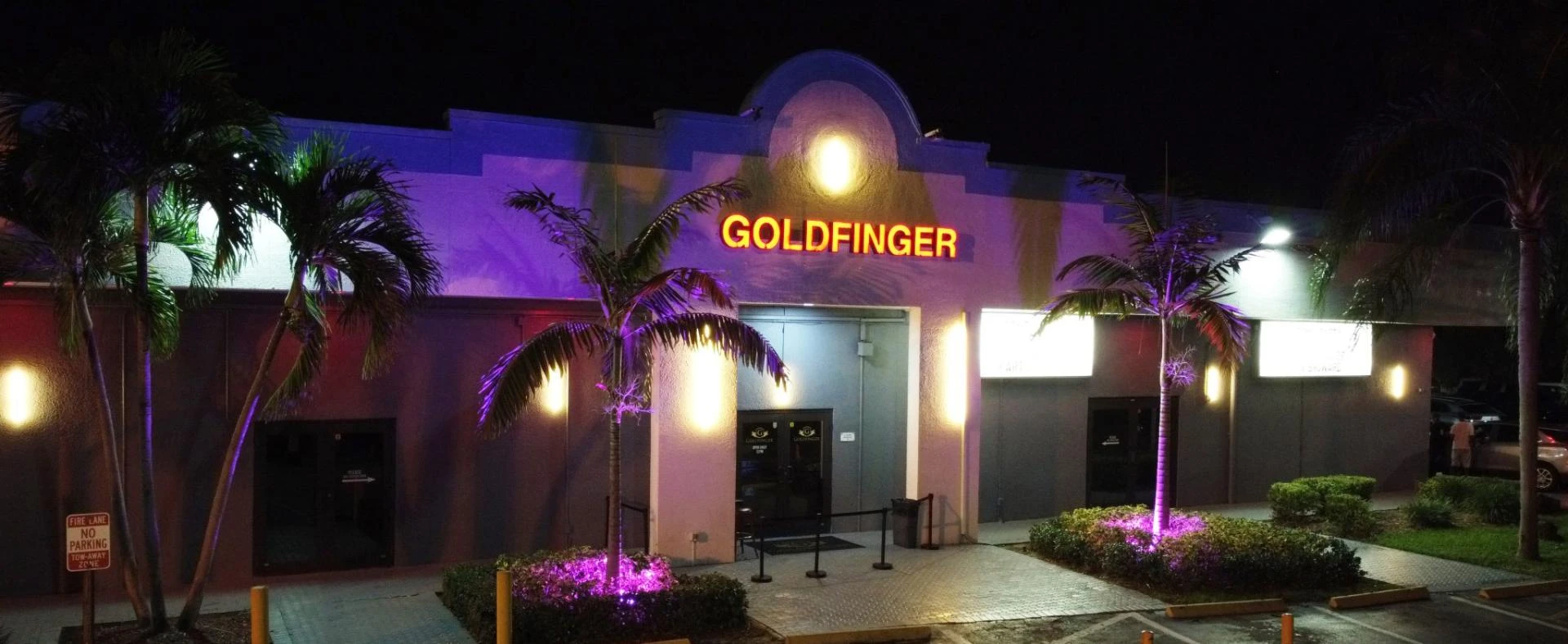

Strip clubs have come a long way from their early beginnings. Once seen as underground or taboo, they have now become more mainstream, luxurious, and diverse in offerings. Today’s strip club is a blend of upscale entertainment, fine dining, and premium hospitality. Understanding this evolution gives a deeper appreciation of how these venues have adapted to changing cultural norms and guest expectations.
The Early Days of Strip Clubs
Strip clubs originated from burlesque theaters, where sensual performances were paired with comedy and music. These venues were more about teasing than revealing and were often associated with artistic expression. As time went on, burlesque evolved into more explicit performances, giving birth to the modern strip club concept. By the 1970s and 80s, strip clubs began to grow rapidly across the U.S., attracting a wide range of clientele.
Shift Toward Luxury and Hospitality
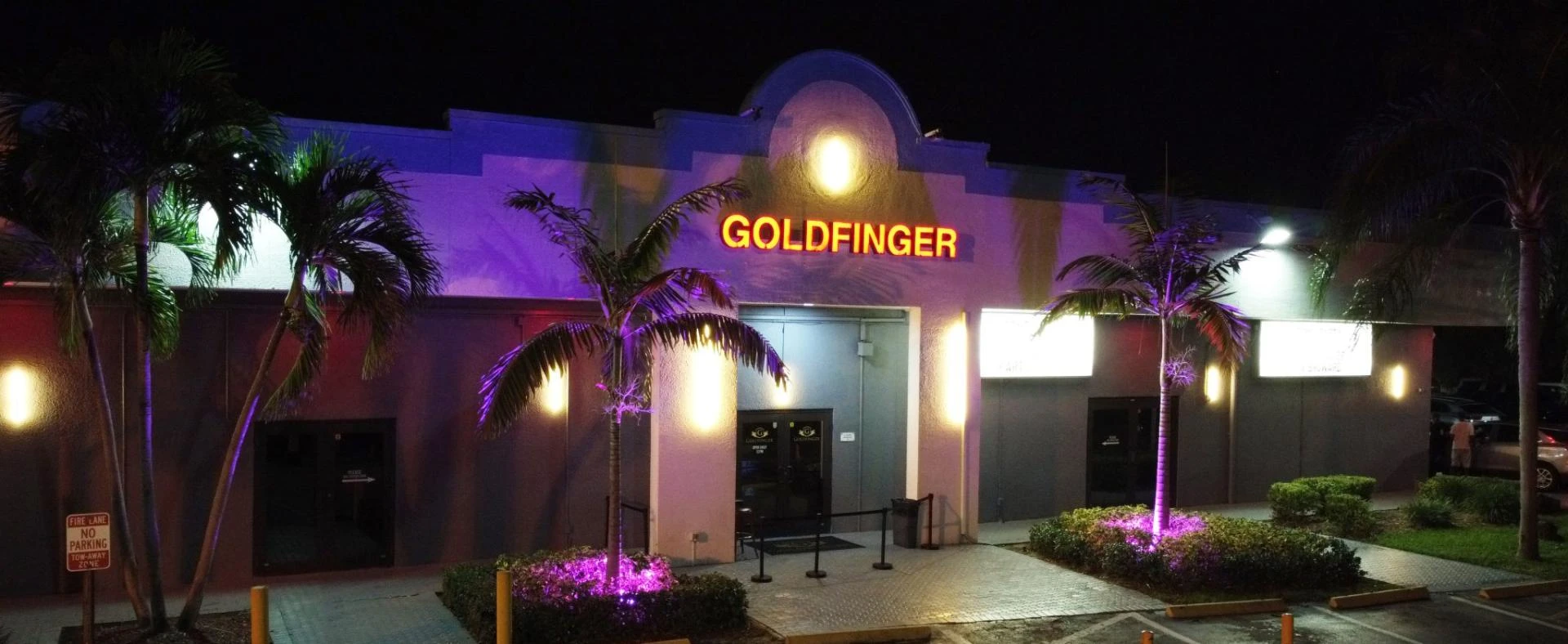
In the 1990s and early 2000s, strip club began reinventing themselves. No longer just smoky, dim-lit venues, many clubs transitioned into full-scale entertainment complexes. High-end furniture, mood lighting, top-shelf liquor, and gourmet food became part of the experience. This shift helped attract a more diverse crowd, including professionals, couples, and international tourists.
Technology and Entertainment Enhancements
Modern strip clubs use advanced technology to enhance the experience. From high-quality sound systems and LED light displays to cashless tipping options and app-based reservations, the industry has embraced digital innovation. Some clubs also stream live performances online or offer VIP memberships through their apps, catering to a tech-savvy audience.
Diversified Clientele and Inclusive Culture
Another major evolution in the strip club scene is its broadened appeal. Many clubs now welcome women and couples, and some host events like ladies’ nights, couple’s packages, or LGBTQ+ nights. This inclusive approach has opened the door to more patrons, breaking the stereotype that strip clubs are only for a specific kind of guest.
Focus on Professionalism and Safety
With growth comes responsibility, and many clubs have invested in better training, safety protocols, and performer support. Dancers are now seen as professional entertainers, and clubs often provide dressing rooms, security, and legal protections. This shift has elevated the perception of strip clubs as legitimate businesses that operate within ethical boundaries.
VIP Experiences and Custom Packages
To meet rising expectations, strip clubs now offer tailored experiences. VIP areas come with plush seating, bottle service, and exclusive access to top performers. Clubs also create customized packages for events such as bachelor and bachelorette parties, birthday celebrations, or corporate outings, often including transportation and private shows.
Entertainment Beyond the Stage
Today’s strip club is often part of a broader entertainment venue. Some clubs host stand-up comedy, live music, theme nights, dance contests, and celebrity appearances. This added variety keeps things fresh and ensures that there’s something for everyone, not just traditional stage performances.
Conclusion
The strip club industry has matured significantly over the past few decades. It has embraced sophistication, inclusivity, and technological advancement, creating a much richer and more refined experience for guests. Whether you're a first-timer or a regular, today’s strip club offers more than entertainment—it offers a curated, comfortable, and memorable night out that caters to a wide range of tastes and preferences.
























Sign in to leave a comment.