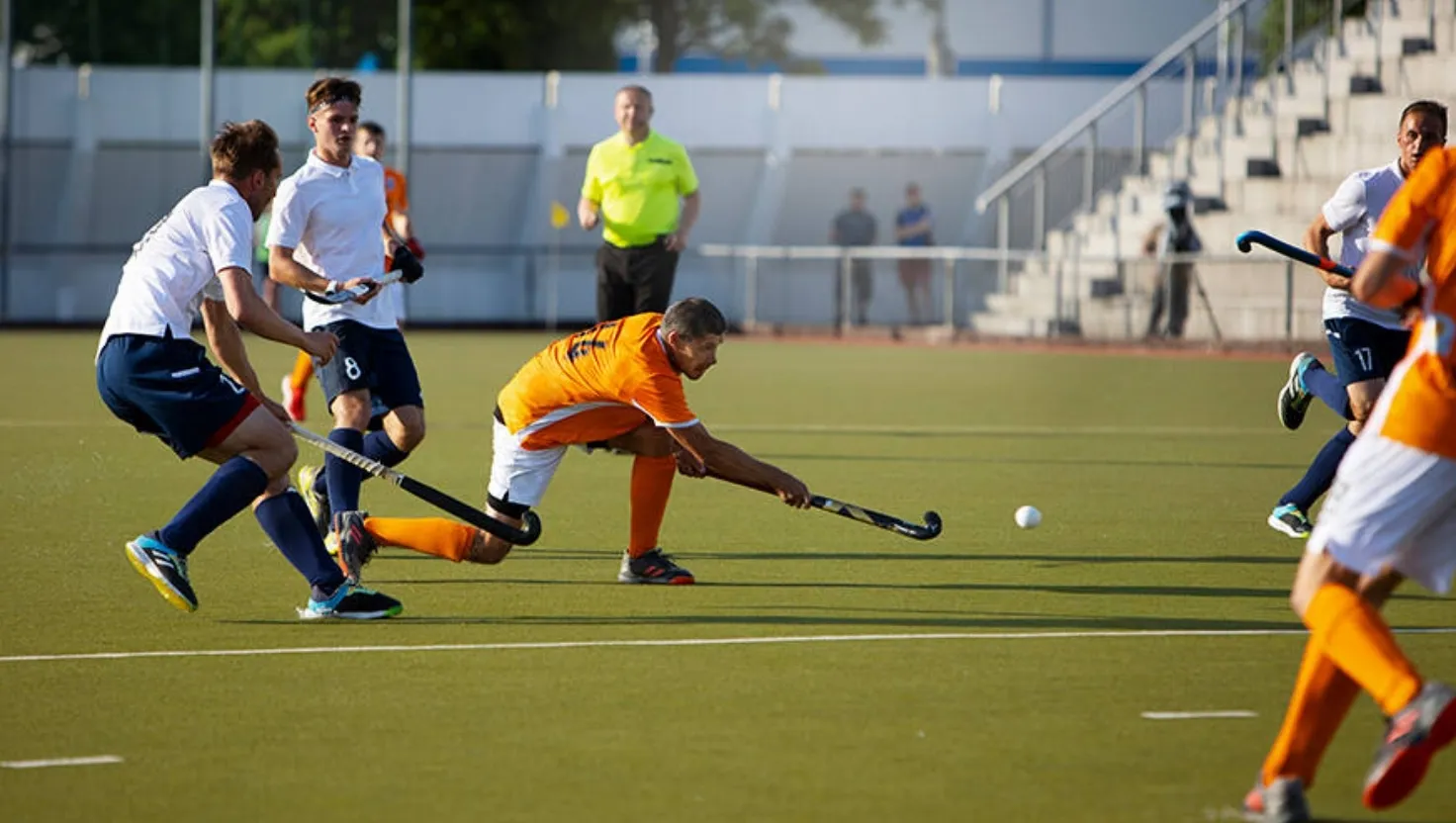

There’s a moment players don’t really plan for, but they remember it anyway. Same drill, same stick, same effort, but something feels different. The ball moves faster, yes, but more than that, it behaves properly. It goes where you expect it to go.
That usually happens the first time you play on Artificial hockey turf. It doesn’t feel like a huge change in the first few minutes. You just notice fewer interruptions. Then slowly, you realize, you’re not adjusting anymore. The surface isn’t forcing you to react. And that’s where the real difference begins. Not in speed, but in how little you have to think about the ground beneath you.
What Traditional Fields Never Quite Got Right
Natural grass always had character, but that character came with problems. You could never fully trust it. Some areas felt smoother, some slightly rough, some slower without any clear reason. Players adjust without realizing it. They slow down a pass slightly. They lift the stick a bit more. They hesitate before turning. None of this is planned, it just happens.
Over time, that becomes normal. You stop expecting consistency. Then you step onto Synthetic Hockey Turf, and suddenly those small adjustments disappear. Not instantly, but gradually. The surface behaves the same way across the field, and that changes how you approach every move.
The First Real Difference: Ball Speed and Control
People usually talk about speed first, and yes, the ball does move faster. But that’s not what stands out after a while. What really changes is control. On a proper Hockey pitch surface, the ball doesn’t surprise you. It doesn’t slow down randomly or bounce slightly off-line. It stays consistent. That consistency makes passing easier, but more importantly, it makes players more confident.
You stop correcting your own play mid-action. You trust it. And when that trust builds, the game starts flowing naturally.
Why Consistency Matters More Than Speed
Speed is easy to notice. Consistency takes a little longer to understand. When players know exactly how the surface will respond, they stop overthinking. Movements become cleaner, not because players suddenly improved, but because the surface stopped interfering.
On a High-performance hockey turf, this becomes obvious during longer sessions. Fatigue feels different. Not lighter, but more controlled. You’re not wasting energy adjusting to the field. That’s the difference. The surface doesn’t make you better, it just stops making things harder.
The Hidden Impact on Player Movement
Most movement adjustments are invisible. You don’t feel them directly, but they’re always there on uneven fields. A slight shift in balance before turning. A small hesitation before accelerating. A constant awareness of where you’re stepping.
Remove that, and movement changes quietly. A stable Hockey pitch surface allows players to move without thinking about the ground. Turns feel smoother. Acceleration feels natural. There’s less correction, less hesitation. It doesn’t feel dramatic. It just feels easier.
Training Feels Different, And That Matters More Than Matches
Matches get attention, but training is where the real difference shows up. On inconsistent fields, drills behave differently every day. Coaches adjust. Players adapt. Progress becomes harder to measure because the environment keeps changing.
With Artificial hockey turf, training stabilizes. The same drill produces the same result. That sounds simple, but it changes everything.
Players improve faster because they’re working against a consistent baseline, not a changing surface. Coaches can focus on technique instead of compensating for conditions.
Maintenance vs Performance: What Actually Changes
Natural fields demand constant care. Even then, results vary. You can maintain them well and still end up with uneven performance. Synthetic surfaces don’t remove maintenance completely, but they shift it.
With Synthetic Hockey Turf, you’re not trying to fix daily inconsistencies. You’re maintaining long-term performance. That’s a different kind of effort, less reactive, more controlled. It doesn’t mean no work. It just means predictable results.
Weather Stops Controlling the Game
Weather has always been part of outdoor sports, but its impact isn’t always welcome. Rain changes speed. Heat changes surface feel. Humidity affects ball movement. These shifts can happen mid-game.
On a High-performance hockey turf, those changes are reduced. Not eliminated, but controlled. The surface stays more stable even when conditions change. That consistency allows the game to continue without constantly adapting to the environment.
A Few Changes That Show Up Over Time
The difference isn’t always immediate. Some things become clear only after repeated use.
- Players rely less on surface adjustment
- Passing accuracy improves naturally
- Training becomes more predictable
- Energy is used more efficiently
None of these feel dramatic on their own. But together, they change how the game is played.
How the Game Quietly Evolves
Over time, surfaces influence playing style. Faster, more reliable conditions lead to quicker decisions and sharper gameplay.
That’s why modern hockey looks different compared to earlier versions of the game. It’s not just about skill development. It’s also about the environment supporting that skill. Artificial hockey turf didn’t just improve fields. It changed expectations.
Final Thought: When You Stop Noticing the Surface
The best surface is the one you stop thinking about. You don’t notice it during a pass. You don’t question it during a turn. It just works in the background while you focus on the game.
That’s what well-built Artificial hockey turf from OSMS Turf is meant to do. Not stand out, not demand attention, just support performance consistently. If you’re considering upgrading a field, it helps to look beyond how it looks and focus on how it behaves over time. Because once the surface stops interfering, the game starts feeling the way it should.


























Sign in to leave a comment.