How Technology Is Improving Construction Documentation and Coordination

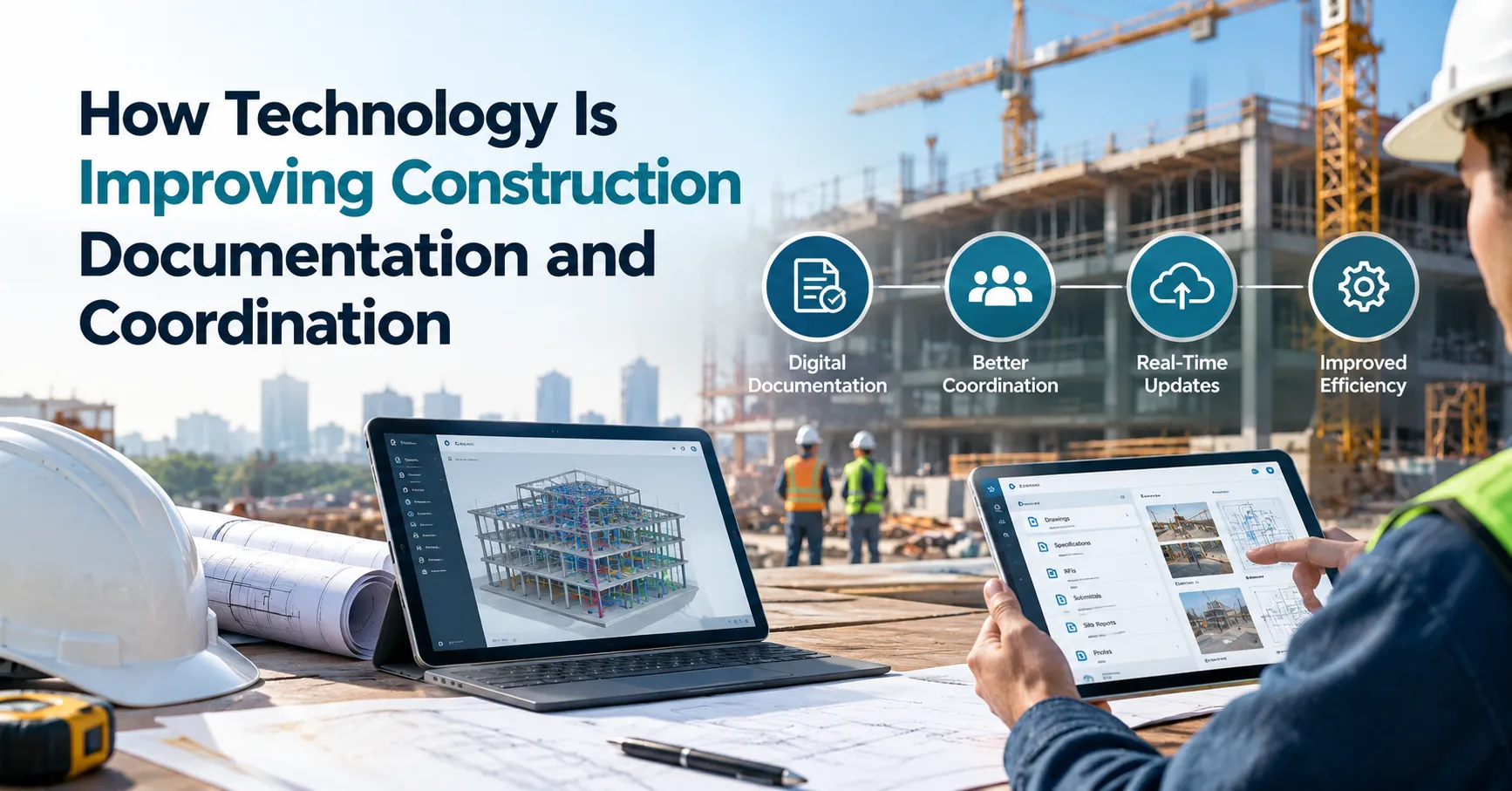
Construction projects involve multiple teams, technical drawings, schedules, specifications, and approvals. Managing this information accurately is essential for reducing errors and maintaining project timelines. With digital tools becoming more accessible, construction companies are transforming how they prepare, share, and update project documentation. Working with Bim engineers Chennai can help project teams use digital building models to improve information accuracy, identify design conflicts, and coordinate construction activities more effectively.
1. Digital Documentation Improves Information Accuracy
Traditional construction documentation often relies on separate drawings, spreadsheets, and manually updated records. This approach can create inconsistencies when project requirements change or multiple teams work with different document versions.
Digital documentation systems centralize project information, making it easier for authorized stakeholders to access current drawings, specifications, and project records. Teams can update information systematically and reduce the risk of relying on outdated documents.
Accurate documentation also supports better decision-making throughout the construction lifecycle. By maintaining organized records, project managers can track changes, verify requirements, and communicate instructions more clearly.
2. Building Information Modeling Enhances Coordination
Building Information Modeling (BIM) has become an important technology for improving collaboration across construction disciplines. Instead of relying exclusively on separate two-dimensional drawings, teams can use coordinated digital representations of a building.
BIM allows architects, structural engineers, and MEP professionals to review building components within a shared model. This helps them understand how different systems interact and identify potential conflicts before installation begins.
For example, a clash between an air-conditioning duct and a structural beam can be detected during design coordination. Resolving the issue digitally can reduce costly modifications and avoid unnecessary disruptions at the construction site.
3. Cloud Platforms Enable Real-Time Collaboration
Construction projects often involve stakeholders working from different offices and job sites. Sharing information through emails and separate storage systems can slow communication and make it difficult to identify the latest approved documents.
Cloud-based construction platforms provide a common location for storing and sharing project information. Authorized team members can review drawings, submit comments, access updates, and track revisions without depending entirely on physical documents.
These platforms also improve coordination between site engineers, contractors, consultants, and project managers. When everyone works with consistent information, teams can respond to issues faster and maintain better control over project activities.
4. Automated Workflows Reduce Manual Errors
Automation is helping construction teams manage repetitive documentation tasks more efficiently. Digital workflows can support drawing submissions, approval requests, inspection records, and issue tracking.
For example, automated notifications can alert responsible team members when a document requires review or an approval deadline approaches. Standardized templates can also improve consistency in reports, checklists, and project records.
Although automation does not eliminate the need for professional review, it can reduce administrative effort and help teams focus on important technical decisions. Clear approval processes also make it easier to identify responsibilities and monitor outstanding tasks.
5. Mobile Technology Connects Office and Site Teams
Mobile devices allow construction professionals to access project information directly from the job site. Engineers and supervisors can review drawings, record observations, upload photographs, and report issues while inspecting ongoing work.
Digital inspection forms and site reporting applications can replace many paper-based processes. This makes information easier to retrieve and helps project managers monitor site progress more consistently.
When site teams document problems immediately, designers and consultants can investigate them sooner. Faster communication supports better coordination and reduces the likelihood of misunderstandings affecting construction quality or schedules.
6. Data Analytics Supports Better Project Decisions
Modern construction platforms collect valuable information about progress, documentation status, approvals, and unresolved issues. Data analytics tools can help project managers interpret this information and identify recurring problems.
For example, teams can monitor delayed approvals, track the number of outstanding design issues, and compare planned milestones with actual progress. These insights help managers prioritize corrective actions and allocate resources more effectively.
Combining project data with regular progress reviews creates a more proactive approach to construction management. Rather than waiting for problems to affect deadlines, teams can identify warning signs and address them earlier.
7. Digital Coordination Supports Quality and Sustainability
Technology also contributes to better quality management and more responsible construction practices. Accurate digital records help teams document inspections, material specifications, equipment information, and changes made during construction.
Coordinated models can support more informed decisions about building systems, material quantities, energy performance, and resource utilization. These benefits depend on accurate project data and collaboration between the relevant technical teams.
Organizations can further connect digital construction processes with broader sustainability objectives by tracking resource use, improving system efficiency, and maintaining reliable performance records throughout a building's lifecycle.
Conclusion
Technology is improving construction documentation and coordination by making project information more accessible, accurate, and easier to manage. BIM, cloud collaboration, automation, mobile applications, and data analytics help teams identify issues earlier, reduce manual errors, and improve communication across disciplines.
Successful implementation requires suitable software, standardized workflows, trained professionals, and consistent information management. Businesses can also collaborate with Esg consulting firms in India to align digital construction practices with sustainability objectives, environmental performance, and responsible project planning. By combining technological innovation with effective coordination, construction teams can achieve more organized workflows and better project outcomes.





Sign in to leave a comment.