
In the last decade, the event management industry has undergone a profound transformation, largely driven by advances in technology. From small corporate gatherings to massive international conferences, the way events are conceptualized, planned, executed, and analyzed has shifted dramatically. Technology is no longer just a support tool; it is now at the very heart of modern event strategies.
The Evolution of Event Management
Traditionally, event management was heavily reliant on manual processes. Event planners had to rely on spreadsheets, paper-based registration forms, and phone calls to coordinate logistics. This approach, while effective in the past, was often time-consuming and prone to human error. Managing guest lists, scheduling sessions, tracking budgets, and measuring attendee engagement required painstaking effort.
The emergence of Event Software has revolutionized this landscape. Digital platforms have replaced many of these manual processes, allowing planners to streamline tasks, improve accuracy, and focus more on creative and strategic elements of event planning.
For businesses exploring digital solutions, Get started with Event Software to enhance planning, streamline workflows, and improve attendee engagement.
Enhancing Attendee Experience Through Technology
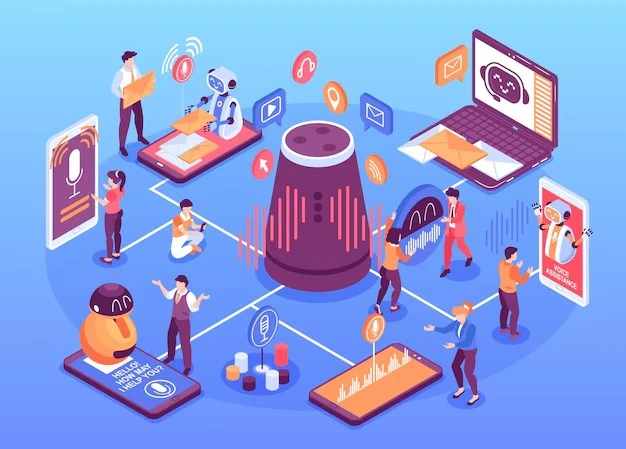
One of the most significant benefits of modern technology in Event Management is the ability to create a highly personalized attendee experience. Customizable event apps, AI-based matchmaking, and interactive digital platforms allow organizers to cater to the specific interests of each participant.
Virtual reality (VR) and augmented reality (AR) have also started to play a crucial role. These technologies offer immersive experiences, whether it’s a virtual venue tour before the event or interactive product demonstrations during the conference. By engaging multiple senses, VR and AR enhance retention and create memorable experiences that traditional methods cannot match.
Furthermore, technology enables seamless communication before, during, and after events. Automated emails, push notifications, and in-app messaging keep attendees informed and engaged. Real-time analytics provide event managers with insights into participant behavior, allowing them to make instant adjustments to improve the overall experience.
Data-Driven Decision Making
Data has become the lifeblood of event management. With Event Software, organizers can collect, analyze, and interpret vast amounts of data to make informed decisions. This includes tracking registration trends, session attendance, engagement metrics, and feedback surveys.
By leveraging this data, event planners can identify patterns and anticipate challenges. For instance, understanding which marketing channels drive the most registrations can optimize promotional strategies, while analyzing attendee feedback can improve future event planning. The use of predictive analytics is reshaping traditional approaches, turning event management into a more precise and strategic discipline.
Businesses looking for detailed cost plans and packages can Visit now for Event Management Software Price to compare options and select the solution that fits their organizational needs.
Cost Efficiency and Resource Optimization
Technology also significantly impacts cost management in Event Management. Automated processes reduce the need for manual labor, minimize errors, and streamline operations, resulting in substantial cost savings. Additionally, cloud-based platforms allow teams to collaborate remotely, cutting down travel and operational expenses.
For businesses, this efficiency translates into a more sustainable approach to event planning. Planners can allocate resources more effectively, focusing budgets on high-impact areas such as content quality, attendee engagement, and innovative technologies.
The Rise of Hybrid and Virtual Events
The global shift towards hybrid and virtual events has accelerated the adoption of technology in event management. Online platforms enable participation from anywhere in the world, breaking down geographical barriers and expanding audience reach. Hybrid events combine physical and digital experiences, offering flexibility for both attendees and organizers.
Streaming technology, virtual networking lounges, and interactive Q&A sessions have become standard features. Event software ensures that both in-person and remote participants enjoy seamless experiences, maintaining engagement and interaction regardless of location.
Security and Compliance
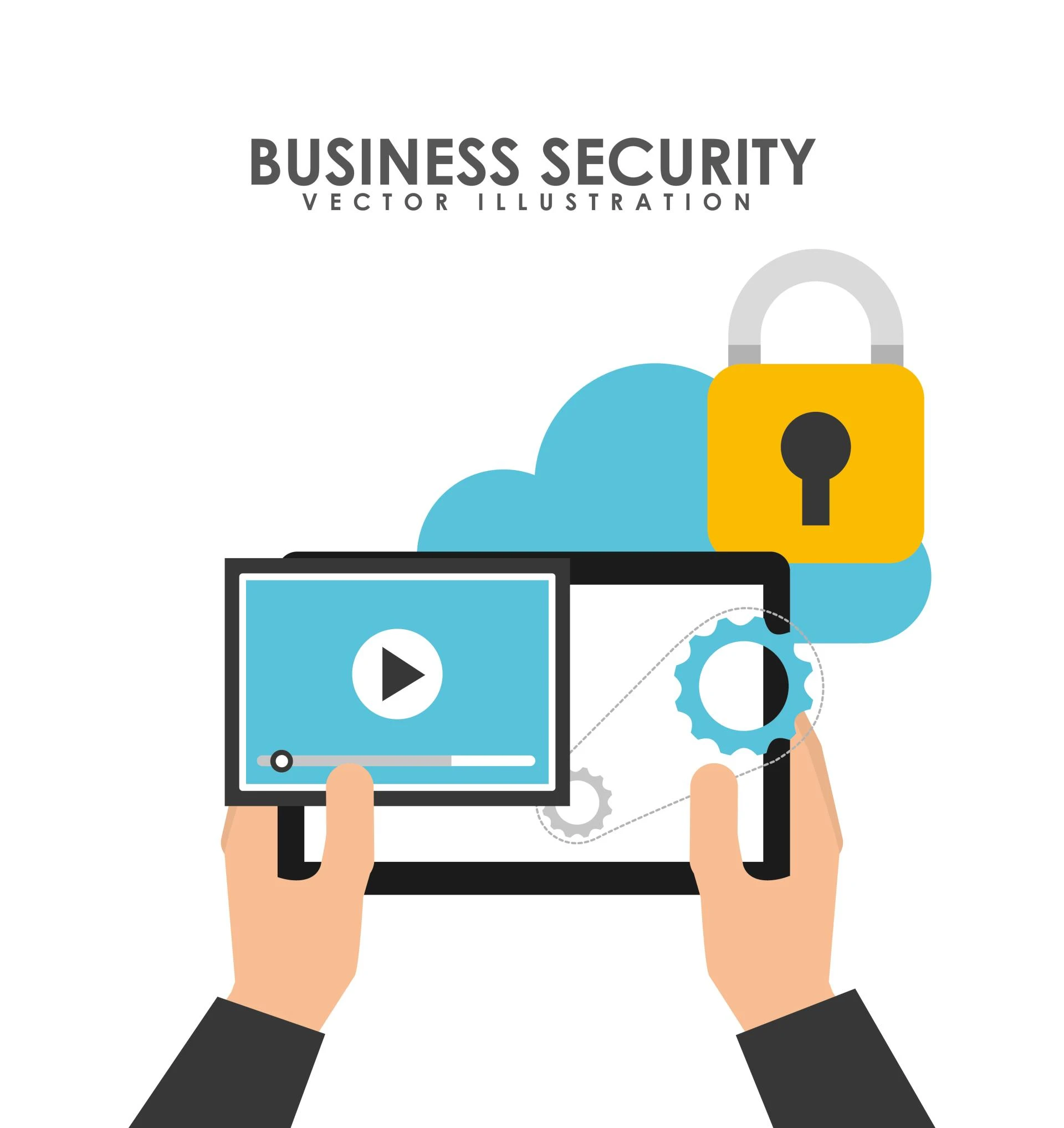
With increased digitization comes the need for robust security measures. Event software platforms are equipped with advanced encryption, secure payment gateways, and GDPR-compliant data handling practices. Protecting sensitive attendee information is critical, and technology provides the tools to ensure compliance and mitigate risks.
Organizers can now confidently manage attendee data, ticketing transactions, and session content without the constant fear of breaches or misuse. This fosters trust between organizers and participants, which is essential for the long-term success of events.
Conclusion
The advent of advanced Event Software has transformed the event management industry, shifting it from a manual, labor-intensive process to a highly strategic, data-driven discipline. Technology enhances efficiency, personalizes attendee experiences, expands global reach, and provides insights that were previously unimaginable.
Event managers who embrace these technological tools are better positioned to deliver exceptional experiences, maximize ROI, and adapt to the evolving expectations of participants. As the industry continues to evolve, staying ahead of technological trends will be critical to success.
By integrating technology thoughtfully, event professionals are not just planning events—they are shaping the future of experiences.

























Sign in to leave a comment.