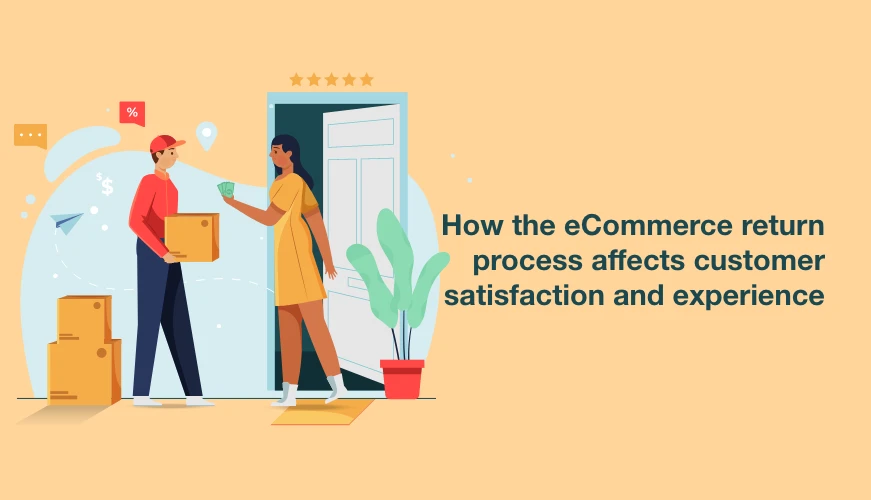

The return process is one of the most important aspects of the customer experience. In this post, we'll take a look at how the return process affects customer satisfaction and experience. We'll also explore some tips for improving the eCommerce return process. Keep reading to learn more!
1) What is the eCommerce return process and how does it work?
When a customer is not satisfied with a purchase, they have the option to return the item for a refund. The eCommerce return process can vary depending on the store, but there are some general steps that are typically followed. First, the customer must contact the store to request a return. They will then be given instructions on how to return the item, which may include packaging it in a certain way or including specific documentation.
Once the item is received by the store, it will be inspected to make sure it meets the return requirements. If everything is in order, the store will process the return and issue a refund to the customer. In some cases, store credit may be given instead of a refund. The return process can be simple and straightforward, as long as the customer follows the instructions provided by the store.
2) The effects of the eCommerce return process on customer satisfaction and experience
The effects of the eCommerce return process on customer satisfaction and experience are well documented. A study by the University of Florida found that 45% of customers had a negative reaction to the return process and that this significantly impacted their overall satisfaction with the company.
Given the importance of the return process to customer satisfaction, it is clear that eCommerce businesses must make sure that their return policy is easy to understand and hassle-free. Otherwise, they risk losing customers to competitors who offer a better return experience. There are a few key things that businesses can do to improve the eCommerce return process and make it more customer-friendly.
3) How to improve the eCommerce return process for a better customer experience?
One of the most important aspects of any eCommerce business is the return process. A streamlined and efficient returns process can make all the difference in creating a positive customer experience. There are a few key ways to improve the eCommerce return process.
Make it easy for customers to find the return policy. The return policy should be prominently displayed on the website, preferably in the footer so that it is always accessible.Offer multiple return options. Customers should be able to choose from a variety of return methods, including store credit, exchange, or refund.Provide clear instructions for returning items. The instructions should be concise and easy to follow.Offer customer support. There should always be someone available to answer questions about the return process.
By following these simple tips, you can create a hassle-free returns process that will improve the customer experience and create loyalty among your customer base.
4) Examples of companies that have implemented successful eCommerce return processes
One company that has implemented a successful eCommerce return process is Zappos. When a customer makes a return, they are given the option to receive a refund or store credit. If they choose a refund, the money is automatically credited to their original form of payment.
If they choose store credit, they are issued a gift card that can be used immediately. Returns are also easy to make – customers simply fill out a return form and ship the items back using the provided shipping label. Overall, Zappos provides an efficient and convenient return experience that keeps customers happy and coming back for more.
Another company that has successfully implemented an eCommerce return process is Amazon. Amazon gives customers 365 days to return most items for a full refund. Returns are also easy to make – customers simply log in to their Amazon account and initiate a return. They then print out a shipping label and attach it to the package. O
Once the package is received by Amazon, the refund is processed automatically. Thanks to its simple and straightforward return policy, Amazon continues to be one of the most popular eCommerce sites on the web.
5) The future of the eCommerce return process
As eCommerce continues to grow, the return process is evolving to meet the needs of shoppers. Currently, the return process is often inconvenient and time-consuming, which can deter customers from returning items. In the future, returns are likely to become more streamlined and efficient.
For example, shoppers may be able to print return labels at home, or they may be able to drop off returns at a local store. In addition, retailers are exploring new ways to reuse or recycle returned items. As a result, the eCommerce return process is likely to become more sustainable and customer-friendly in the years to come.
Final Conclusion
The eCommerce return process is one of the most important aspects of the customer experience, yet it is often overlooked. In order to ensure customer satisfaction and a positive experience, retailers must focus on creating a smooth and efficient returns process. By following these tips, you can create a returns process that meets your customers’ needs while preserving your bottom line. Have you tried any of these tips for improving your eCommerce returns process? Let us know in the comments!









Sign in to leave a comment.