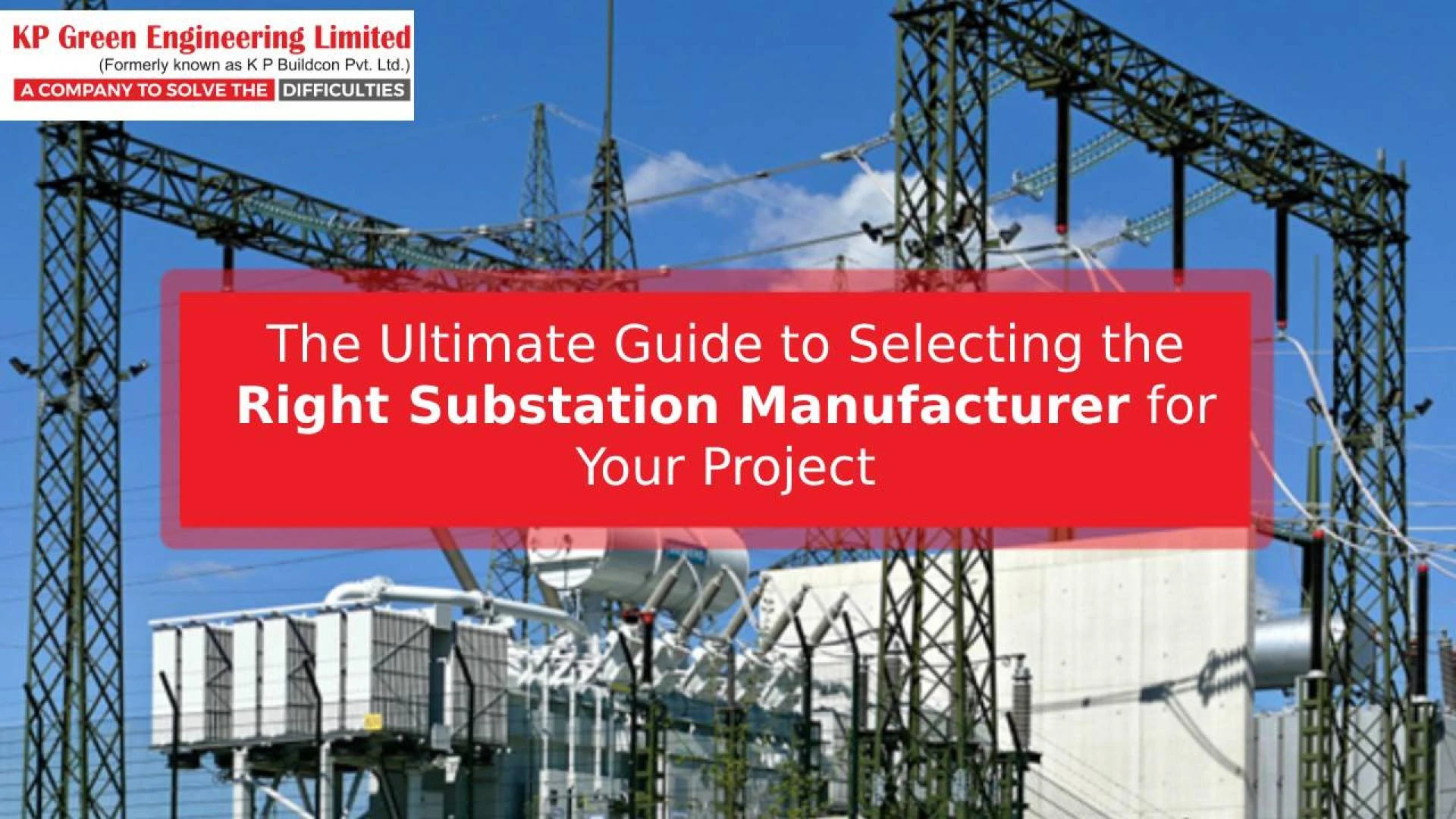

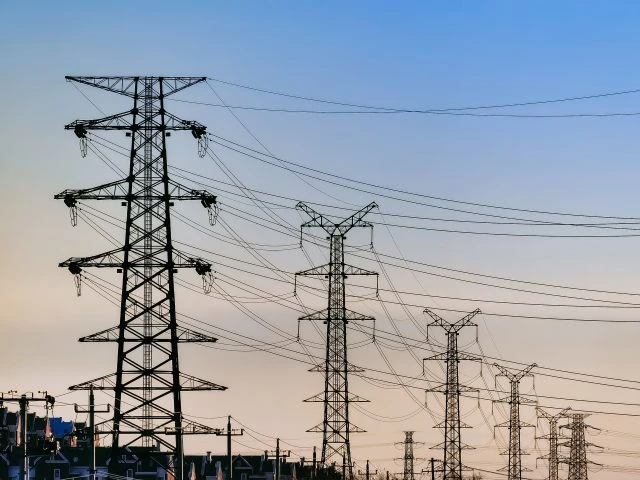
When you think about renewable energy, the first images that come to mind are usually solar panels across fields or wind turbines spinning on hills. Substation structures rarely get noticed. Yet without them, all that generation doesn’t reach homes or industries reliably. At the Matar facility, the design and manufacturing of these structures have evolved to handle the demands of renewable energy.
Designing for Flexibility
Renewables are different from conventional power plants. Solar output changes with clouds. Wind turbines produce irregular currents. That means substation structures need to handle variability in voltage, frequency, and layout.
At Matar, engineers have rethought the standard substation frame. Taller, modular designs make it easier to install inverters, transformers, and protective equipment. The structures can adapt. If a solar farm doubles in size or a wind project comes online, the substation can handle it without a full redesign. It’s efficient and practical.
Materials and Durability
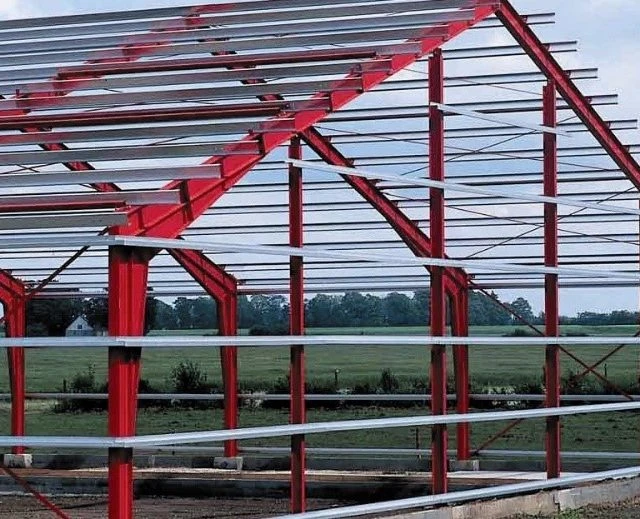
Sustainability is not just about reducing emissions. At Matar, materials are important. Substation structures are mostly galvanized steel, treated for corrosion resistance. Recycled steel is used wherever possible. Coating processes are optimized to reduce chemical waste.
It matters because renewable projects are often in exposed locations, like coastal wind farms or desert solar arrays. If the structure corrodes quickly, it causes downtime and safety issues. Robust structures upfront save problems later.
Integrating Smart Grid Technologies
Modern renewable integration needs more than strong steel. The substation structures at Matar are designed to support sensors, automation panels, and SCADA equipment. This allows monitoring of power flow in real time and adjusting for variability.
Substations are not static. Smart substations can balance loads, detect faults instantly, and communicate with the grid to prevent blackouts. Matar’s approach is to make structures compatible with this technology from the start. Cable trays, conduits, and mounting points are planned during design, not added later. That reduces errors and speeds up commissioning.
Space and Layout Considerations
Space matters. Renewable plants need transformers, capacitors, inverters, protection relays, and sometimes storage batteries. Cramped layouts make maintenance difficult.
The Matar facility emphasizes layouts with clear access paths for technicians. Platforms are wide enough for equipment upgrades. Ladders and walkways are positioned to minimize risks. These design decisions save time and money over the substation’s lifespan.
Energy Efficiency in Manufacturing
The Matar facility produces structures efficiently. Presses, cutting machines, and welding units are optimized to reduce energy use. Some areas use solar panels for auxiliary systems. Waste is minimized and scrap steel is reused.
Many focus on renewable energy at the grid level but ignore the carbon footprint of equipment production. Matar shows structures can support green energy while keeping manufacturing emissions low.
Adapting to Future Technologies
Not all innovation is predictable. Battery storage, microgrids, and hybrid systems change how substations are used. Matar structures are modular, allowing new equipment to be added without tearing down existing infrastructure.
Adaptability is sometimes more valuable than raw strength. Matar structures are strong enough to last decades but flexible enough to evolve with the grid.
Challenges and Trade-Offs
Sustainable manufacturing is not easy. Advanced coatings and modular designs increase initial costs. Using recycled steel can complicate fabrication.
Matar engineers accept these trade-offs. Cutting corners may save money initially but leads to downtime and maintenance problems later. For renewable integration, reliability comes first.
The Bigger Picture
Matar is part of a larger shift. India is rapidly adding renewable capacity, and the grid must keep up. Substation structures may seem minor compared to turbines or solar panels, but they are the backbone. Without reliable, adaptable frameworks, energy cannot flow safely.
Matar’s approach balances engineering pragmatism with foresight. Designs account for variability, materials are chosen responsibly, manufacturing is efficient, and layouts allow upgrades. It works.
A Personal Note
I have worked in clean energy for over twenty years. The unsung heroes are often the structures people rarely notice. Visiting Matar, it was clear how much thought went into every beam, platform, and cable tray. The facility is not chasing headlines. It is building a grid that can handle today’s renewables and whatever comes next.
Substation structures are more than metal frames. At Matar, they support the shift to cleaner, more reliable energy. And if more facilities take this approach, the grid and the environment both benefit.






















Sign in to leave a comment.