
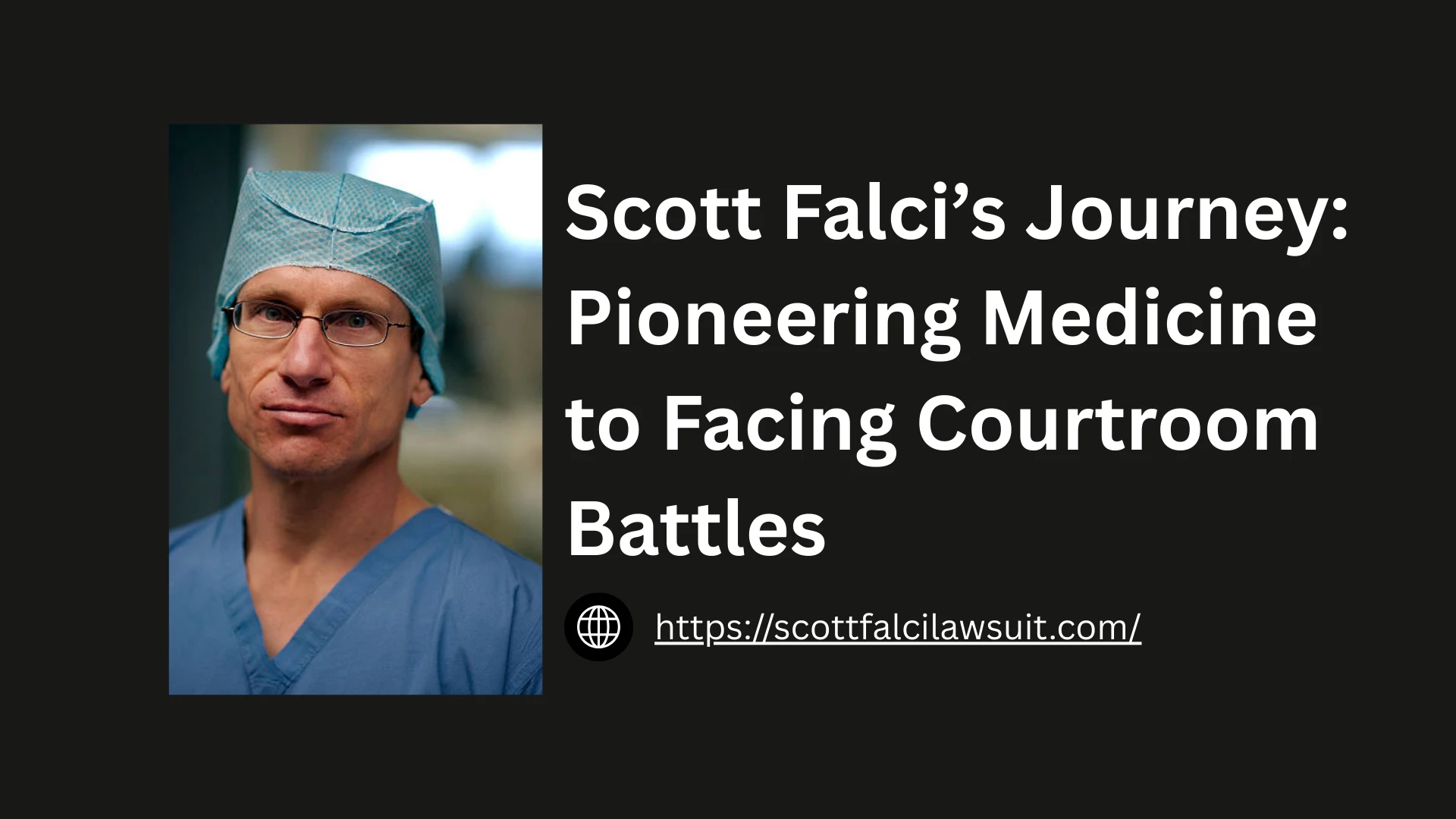
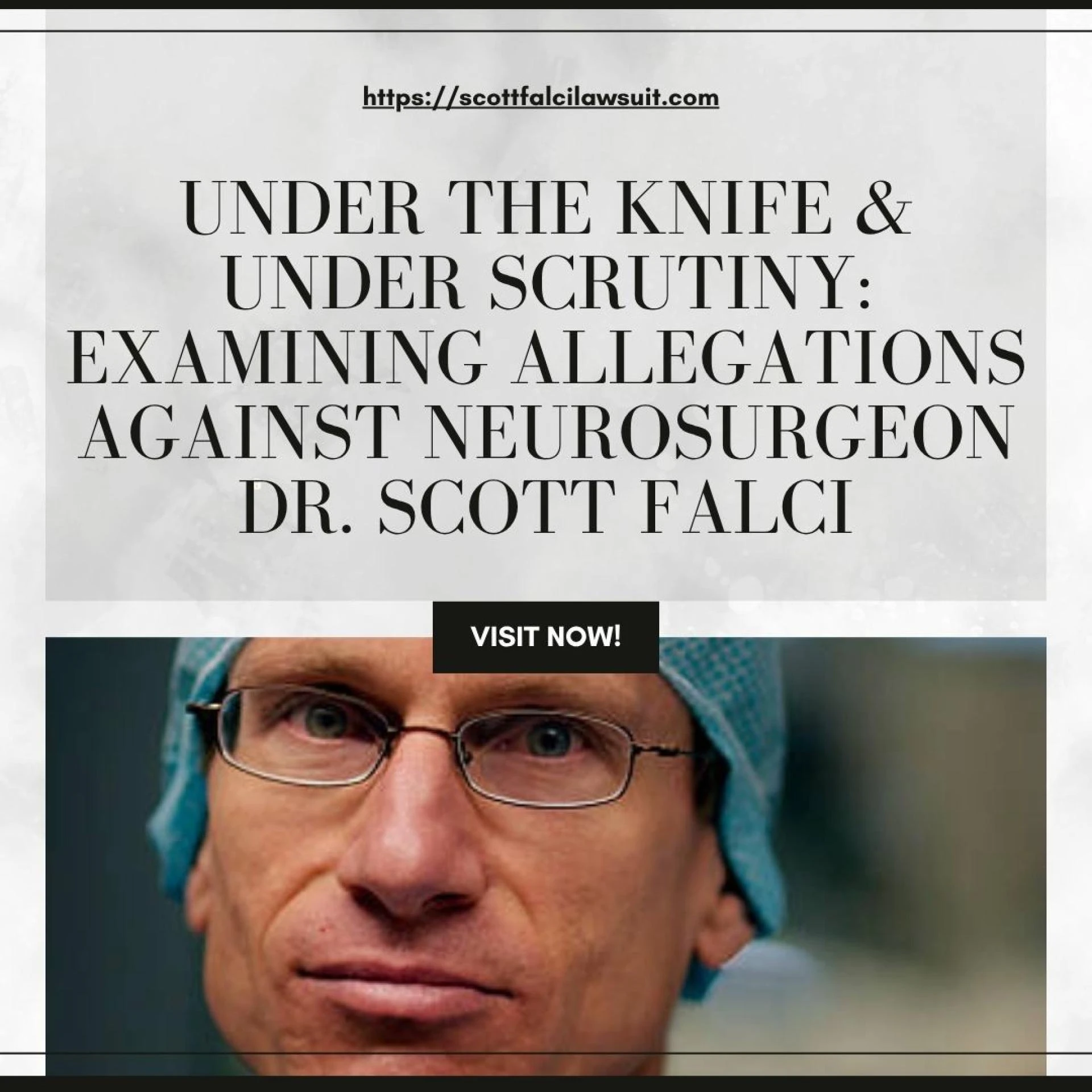
The recent lawsuit involving Dr. Scott Falci and the Craig Hospital has made headlines, centering on experimental spinal cord injury treatments, alleged conflicts of interest, and significant patient payments. While the legal process unfolds, it’s crucial to look beyond the sensationalism and ask a deeper question: How do cases like this impact the fragile foundation of trust between patients and the medical system?
For patients, especially those facing devastating conditions like spinal cord injuries, trust is paramount. They place immense faith in:
- Their Doctors: Believing recommendations are based purely on their best interests and proven science.
- Institutions: Trusting hospitals and research centers to prioritize patient safety and ethical conduct above all else.
- The System: Hoping that regulations and oversight protect them from exploitation.
The allegations in the Falci case strike directly at these pillars:
- Blurred Lines: Accusations of undisclosed financial interests linked to specific, expensive treatments shatter the expectation of unbiased medical advice. Was the treatment truly the best option, or driven by profit?
- Vulnerability Exploited?: The narrative suggests desperate patients seeking hope were potentially steered towards costly, unproven interventions. This preys on the most vulnerable, damaging the perception that medicine is a healing profession first.
- Institutional Oversight Questioned: The involvement of a renowned institution like Craig Hospital raises concerns. Did oversight fail? Did the system designed to protect patients falter?
The Ripple Effect on Medical Trust:
- Increased Skepticism: Cases like this fuel public doubt. Patients may question recommendations, especially involving expensive or experimental procedures, wondering, "Is this really for me, or for someone else's gain?"
- Erosion of Hope: For patients with limited options, seeing allegations involving experimental treatments can breed cynicism, making them wary of any innovative therapy, even potentially beneficial ones offered transparently.
- Undermining Legitimate Research: Ethical clinical research is vital for progress. Scandals can tarnish the entire field, making it harder for legitimate researchers to recruit participants and secure funding.
- Heightened Fear: It amplifies the fear that navigating complex medical decisions is not just about health, but also about avoiding financial exploitation.
Moving Forward: Rebuilding and Preserving Trust
This lawsuit is a stark reminder that trust must be actively earned and protected:
- Transparency is Non-Negotiable: Full disclosure of financial interests, treatment risks/benefits (especially for experimental procedures), and costs must be standard practice.
- Robust Oversight: Institutions need rigorous, independent mechanisms to identify and prevent conflicts of interest and ensure patient welfare is always paramount.
- Patient Advocacy: Empowering patients with clear information and encouraging second opinions is crucial, especially for high-stakes, costly treatments.
- Nuance Matters: It's vital to remember this is one case with specific allegations. It shouldn't indict the entire medical community, where countless professionals work with unwavering integrity.
The Takeaway:
The Scott Falci lawsuit transcends a single legal battle. It forces a necessary, uncomfortable conversation about the forces that can erode medical trust. Rebuilding that trust requires unwavering commitment from healthcare providers, institutions, and regulators to transparency, ethics, and placing the patient's well-being – physical, emotional, and financial – at the absolute center of care. Only then can we move beyond the damaging headlines and foster a system truly worthy of the trust patients desperately need to place in it.



























Sign in to leave a comment.