
Roofs are built to withstand weather, but the climate of your specific area plays a significant role in determining how quickly your roof deteriorates. In Edinburgh, where weather conditions range from heavy rainfall and damp winds to occasional snow and bright summer sun, roofs are constantly exposed to stresses that impact their longevity and performance. Understanding how Edinburgh’s unique climate affects your roofing materials over the years can help you plan maintenance schedules, choose the right materials, and prevent avoidable repairs or replacements.
This guide explores each weather factor in Edinburgh and explains its long-term effects on roofs, helping homeowners make informed decisions about maintenance, repairs, and roof replacement investments.
Edinburgh’s Climate Overview
Edinburgh experiences a temperate maritime climate characterised by mild summers, cool winters, and consistent rainfall throughout the year. Winds can be strong, especially in exposed areas, while snowfall, though infrequent, can accumulate enough to cause weight stresses on roof structures.
These conditions expose roofs to continuous moisture, temperature fluctuations, and wind stresses, all of which gradually degrade roofing materials and underlying structures if not maintained properly.
Rainfall and Moisture Damage
Rainfall in Edinburgh averages around 700mm to 800mm annually, with higher volumes in autumn and winter. Constant exposure to moisture has several effects on roofs:
Tile Saturation
Traditional slate and clay tile roofs found on many Edinburgh properties are porous to some extent. Prolonged rain can cause these tiles to become saturated, increasing their weight and potentially leading to slipped tiles or cracks under stress, particularly if the roof structure is ageing.
Underlay and Felt Deterioration
Older roofs often have traditional felt underlays, which deteriorate over time when exposed to moisture seeping beneath tiles. This weakens their water resistance, leading to leaks into roof timbers and interior ceilings.
Moss and Algae Growth
The damp climate encourages moss, algae, and lichen growth on roof surfaces. While often viewed as purely cosmetic, moss retains moisture against tiles or shingles, accelerating decay, causing frost damage in winter, and blocking gutters with dislodged clumps. This water pooling and drainage obstruction can lead to leaks and fascia damage if not removed regularly.
Wind Exposure
Edinburgh is known for its strong coastal and inland winds, particularly during autumn and winter storms. These winds impact roofs in several ways:
Tile Displacement
Strong gusts can lift or displace tiles, ridge caps, or hip tiles, creating entry points for water. Even a single missing tile compromises the entire roof’s weatherproofing, leading to leaks, timber rot, and ceiling staining.
Flashing Damage
Lead flashing around chimneys, dormers, and roof penetrations can be loosened by repeated wind buffeting. Once flashing lifts, water ingress accelerates, causing hidden damage to underlays and internal structures.
Flat Roof Uplift
Flat roofs, common in many Edinburgh extensions, are vulnerable to wind uplift where membrane edges are poorly secured. This can cause blistering or complete membrane detachment in severe storms, requiring urgent repairs or full replacement.
Temperature Fluctuations
Edinburgh’s temperature ranges are moderate compared to other parts of Scotland, but frequent fluctuations still affect roofs:
Thermal Expansion and Contraction
Roofing materials expand in heat and contract in cold. Over time, this repeated movement causes:
- Cracking in concrete tiles or mortar bedding
- Loosening of fixings or fasteners
- Stretching and contraction stress in flat roof membranes, leading to splits or blisters
Frost Damage
During winter, water trapped in moss or tile cracks freezes and expands, causing tiles to crack or spall. This frost damage accelerates roof deterioration, especially on unsealed clay or concrete tiles.
Snowfall and Ice Loads
While snowfall in Edinburgh is relatively light compared to the Highlands, heavy snowfalls still occur periodically. Snow accumulation exerts weight on roofs, potentially exceeding design loads if snow is heavy and prolonged. Sloped roofs shed snow naturally, but blocked gutters or moss buildup prevent effective runoff, leading to ice dams and water seepage under tiles.
Flat roofs are particularly vulnerable as accumulated snow adds static load. Poor drainage design or deteriorated membranes can result in ponding, leaks, or structural deflection under snow weight.
Sunlight and UV Exposure
Though Edinburgh’s annual sunshine hours are lower than southern regions, UV exposure still degrades roofing materials gradually:
Membrane Breakdown
UV rays break down flat roof membranes over time, making them brittle and prone to cracking. This is particularly an issue for older felt roofs without UV protective mineral surfaces.
Fading and Surface Damage
Roof tiles, slates, and asphalt shingles may fade or lose surface granules under sun exposure. While cosmetic, this signals material ageing and gradual deterioration of protective coatings.
Combined Weather Effects
Edinburgh’s climate rarely exposes roofs to a single stress factor in isolation. Instead, roofs endure combined assaults:
- Rain-wind synergy: Rain driven under tiles by strong winds leads to hidden leaks.
- Freeze-thaw cycles: Water trapped in cracks expands in winter, worsening damage.
- Wind and temperature shifts: Expansion-contraction combined with uplift weakens fixings over time.
These combined effects shorten roof lifespan if not managed through routine inspections and proactive repairs.
Impact on Roofing Materials
Different roofing materials respond uniquely to Edinburgh’s weather conditions.
Slate
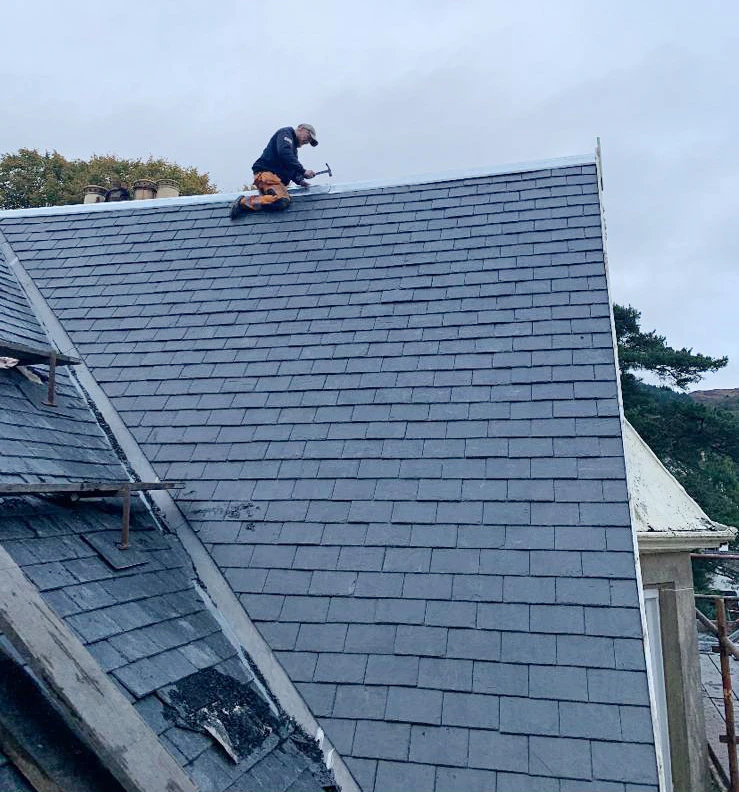
Traditional Scottish slate is highly durable, lasting up to 100 years when maintained. However, delamination from frost damage and rusting of nails (nail sickness) are common issues accelerated by dampness and temperature changes. Re-slating with high-quality fixings prevents slippage and leakage.
Clay and Concrete Tiles
These tiles are strong but vulnerable to cracking from frost and damage from moss retention. Concrete tiles can suffer surface erosion over decades, exposing porous interiors to rain absorption and increased weight load on structures.
Flat Roof Membranes
Felt roofs degrade fastest under Edinburgh’s damp and UV exposure. EPDM and GRP fibreglass systems offer superior longevity if installed correctly, resisting UV, thermal movement, and ponding damage common in traditional felt systems.
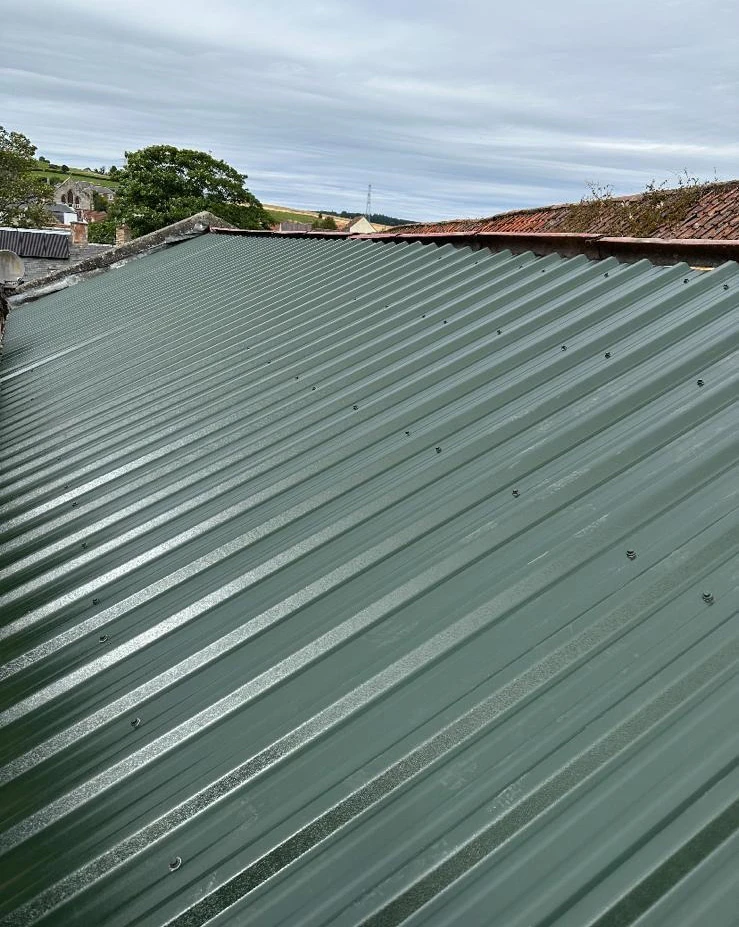
Metal Roofing
Lead, zinc, and steel roofs withstand weather well, but require professional installation to manage thermal movement. Improperly installed metal roofs can suffer from expansion noise or buckling in temperature changes.
Maintenance to Mitigate Weather Damage
To prolong your roof’s lifespan despite Edinburgh’s climate, regular maintenance is critical:
- Schedule annual inspections to check for missing tiles, moss buildup, and flashing integrity
- Clean moss and algae professionally to prevent moisture retention damage
- Clear gutters to ensure rainwater drains freely, reducing leak risk
- Check flat roofs for ponding and membrane blisters or cracks
- Replace cracked or slipped tiles immediately to prevent water penetration
- Ensure adequate loft insulation and ventilation to prevent condensation damage internally
In the context of Roofers in Edinburgh, professional contractors provide tailored maintenance plans suited to the city’s weather conditions, identifying vulnerabilities before they escalate into major repairs.
When to Consider Roof Replacement
If your roof is approaching the end of its expected lifespan (typically 50-100 years for slate, 40-60 years for tiles, and 20-30 years for flat felt roofs) and shows multiple recurring issues, replacement is a wise investment. Re-roofing allows:
- Full underlay and batten renewal
- Upgraded breathable membranes to prevent condensation
- Installation of modern, more weather-resistant materials
- Resetting of structural fixings and flashings to meet current building standards
Though re-roofing is costly upfront, it prevents the continual expense and disruption of repeated repairs while improving insulation and property value.
Insurance Considerations
Home insurance generally covers weather-related roof damage such as storm or impact damage, but excludes gradual deterioration, moss buildup issues, or wear and tear. Maintaining your roof ensures any claims are valid, as insurers require proof of regular upkeep to avoid claim rejection due to neglect.










Sign in to leave a comment.