
In the realm of building inspections, technological advancements are constantly reshaping traditional practices. One of the most significant innovations in recent years is thermal imaging. This powerful technology is revolutionising building inspections by offering a non-invasive, precise, and efficient method for detecting a variety of structural issues. From identifying moisture intrusion to pinpointing electrical faults, thermal imaging is transforming the industry and enhancing the accuracy of building diagnostics.
The Science Behind Thermal Imaging
Thermal imaging, also known as infrared thermography, is a technique that captures the infrared radiation emitted by objects. All objects emit infrared radiation, which is invisible to the naked eye but can be detected by thermal cameras. These cameras convert the infrared radiation into an electronic signal, which is then processed to create a thermal image or thermogram.
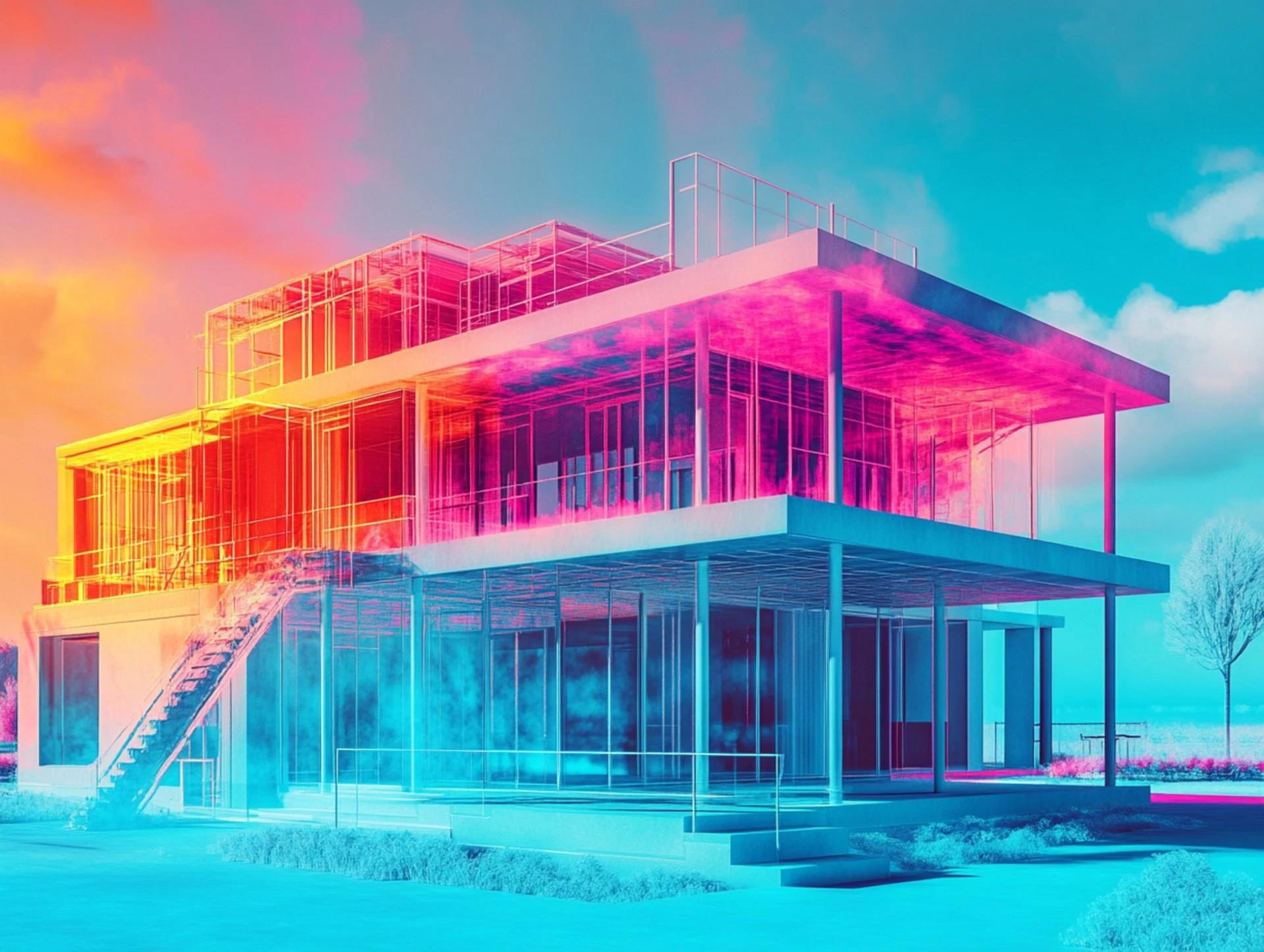
The resulting thermogram displays temperature variations across the surface of the object, with different colours representing different temperatures. Warmer areas might appear in shades of red or yellow, while cooler areas might be shown in blue or green. This visual representation allows inspectors to see temperature anomalies that can indicate underlying issues within a building structure.
Advantages of Thermal Imaging in Building Inspections
Thermal imaging offers numerous advantages over traditional inspection methods. One of the primary benefits is its ability to detect issues that are not visible to the naked eye. This includes identifying moisture intrusion, which can lead to mould growth and structural damage. Traditional inspection methods might miss hidden moisture, but thermal imaging can reveal it through temperature differences.
Another significant advantage is the ability to detect electrical faults. Overheating electrical components can pose serious risks, including fires. Thermal imaging allows inspectors to identify these hotspots before they escalate into dangerous situations. This proactive approach enhances the safety and longevity of building electrical systems.
Thermal imaging also excels in identifying insulation deficiencies. Poor insulation can lead to energy inefficiencies, resulting in higher heating and cooling costs. By using thermal imaging, inspectors can pinpoint areas where insulation is lacking or has been compromised, enabling property owners to make necessary improvements and enhance energy efficiency.
Moreover, thermal imaging is non-invasive, meaning it does not require any physical contact with the building structure. This makes it an ideal tool for inspecting areas that are difficult to access or could be damaged by traditional inspection methods. For instance, inspecting behind walls or within ceilings can be done without causing any disruption to the building.
Applications of Thermal Imaging in Building Inspections
Thermal imaging has a wide range of applications in building inspections. One of the most common uses is in detecting water leaks. Water intrusion can be a significant problem in buildings, leading to rot, mould, and structural damage. Thermal imaging can quickly identify areas of moisture accumulation, even when the source is not immediately apparent.
In addition to moisture detection, thermal imaging is invaluable for assessing roofing systems. Roof inspections are often challenging due to their height and complexity. However, thermal imaging can detect areas of heat loss, which may indicate poor insulation or water penetration. This allows for targeted repairs, saving time and resources.
Furthermore, thermal imaging is instrumental in diagnosing issues with HVAC systems. Heating, ventilation, and air conditioning systems are crucial for maintaining indoor comfort, but they can also be sources of energy inefficiency. By using thermal imaging, inspectors can identify leaks in ductwork, malfunctioning components, and areas where heat is escaping, ensuring that HVAC systems operate optimally.
Enhancing the Efficiency of Building Inspections
The integration of thermal imaging into building inspections significantly enhances their efficiency. Traditional inspection methods can be time-consuming and may require multiple steps to identify and confirm issues. In contrast, thermal imaging provides immediate visual feedback, allowing inspectors to quickly identify and document problems.
This increased efficiency translates to cost savings for property owners. By detecting issues early, thermal imaging helps prevent minor problems from becoming major repairs. Additionally, the ability to conduct non-invasive inspections means that buildings do not need to be disrupted, reducing downtime and inconvenience for occupants.
The Future of Building Inspections
As thermal imaging technology continues to advance, its applications in building inspections are likely to expand. Future developments may include even higher-resolution thermal cameras, enhanced software for image analysis, and integration with other inspection technologies, such as drones. These innovations will further improve the accuracy and efficiency of building inspections, providing even greater value to property owners and inspectors alike.
In conclusion, thermal imaging is revolutionising building inspections by providing a powerful, non-invasive tool for detecting a wide range of structural issues. Its ability to identify hidden problems, enhance safety, improve energy efficiency, and streamline the inspection process makes it an indispensable asset in the industry. As technology continues to evolve, thermal imaging will undoubtedly play an increasingly vital role in maintaining and enhancing the integrity of buildings.











Sign in to leave a comment.