

In a world where convenience and speed are highly valued, applying for online personal loans has become one of the most efficient ways to access financial support. Whether it is to consolidate debt, cover an emergency expense, or fund a personal goal, online loans provide flexibility and ease. Understanding the right way to apply can help individuals secure the funds they need without stress or delays.
Understanding Online Personal Loans
Online personal loans are unsecured loans that individuals can apply for entirely through digital platforms. Unlike traditional loans, the process is simple and does not require multiple visits to a bank or financial institution. Borrowers can complete their applications from home using a smartphone or computer, making the experience fast and convenient.
Why People Choose Online Personal Loans
Online personal loans offer several advantages that make them appealing. They provide quick access to funds, flexible repayment terms, and minimal documentation. Additionally, applicants can easily compare different loan options online to find one that fits their needs and financial situation.
Common Uses of Online Personal Loans
Borrowers use online personal loans for various purposes such as consolidating debt, paying medical bills, renovating a home, or covering unexpected expenses. These loans are versatile and can be customized based on the borrower’s requirements.
Step 1: Assessing Financial Needs
Before applying for an online personal loan, it is essential to evaluate the reason for borrowing and how much money is actually needed. Borrowing more than necessary can lead to unnecessary financial stress, while borrowing too little might not solve the problem.
Setting a Budget
Borrowers should consider their income, expenses, and financial obligations to determine what they can comfortably repay each month. Setting a budget helps in identifying a loan amount and term that will not strain finances.
Determining Loan Purpose
Having a clear purpose for the loan helps in selecting the right type of personal loan. For example, a loan for home improvement may differ in structure from a debt consolidation loan.
Step 2: Checking Eligibility
Most online lenders have specific eligibility criteria that applicants must meet before approval. These usually include age, income level, employment status, and credit history.
Credit Score Requirements
A credit score plays a key role in loan approval and interest rate determination. Individuals with a strong credit score often enjoy lower interest rates, while those with lower scores may still qualify but at higher rates.
Income and Employment Verification
Lenders typically require proof of stable income to ensure the borrower can meet repayment obligations. This can include salary slips, bank statements, or proof of self-employment income.
Step 3: Comparing Different Lenders
One of the greatest benefits of online personal loans is the ability to compare multiple lenders easily. Borrowers should take time to research various loan providers, review interest rates, fees, and terms before making a decision.
Evaluating Interest Rates
Interest rates can vary significantly between lenders. Fixed rates remain the same throughout the loan term, while variable rates can fluctuate. Choosing the right rate type depends on personal preference and financial stability.
Understanding Fees and Charges
Borrowers should read the fine print carefully to identify any additional fees such as processing charges, early repayment penalties, or late payment fees. Transparent terms are a sign of a reliable lender.
Step 4: Gathering Required Documents
Although online personal loans are known for their simplicity, a few documents are still required to verify identity and financial capability.
Typical Documentation
Applicants usually need to submit proof of identity such as an ID card or passport, proof of address like a utility bill, and proof of income through payslips or bank statements.
Uploading Documents Securely
Most online platforms allow applicants to upload these documents directly through secure portals. It is important to ensure the website uses encryption to protect personal data.
Step 5: Completing the Online Application
Once the borrower has chosen a lender and prepared the necessary documents, the next step is to fill out the online application form.
Filling Out Accurate Details
Applicants should provide accurate personal, employment, and financial details. Incorrect information may lead to delays or rejection. Double-checking all entries before submission can help avoid issues.
Submitting the Application
After completing the form, applicants can submit it instantly. Many lenders provide an immediate acknowledgment of receipt and update the status via email or text.
Step 6: Waiting for Approval
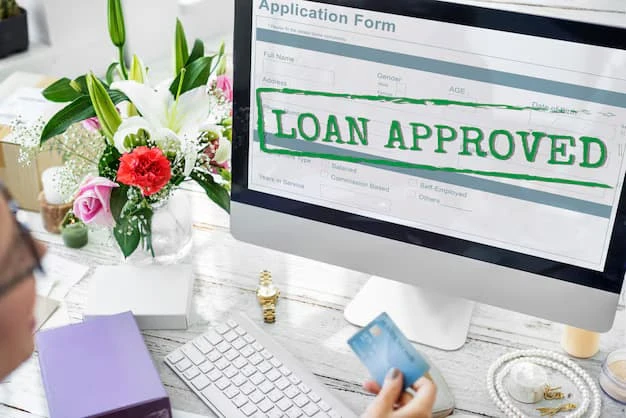
After submission, lenders will review the application, verify details, and assess creditworthiness. The approval time varies from one lender to another but is usually much faster than traditional loan applications.
Pre-Approval and Final Verification
Some lenders offer pre-approval within minutes based on the information provided. Final verification may involve a detailed check of income and credit history before confirming approval.
Receiving the Loan Offer
Once approved, the borrower receives a loan offer that outlines the loan amount, interest rate, term, and repayment schedule. It is essential to review the offer carefully before accepting.
Step 7: Accepting the Loan and Receiving Funds
When the borrower agrees to the loan terms, the lender will disburse the funds directly into the borrower’s bank account. This process can take anywhere from a few minutes to a few business days, depending on the lender’s system.
Reviewing the Loan Agreement
Before signing, borrowers should thoroughly review the loan agreement to ensure they understand all terms and conditions. This includes repayment schedules, penalties, and total interest payable.
Accessing the Funds
Once the funds are transferred, they can be used for the intended purpose immediately. Responsible use of the loan ensures financial stability and timely repayments.
Step 8: Managing Loan Repayments
Proper repayment management is crucial to maintaining a good credit history and avoiding unnecessary financial stress.
Setting Up Automated Payments
Many lenders offer automated payment options that help borrowers avoid missing due dates. Automatic deductions from a bank account can simplify the repayment process.
Tracking Payments
Keeping a record of payments and outstanding balances helps in managing finances effectively. Borrowers should regularly check their statements to ensure accuracy.
Benefits of Online Personal Loans
Online personal loans offer numerous advantages that make them a preferred choice for many individuals.
Convenience and Speed
Applications can be completed anytime, anywhere, without waiting in long queues or scheduling appointments. The entire process is streamlined for user convenience.
Flexibility in Loan Options
Borrowers can choose from a range of loan types and repayment plans to suit their specific financial situation. This flexibility makes online loans suitable for both short-term and long-term needs.
Transparent Process
Online platforms provide clear information about loan terms, interest rates, and fees, allowing borrowers to make well-informed decisions.
Conclusion
Applying for online personal loans is a simple and efficient process when approached correctly. By understanding each step, from assessing financial needs to managing repayments, individuals can make confident financial choices. These loans provide the convenience and flexibility needed to address various financial goals quickly. For professional assistance and trustworthy financial solutions, individuals can always turn to Future Finance for guidance and support.





























Sign in to leave a comment.