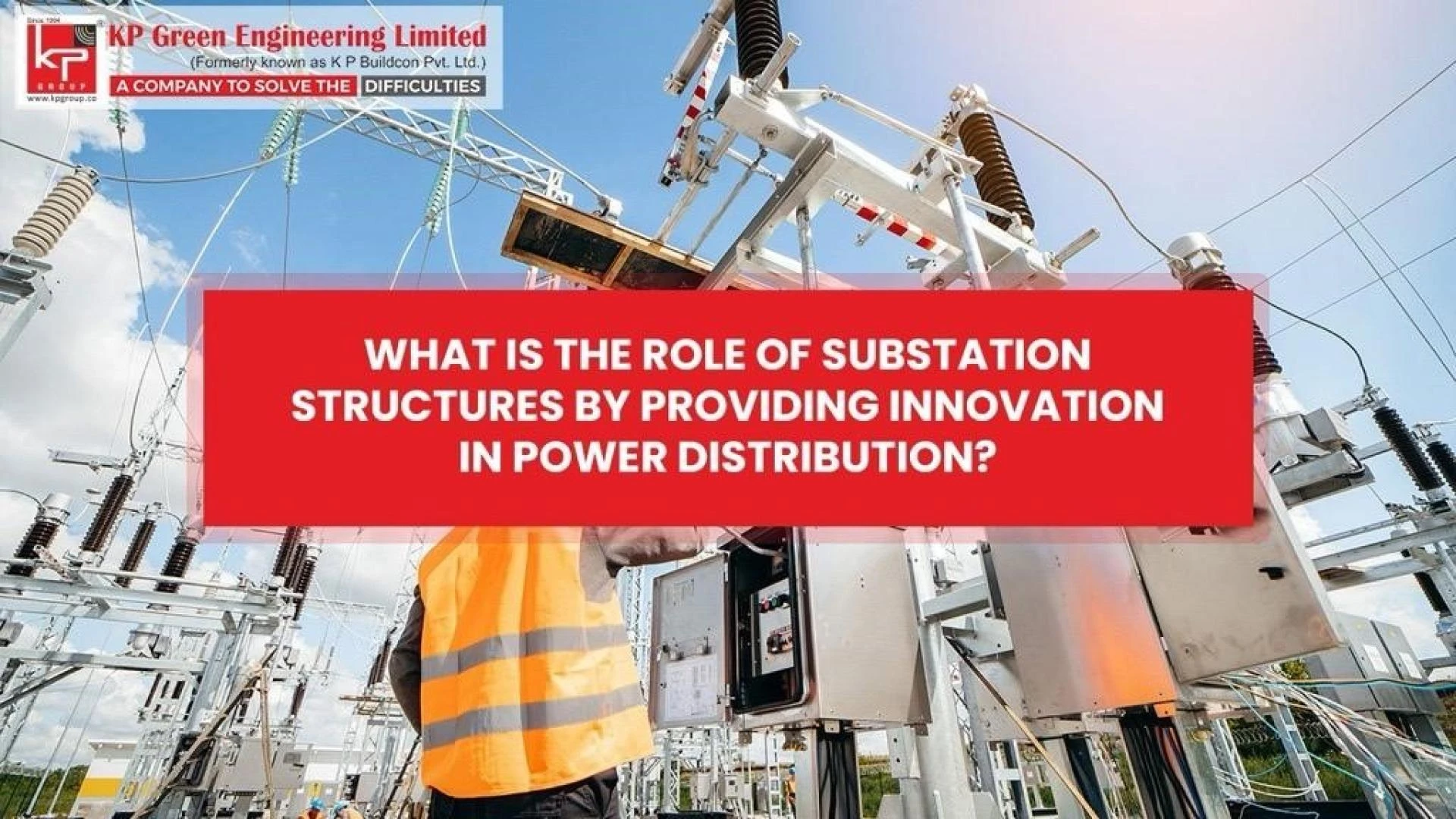

Working on substations is not something you can wing. Many assume that once the design is ready, construction is just about following instructions. It is not. Skipping the initial assessment of project requirements substation often leads to delays, cost overruns, or safety issues.
I have been involved in substation projects for decades, from 66kV switchyards to 400kV complexes. One thing I have learned is that planning makes or breaks the project. You can have the best equipment lined up, but if site conditions, load requirements, or approvals are not fully understood, construction gets messy.
Understanding the Scope Early
The first step is asking the right questions. What is the purpose of the substation? Is it for transmission or distribution? What is the peak load? Clients often provide incomplete data, and you need to dig deeper. I have seen projects where assumptions about load growth were off, leading to redesigns halfway through.
Then there is the switchyard. Its layout, capacity, and connectivity define much of the project. Are we building an AIS or GIS switchyard? What is the switching scheme? These details affect civil works, earthing, and safety clearances. Getting them wrong early adds months of work.
Site Assessment Matters
The site can dictate the project more than the design. Soil conditions, water table, and seismic activity influence foundation design and grounding systems. Sandy or clayey soil may need deeper piles or special earthing strips. Underestimating this leads to cracks or corrosion later.
Accessibility is important too. Roads, crane access, and logistics may seem trivial, but try moving a 60-ton transformer into a tight area. Early assessment saves time and headaches.
Regulatory and Environmental Considerations
Some teams jump straight to procurement without checking regulatory needs. That is a mistake. Land acquisition, environmental impact assessments, and local permits can take months. Some regions have rules on noise, clearance from homes, or tree removal.
Environmental factors influence design. Flood-prone sites need elevated platforms. Sites near sensitive habitats may need special fencing or landscaping. Ignoring this early costs time and credibility.
Load Flow and System Studies
Load flow studies are essential. How will the substation interact with existing feeders? Are there bottlenecks in transmission lines? Short-circuit analysis, relay coordination, and voltage regulation guide conductor sizing, breaker ratings, and control systems.
Assuming standard configurations are enough often leads to oversized equipment or unnecessary switchgear. That increases cost and complicates maintenance. Careful study saves money and trouble.
Choosing Equipment Wisely
Equipment selection is often rushed. Transformer ratings, circuit breakers, disconnectors, and busbars must match current and future needs. I have seen minor miscalculations force a transformer swap mid-construction. It is expensive and delays work.
Switchyard layout affects equipment choice too. Spacing, busbar configuration, and safety clearances influence installation. Ignoring layout creates logistical problems.
Safety and Operational Planning
Safety is more than meeting standards. Earthing, lightning protection, and fire detection need to be planned early. Retrofitting fire protection later is expensive and inefficient.
Operational planning matters. Maintenance teams need safe access to breakers and busbars. Proper grounding points should be included from the start. Thinking ahead avoids costly downtime.
Communication and Control Systems
Modern substations rely on SCADA, remote monitoring, and communication networks. These must be considered from day one. Control rooms, cable trays, cabinets, and fiber layouts need space and planning.
Layout affects this too. Equipment placement, switchyard configuration, and access points all influence cable routing. Planning here prevents integration problems later.
Budgeting and Timeline Realism
A detailed assessment may slow the start, but it saves months later. Rushing to meet budget or schedule without full assessment leads to change orders and cost escalation.
A thorough review of project requirements substation creates a realistic schedule. Procurement, civil works, and equipment installation become manageable when planning is solid.
A Personal Take
Not all engineers like spending weeks on calculations and paperwork before construction. I get it. You want to see progress. But skipping detailed assessment almost always causes problems.
Some say over-planning slows innovation. I disagree. Knowing the constraints helps explore layouts, equipment, and safety solutions more creatively.
Final Thoughts
Assessing project requirements substation before construction is not glamorous. It is about understanding the load, site, regulations, equipment, and operational realities. Thinking ahead ensures smooth construction.
A well-assessed project results in a switchyard that is safe, efficient, and built to last. That kind of work earns respect from clients and engineers who rely on the infrastructure every day.



























Sign in to leave a comment.