
Becoming an AWS Solution Architect is a journey that combines technical prowess, practical experience, and a strong understanding of cloud computing principles. This article will guide you through the necessary steps to achieve this coveted position, providing detailed insights and actionable advice.
Understanding the Role of an AWS Solution Architect
What is an AWS Solution Architect?
An AWS Solution Architect is a professional who designs and deploys scalable, reliable, and secure cloud-based solutions using Amazon Web Services (AWS). They play a crucial role in helping organizations leverage the power of the cloud to enhance their operations and achieve their business goals.
Key Responsibilities of an AWS Solution Architect
Designing Cloud Solutions: Creating architectures that meet client requirements.
Implementation and Deployment: Overseeing the deployment of cloud solutions.
Security Management: Ensuring cloud solutions are secure and comply with regulations.
Cost Optimization: Managing and optimizing the cost of cloud services.
Continuous Improvement: Staying updated with the latest AWS features and best practices.
Steps to Becoming an AWS Solution Architect
Step 1 - Build a Strong Foundation in Cloud Computing
Before diving into AWS, it’s essential to understand the basics of cloud computing. Familiarize yourself with different cloud service models (IaaS, PaaS, SaaS) and deployment models (public, private, hybrid).
Recommended Learning Resources
Online Courses: Platforms like Coursera, Udemy, and LinkedIn Learning offer courses on cloud computing basics.
Books: "Cloud Computing: Concepts, Technology & Architecture" by Thomas Erl is a great starting point.
Step 2 - Gain Hands-On Experience with AWS
Practical experience is key to mastering AWS. Start by creating a free AWS account and explore various services. AWS provides a free tier that allows you to experiment with many of its offerings
Step 2 - Gain Hands-On Experience with AWS
Practical experience is key to mastering AWS. Start by creating a free AWS account and explore various services. AWS provides a free tier that allows you to experiment with many of its offerings.
Practical Projects to Get Started
Setting Up a Simple Website: Use services like EC2, S3, and Route 53.
Deploying a Web Application: Utilize Elastic Beanstalk or Lambda for serverless applications.
Step 3 - Achieve AWS Certifications
AWS certifications validate your skills and knowledge. The AWS Certified Solutions Architect – Associate is the most relevant certification for this career path.
Certification Pathway
- AWS Certified Cloud Practitioner: For beginners.
- AWS Certified Solutions Architect – Associate: Core certification.
- AWS Certified Solutions Architect – Professional: Advanced certification for experienced professionals.
Developing Essential Skills for an AWS Solution Architect
Technical Skills
Networking: Understanding of VPC, DNS, TCP/IP.
Security: Knowledge of IAM, encryption, and compliance.
Storage: Proficiency in S3, EBS, and other AWS storage solutions.
Databases: Familiarity with RDS, DynamoDB, and Redshift.
Soft Skills
Problem-Solving: Ability to design solutions that address specific business needs.
Communication: Effectively conveying technical concepts to non-technical stakeholders.
Team Collaboration: Working with cross-functional teams to deliver cloud solutions.
Leveraging AWS Training and Resources
AWS Training Programs
AWS offers various training programs, including classroom training, digital training, and webinars. These programs are designed to help you acquire the necessary skills and knowledge to excel as an AWS Solution Architect.
Building a Portfolio and Gaining Real-World Experience
Working on Real Projects
Gaining experience through real-world projects is crucial. Participate in internships, freelance projects, or contribute to open-source projects to build a solid portfolio.
Networking and Community Involvement
Join AWS user groups, attend industry conference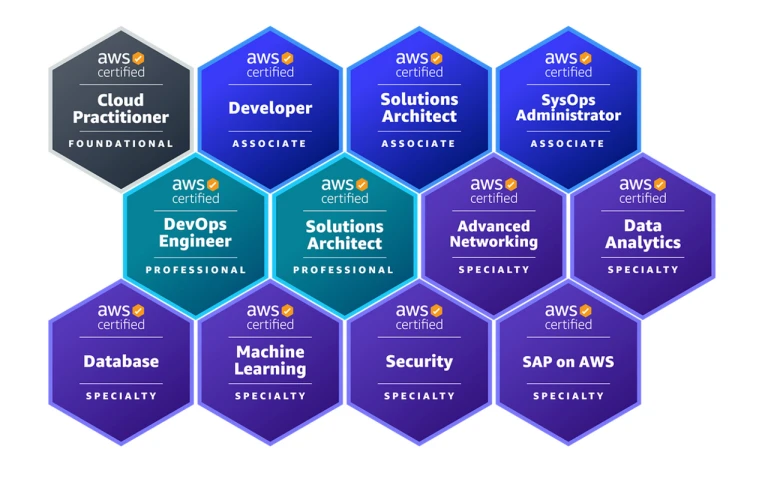 s, and participate in online forums to connect with other professionals and stay updated on industry trends.
Preparing for AWS Solution Architect Interviews
Common Interview Questions
Technical Questions: Cover topics like cloud architecture, security, and best practices.
Scenario-Based Questions: Demonstrate your problem-solving abilities with real-world scenarios.
Tips for Success
Study the AWS Well-Architected Framework: Understand the five pillars: operational excellence, security, reliability, performance efficiency, and cost optimization.
Practice with Mock Interviews: Use platforms like Pramp or Interviewing.io to hone your interview skills.
Conclusion
Becoming an AWS Solution Architect is a rewarding career path that offers numerous opportunities in today’s cloud-driven world. By building a strong foundation in cloud computing, gaining hands-on experience with AWS, and achieving relevant certifications, you can position yourself as a valuable asset to any organization.
About the company
We offer classroom-based (face-to-face), live virtual and in-house training. Learn from AWS fundamentals to advanced concepts through our interactive hands-on training courses.
AWS certifications are divided into Foundational, Associate, Professional and Specialty areas. Foundational certifications require six months of fundamental AWS Cloud and industry knowledge. Associate certifications require one year of experience solving problems and implementing solutions using the AWS Cloud. Professional level certifications require two years of experience designing, operating, and troubleshooting solutions using the AWS Cloud and with specialties requiring different experience levels.
Contact Us at : awscertification.com.au
Which AWS Certifications Are Offered?
- AWS Certified Cloud Practitioner
- AWS Certified Solutions Architect - Associate
- AWS Certified SysOps Administrator - Associate
- AWS Certified Developer - Associate
What to Bring on the First Day
- Please ensure the fee or the installment has been paid, we
will provide course material and stationery.
- Tea and coffee are provided at our premises.
- Meals are provided in full-time classroom courses held at
our premises (excludes packages and programs).
Course Timings
- Full-Time (weekdays): 9:30 am to 5 pm
- Part-Time (weeknights): 6 pm to 9 pm
- Part-Time (weekends): 10 am to 5 pm
Payment Methods
- Cash, EFTPOS, Online Transfer, Business Cheque.
Purchase Order, PayPal, Credit Cards with 3% surcharge
[VISA, MasterCard, AMEX)
- Invoices and receipts are issued for all payments.
Reservation Process
- Seats are limited; please reserve your place by filling out
the Book Now form. Courses run subject to minimum
registrations.
- Once the required number of registrations have been
received, the course is closed and participants will need
to wait for the next intake.
Locations
- Melbourne: 53 Dryburgh Street, West Melbourne, VIC 3003
- Sydney: Suite 1A5, 410 Elizabeth Street, Surry Hills, NSW
2010
- Brisbane: Level 5, 345 Ann Street, Brisbane City, QLD
4000
In-House Options
Melbourne: In-House Options
Anywhere at your premises
FAQs
Q1: How long does it take to become an AWS Solution Architect?
The time required varies depending on your background and learning pace. Typically, it can take anywhere from a few months to a year.
Q2: Is prior IT experience necessary to become an AWS Solution Architect?
While prior IT experience is beneficial, it is not mandatory. Many resources are available for beginners to get started.
Q3: What is the average salary of an AWS Solution Architect?
The average salary of an AWS Solution Architect in the United States is approximately $130,000 per year, but this can vary based on experience and location.
Q4: How often do AWS certifications need to be renewed?
AWS certifications are valid for three years. Recertification is required to maintain your credentials.
Q5: What are some common challenges faced by AWS Solution Architects?
Common challenges include keeping up with rapid changes in AWS services, managing cost optimization, and ensuring security compliance.







Sign in to leave a comment.