Introduction
Let’s be honest — most of us don’t cook every day. Life is busy, and ordering food with a few taps on your phone has become second nature. That’s exactly why food delivery apps have taken off in such a big way.
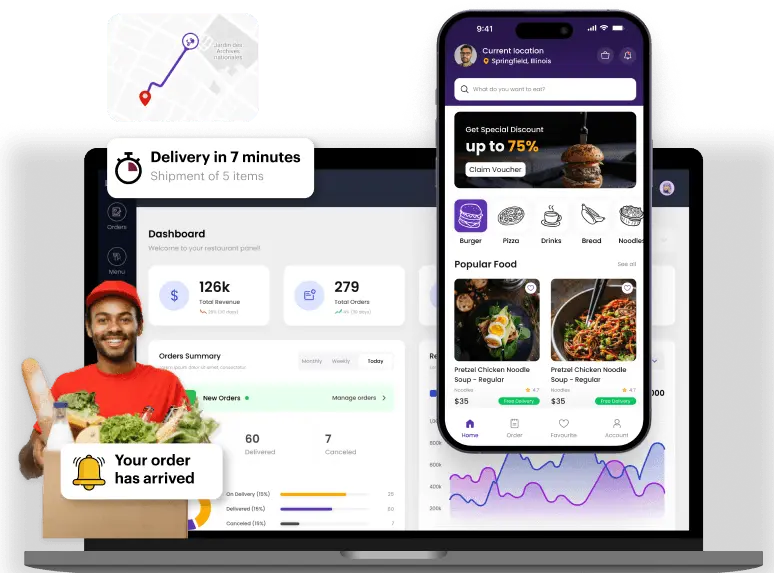
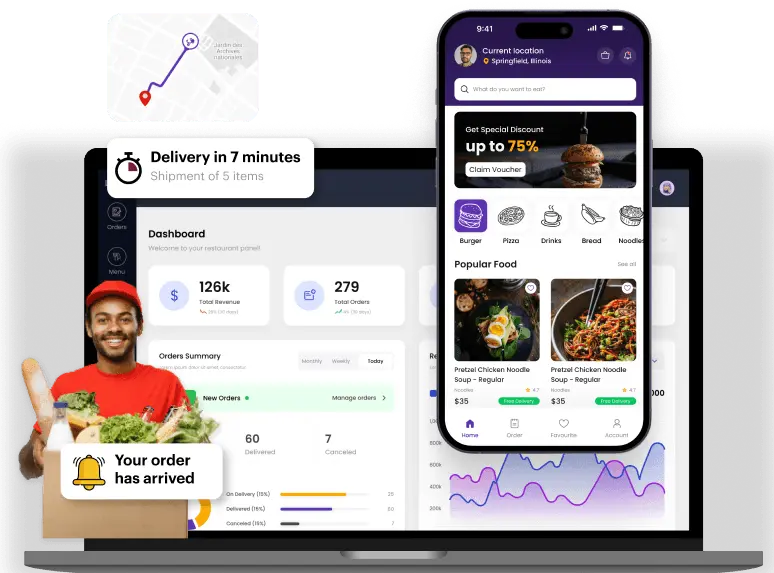
If you’re thinking about building your own platform, you’re not alone — but you’re also not too late. There’s still huge potential in the space, especially if you do it right. In this blog, we’ll walk you through what on demand food delivery app development actually involves, what features matter most, and how to create an app that keeps users coming back for more.
What Does “On Demand Food Delivery App Development” Actually Mean?
It sounds fancy, but it’s simple: it’s about building an app that lets people order food whenever they want it — and have it delivered fast. Think Uber Eats, DoorDash, or Zomato. But this time, it’s your app.
Whether you’re a startup founder, a restaurant owner, or an investor looking to break into the food tech space, on demand food delivery app development is your blueprint for turning an idea into a full-blown digital product.
Why Food Delivery Apps Are Still a Big Deal
Some people thought food delivery apps peaked during the pandemic. But in reality, the demand has only gotten smarter. Customers want their food faster, their options more personalized, and their experience smoother than ever.
That’s good news — it means there’s still room in the market. If your app offers better service, cleaner design, or unique features, users will notice. And they’ll use it.
What Every Great Food Delivery App Needs
A good app isn’t just about letting people place orders. It’s about making the process so smooth they don’t even have to think about it. Here are the basics you’ll want to include:
For Customers:
- A quick, no-hassle sign-up
- Easy browsing and search for restaurants and dishes
- Real-time tracking (because everyone wants to know where their food is)
- Multiple payment options (cards, wallets, UPI, etc.)
- Ratings and reviews
- Notifications for order updates and special deals
For Delivery Drivers:
- A way to accept or reject orders
- In-app navigation to avoid delays
- A simple interface to update delivery status
- A dashboard to track earnings
For Restaurants:
- Menu and order management tools
- Alerts for incoming orders
- Access to customer feedback
- Basic reporting to keep track of sales
For You (Admin):
- A control panel to manage restaurants, drivers, users, and payments
- Analytics to understand what’s working — and what’s not
- Tools for offering promos and managing revenue
These features are the backbone of solid on demand food delivery app development.
Let’s Talk Tech (But Keep It Simple)
You don’t need to be a tech wizard, but you should know what powers the app behind the scenes. Here’s a quick breakdown:
- Frontend (the part users see): Built using tools like Flutter or React Native
- Backend (where the logic lives): Node.js, Django, or Ruby on Rails
- Database (where data is stored): Firebase, PostgreSQL, or MongoDB
- Payments: Stripe, Razorpay, or PayPal
- Maps & Tracking: Google Maps or Mapbox
- Hosting: AWS, Google Cloud, or Azure
If you’re working with a development team, they’ll help you choose the right tech based on your goals and budget.
What’s Hard About Building a Food Delivery App?
Like any business, it’s not all smooth sailing. Here are a few bumps in the road you’ll want to plan for:
- Keeping deliveries on time (especially during busy hours)
- Handling a surge in orders without crashing the app
- Making sure payment and user data is secure
- Standing out in a crowded market
- Getting people to download your app — and use it again
A great product and a smart launch strategy can help you overcome these challenges.
Why Custom Development Is Worth the Investment
You could try a white-label solution or clone an existing app. But here’s the thing — people notice when your app feels like everyone else’s.
Going custom with on demand food delivery app development gives you:
- Your own brand identity
- Custom features your competitors might not have
- Better long-term performance
- Flexibility to grow and scale
- Full control over your user experience
It might take a little more time and money up front, but it’s an investment that pays off in the long run.
Final Thoughts
Food delivery isn’t just a convenience anymore — it’s part of everyday life. And as people rely more and more on these apps, there’s still plenty of room to create something fresh, fast, and user-friendly.
If you’re serious about building your own food delivery platform, don’t rush it. Spend the time to get the right features, the right tech, and the right team behind you. Smart, strategic on demand food delivery app development is what will separate your app from the rest.
Location: USA



















Sign in to leave a comment.