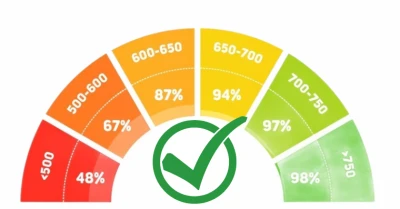

First of all, let's define what exactly a credit score is. A credit score is essentially a rating that determines your creditworthiness. A credit score predicts the probability of making on-time loan repayments. Your credit rating is generated using the information available in your credit file. A credit score essentially acts as the doorway to a person's creditworthiness. A high credit score is required for borrowing money, using credit cards, and getting loans. When undertaking any form of financial management, a credit score is necessary at each and every level.
Build Good Credit Score:
Here are some suggestions for increasing creditworthiness and maximizing savings:
Pay your bills timely:
One of the most important rules to follow while looking for ways to build a good credit score is to be consistent while paying your credit card balance and on time. Not paying your bills by the deadline will have a bad look on your credit file and therefore will have a negative impact on your credit rating causing it to drop. Any attempts to raise your credit score will be unsuccessful if you have a habit of late payments. Delayed payments can harm your credit score for as long as 7.5 years, which is even more damaging.
Lower your credit utilization ratio:
Your credit utilization is a critical element to take into consideration when calculating a credit score. It shows how much an individual is dependent on the credit available to them. The proportion of your credit card's entire permissible limit that is utilized each month is known as the credit utilization ratio. For a better credit rating, it is preferable to keep this proportion at 30% or lower. Consuming more than this shows a strong reliance on credit, which lending institutions may view as unsafe.
Check your credit report regularly:
If you want to improve your credit score, examining your credit reports is a sensible plan. You can gain a clearer understanding of all the information in your credit report in addition to the bills and errors that are causing your credit score to decline. The information which is collected could sometimes be wrong. You can immediately lodge a report with the institution or the credit rating agency if any of that occurs. But it can only happen if you take your time to thoroughly go through your credit report.
Do not just stick to paying the minimum amount:
One other error that numerous people commit is to settle for just completing the bare minimum payments. While paying the minimum payment is the absolute minimum that must be adhered to at all costs, this does not obligate you to do so. If you can pay more than necessary, do so, since it will result in less debt and save you from having to pay interest on the balance that is still owed. If users continue making minimal payments, their debt scarcely decreases and they eventually wind up allocating the majority of their monthly earnings to interest payments. Ultimately, their credit score can suffer.
Do not close your old accounts:
Often times people close their old credit card accounts. Unless you have a very solid reason to do so it is never advisable to close the old credit card accounts. The old credit card accounts add to your credit history, therefore the longer the credit history the better the credit score. It influences both your credit utilization ratio and the average duration of your credit record. A lengthy credit record will always increase a person's likelihood of having a high credit score over multiple recently opened loans or credit card accounts.
Set payment reminders:
A smart strategy that will gradually raise your credit score is to set payment reminders. Payment reminders will assist in ensuring that you settle your credit card bill on time each month, reducing the likelihood that you will forget. Numerous credit cards even include an auto-debit feature that automatically deducts the monthly payable balance from your account so you don't have to keep track of payment deadlines. If you do not want to use the auto debit facility you can always use the traditional method by putting a reminder on your smartphone or calendar.
Do not apply for numerous credit cards:
When you apply for a credit card, as a component of the credit application procedure, an issuer or business may ask to see your credit file. This request from the issuer is noted on your credit file as a hard inquiry. Hard inquiries typically have an adverse effect on your credit rating. If users wish to obtain extra credit cards, they should think about getting so gradually rather than all at once. Although there is no such thing as having too many credit cards, applying for multiple cards simultaneously is not really a good idea.
Do not miss payments:
This is another crucial factor that can either make or break your credit score. like making on-time payments is necessarily paying the bill is also important, even if you are able to make just the minimum payments. The very minimum payment is preferable to none at all. Missing a credit card payment can lead to you paying late payment charges and if repayment is delayed after it has been long due for more than thirty days, the institution will inform the credit reporting authorities. A user's credit file could contain this missed payment for up to seven years.
Pay the outstanding bills:
Every monthly balance should be paid off as soon as you are able. By repeatedly availing of credit and repaying it on the date and in full, you demonstrate your trustworthiness. It demonstrates that you are a capable adult who uses credit cards responsibly and not just to get by. And if a user has more than one credit card, they should prioritize paying them off as soon as possible so that it does not impact their credit rating too much.
Stay disciplined:
Nothing good happens overnight, unless well it is a lottery ticket you won but we all know the chances of that happening. Therefore if you want to build a good credit score you have to stick to the rules above, having a credit card may look tempting because you are enjoying making transactions that are not charging from your own pocket but you have to understand that it is credit after all, and eventually you have to pay it back with interest. So, stay disciplined and consistent while using a credit card.
Bottom Line:
A credit score takes time to develop. Based on just how carefully and frequently you are using and managing credit, it can take several months or perhaps a whole year. It requires significantly longer to establish a strong credit rating. Always keep in mind that you'll be borrowing money whenever you complete a transaction using your credit card. You can be charged a fee if you don't repay the borrowing. If a user keeps failing to make the full payment due at the end of each billing period, the debt will keep rising and get harder and harder to repay. Your credit score can rise if you consistently make on-time complete monthly payments in addition to some of the previously discussed strategies.
0










Sign in to leave a comment.