

Property cases usually start as ordinary decisions such as buying a home, inheriting family property, signing a builder agreement, or trusting a verbal promise. Problems surface later, often without warning. A delayed possession turns into a dispute. An inheritance becomes a conflict. A document signed in good faith suddenly carries legal consequences.
Real estate laws do not allow room for assumptions. Ownership, possession, and rights are decided strictly on records, registrations, and legal compliance. One incorrect document, one missed clause, or one wrong legal step can put your property at risk for years. That is why choosing legal support in a property matter is not about convenience or referrals alone. It’s a legal shield.
Whenever you face disputes related to transactions, or ownership issues, selecting experienced real estate lawyers in Delhi is the best decision. The right lawyer reads documents carefully, identifies risks early, explains your legal position honestly, and guides you through a process that can otherwise feel confusing.
Who Is a Real Estate Lawyer?
A real estate lawyer is a legal professional who focuses specifically on matters related to property, land, and real estate transactions and disputes. They work with property documents, legal compliance, and risk assessment at every stage of ownership and transfer.
What to Look for in a Real Estate Lawyer?
A property case can move in the right direction or go wrong very quickly. The lawyer you choose plays a big role in that outcome.
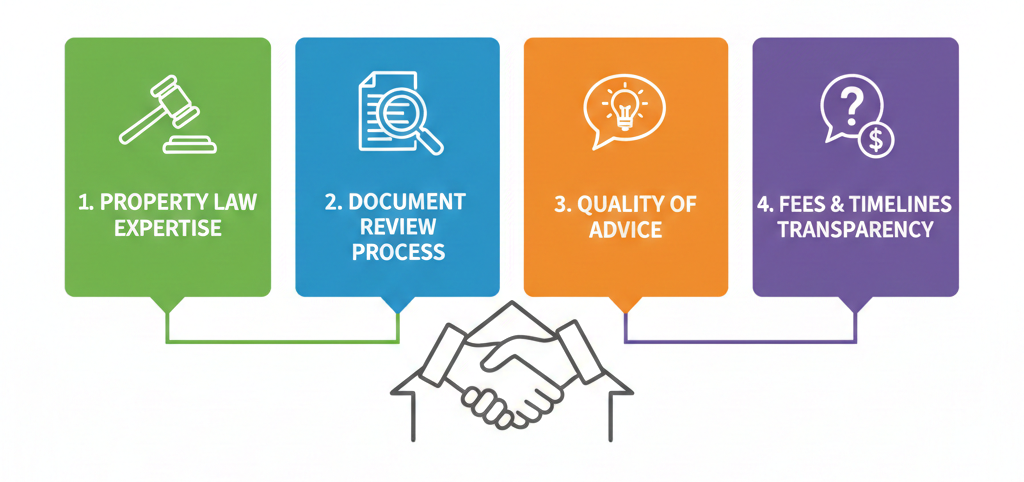
1. Check if the Lawyer knows Property Laws
You should first confirm that the lawyer actively handles property-related matters. A real estate lawyer needs to know about sale deeds, title documents, builder agreements, and court procedures specific to land and real estate disputes.
If you choose a lawyer who only occasionally handles property cases, you risk delays and incorrect advice.
2. Observe How the Lawyer Reviews Your Documents
You should notice whether the lawyer asks for original papers, checks dates and registrations, and questions gaps in ownership history.
If you are given strong legal opinions without document review, you should be cautious. Property cases are decided on records, not assumptions. The way your lawyer handles paperwork in the first meeting often reflects how carefully your case will be handled later.
3. Pay Attention to the Advice You Are Given
You should expect honest and practical advice, not just encouragement to fight. A good lawyer explains where your case stands legally, what risks exist, and what outcomes are realistically possible.
If you are pushed toward litigation without discussion of alternatives, you may end up spending time and money behind a single case unnecessarily.
4. Ask Clear Questions About Fees and Timelines
You have the right to know what you are paying for and how your case is expected to move. A responsible lawyer explains fees openly—what you pay for consultation, drafting, court appearances, and any additional expenses. They also give you a realistic sense of timelines, not false urgency or vague promises.
You My Read : Essential Tips for Successfully Navigating Property Deals
Bottom Line
Property disputes are not just legal issues. They affect financial security, family relationships, and peace of mind. When you partner with real estate lawyers in Delhi you get lawyers who do not promise shortcuts. They protect your rights by getting the basics right, from the very beginning.




























Sign in to leave a comment.