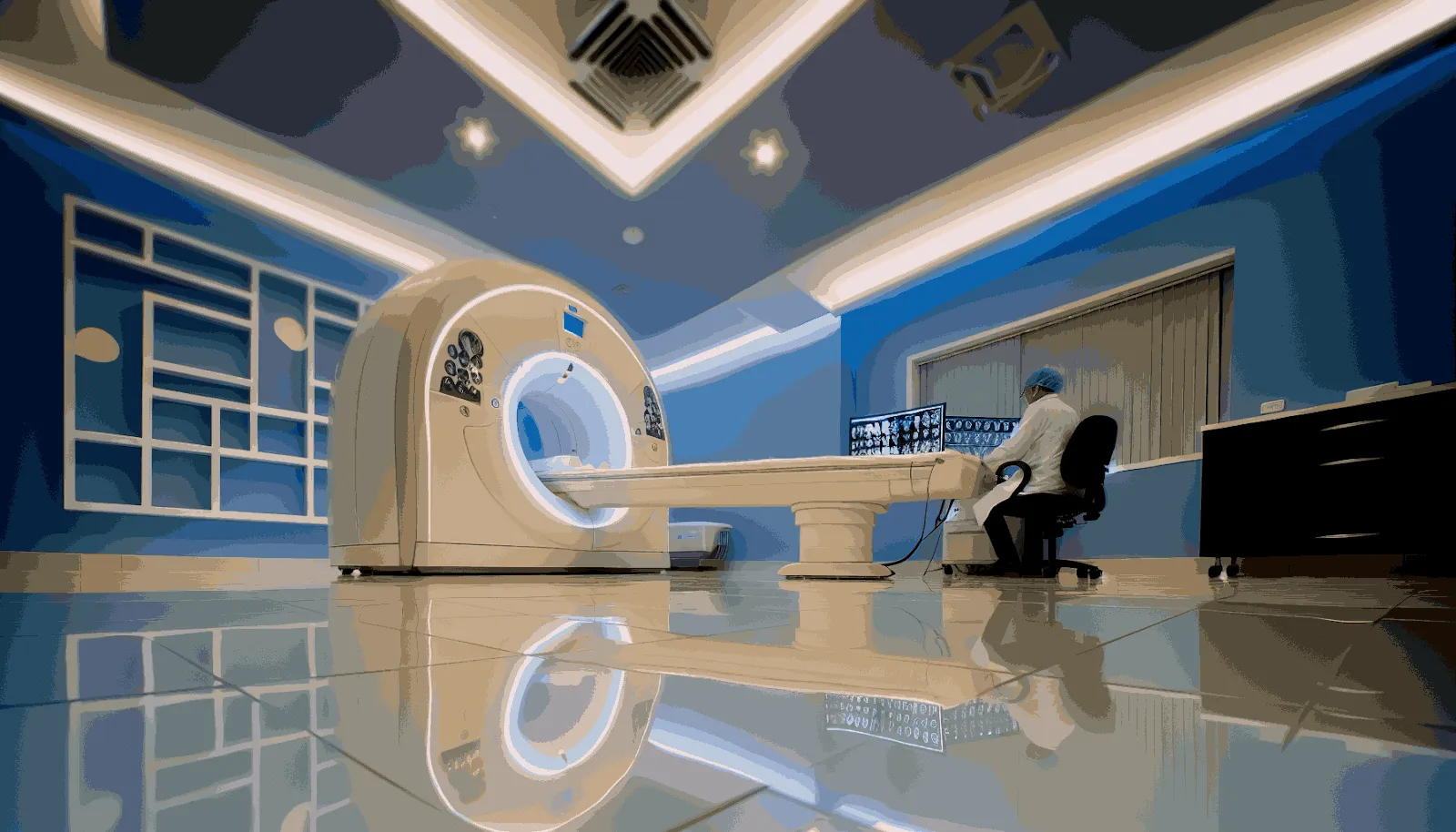

Selecting the right veterinary imaging center for your pet can be a daunting task. With numerous options available, it's crucial to understand what factors to consider to ensure your pet receives the best possible care. Advanced imaging plays a pivotal role in diagnosing and treating various conditions in pets. This article will guide you through the essential aspects to consider when choosing an imaging center for your furry friend.
Understanding Advanced Imaging for Pets
Advanced imaging for pets includes a range of technologies designed to provide detailed insights into your pet’s health. Techniques such as MRI, CT scans, and ultrasound are commonly used to diagnose conditions that might not be visible through standard examination methods. These imaging modalities can detect issues such as tumors, fractures, and internal organ abnormalities.
The use of advanced veterinary medical imaging has revolutionized the way veterinarians diagnose and treat conditions in animals. By providing a non-invasive way to look inside the body, these technologies enable more accurate and timely diagnoses, which can be critical for effective treatment planning.
Key Features of a Quality Imaging Center
When evaluating a veterinary imaging center, consider the following features to ensure high-quality care for your pet:
- State-of-the-Art Equipment: Ensure the center is equipped with the latest imaging technologies. Modern equipment can produce clearer images, leading to more accurate diagnoses.
- Experienced Staff: The expertise of the veterinarians and technicians is crucial. Look for centers with personnel who have specialized training in veterinary imaging.
- Comprehensive Services: A good imaging center should offer a range of services, including MRI, CT scans, and ultrasound, to cater to various diagnostic needs.
- Accreditation and Certification: Check if the center is accredited by relevant veterinary boards or associations. This ensures adherence to high standards of care.
The Role of Imaging in Veterinary Diagnosis
Advanced imaging is indispensable in veterinary diagnostics. It allows veterinarians to visualize the internal structures of pets without invasive procedures. This is particularly beneficial for diagnosing conditions that are not apparent through physical examinations alone. For instance, MRI and CT scans can detect neurological disorders, bone fractures, and soft tissue abnormalities with high precision.
Moreover, advanced imaging for pets is crucial for monitoring the progress of treatments. It helps veterinarians assess whether a treatment is effective or if adjustments are needed. This ongoing evaluation can significantly enhance the quality of care your pet receives.
Benefits of Advanced Veterinary Medical Imaging
The benefits of advanced veterinary medical imaging are numerous:
- Non-Invasive Diagnosis: Imaging provides a non-invasive method to diagnose complex conditions, reducing stress and discomfort for your pet.
- Early Detection: Early detection of diseases can lead to better outcomes. Imaging can identify issues before they become severe, allowing for prompt intervention.
- Detailed Visualization: High-resolution images offer detailed views of internal structures, aiding in precise diagnosis and treatment planning.
- Improved Treatment Outcomes: Accurate diagnosis leads to targeted treatments, improving the likelihood of successful outcomes.
What to Expect During an Imaging Procedure
Understanding what to expect during an imaging procedure can help ease any concerns you may have. Typically, your pet may need to be sedated to ensure they remain still during the procedure, as movement can blur the images. The duration of the procedure can vary depending on the type of imaging used and the area being examined.
After the procedure, the images will be analyzed by a veterinarian specializing in imaging. They will interpret the results and discuss the findings with you, outlining any necessary treatment plans or further diagnostic steps.
Preparing Your Pet for an Imaging Appointment
Preparation is key to ensuring a smooth imaging procedure. Here are some tips to prepare your pet:
- Follow Fasting Instructions: If sedation is required, your pet may need to fast for a few hours before the procedure.
- Bring Medical Records: Providing previous medical records can help the veterinarian understand your pet’s health history.
- Comfort Items: Bring a favorite toy or blanket to help your pet feel more at ease during the visit.
Conclusion
Choosing the right veterinary imaging center is a vital step in ensuring your pet receives the best possible care. By considering factors such as equipment quality, staff expertise, and available services, you can make an informed decision. Advanced imaging for pets offers numerous benefits, from non-invasive diagnostics to early disease detection, ultimately enhancing the quality of veterinary care. With the right imaging center, you can ensure your pet's health is in capable hands.






























Sign in to leave a comment.