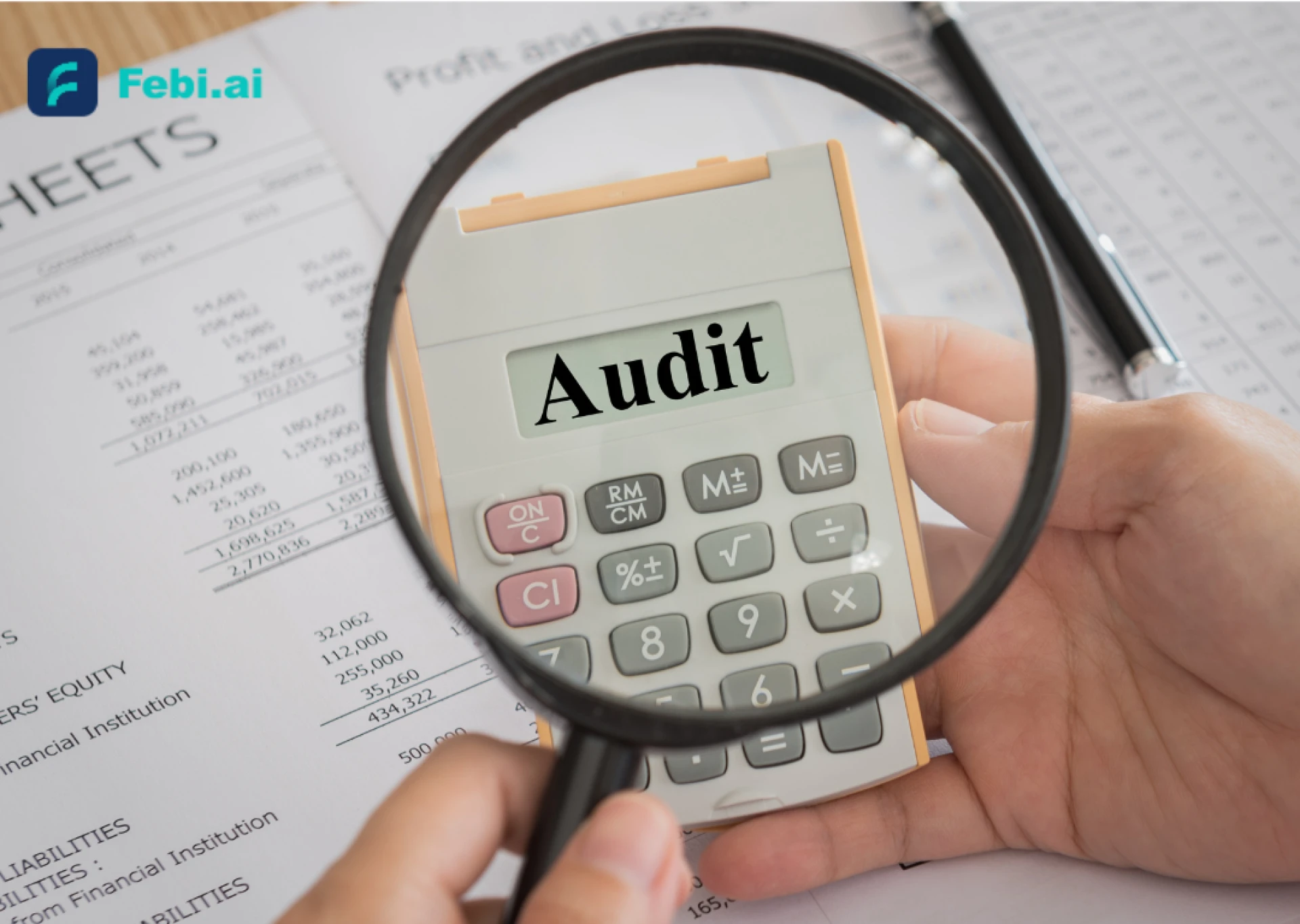

When managing a small business, ensuring that your financial and operational practices are running smoothly is key to maintaining success and growth. One way to assess and improve your business operations is through audits. But with the options of internal and external audits, it can be confusing to decide which one is right for your business. Here’s a guide to help you understand the difference between internal and external audits and how to choose the best option for your small business.

What is an Internal Audit?
An internal audit is an independent, objective evaluation conducted by employees within your organization to assess the effectiveness of your internal controls, financial systems, and risk management practices. The internal auditor is typically part of the company, though they may not be directly involved in the day-to-day financial or operational tasks. Their role is to examine processes, identify inefficiencies or weaknesses, and suggest improvements to help your business run more effectively.
Benefits of Internal Audits:
- Ongoing Assessment: Internal audits are usually conducted more frequently, allowing businesses to continuously monitor and improve internal controls and systems.
- Cost-Effective: Because internal auditors are part of your team, the cost of internal audits is often lower compared to external audits.
- Customized to Your Business Needs: Internal audits can focus on specific areas that need attention, such as inventory control, compliance, or operational efficiency.
- Proactive Risk Management: Internal auditors can help identify potential risks early on, helping you address issues before they become bigger problems.
What is an External Audit?
An external audit is an independent review conducted by an outside party, typically a certified public accountant (CPA) or auditing firm. External auditors assess your company’s financial statements to ensure accuracy, fairness, and compliance with accounting standards and regulations. Unlike internal audits, external audits are often mandated by law or requested by external stakeholders, such as investors, lenders, or regulatory bodies.
Benefits of External Audits:
- Credibility and Trust: An external audit provides an unbiased, third-party evaluation, which enhances the credibility of your financial statements. This is particularly important when seeking financing or attracting investors.
- Compliance Assurance: External auditors ensure your business complies with relevant financial reporting standards, tax laws, and regulations.
- Objective Insights: Since external auditors are not part of your business, they provide an objective, fresh perspective on your financial practices and operations.
- Detecting Fraud or Mismanagement: External auditors can uncover fraud, financial mismanagement, or discrepancies that may not be easily visible to internal employees.
How to Choose Between Internal and External Audits for Your Small Business
1. Consider the Size and Complexity of Your Business
- Small, Simple Businesses: If you’re running a small business with straightforward operations, an internal audit might be sufficient to address any potential inefficiencies or risks.
- Growing or Complex Businesses: As your business expands, or if you have complex financial dealings, external audits can provide the thorough, objective review you need to ensure financial integrity and regulatory compliance.
2. Evaluate Your Business Needs
- Internal Audits for Efficiency: If you need to focus on improving internal processes, internal audits are your best bet. They can identify inefficiencies, streamline operations, and provide ongoing improvements.
- External Audits for Compliance and Trust: If you’re looking to meet external requirements or reassure investors, lenders, or government bodies about your financial practices, an external audit is necessary.
3. Think About Cost
- Internal Audits Are More Affordable: If budget constraints are a concern, an internal audit is often more cost-effective, especially since it’s conducted by your in-house team.
- External Audits Are More Expensive: External audits tend to cost more because they involve hiring third-party experts, which may not be practical for all small businesses.
4. Determine the Required Level of Objectivity
- Internal Audits for a Collaborative Approach: If you value input from your internal team and believe that employees can help identify and solve problems, an internal audit is a good fit.
- External Audits for Independent Review: If you need an independent, unbiased review of your financial operations, an external audit is the way to go.
5. Consider Legal or Regulatory Requirements
- Some businesses, especially those publicly traded or with larger revenue, are legally required to undergo an external audit. If your business is in this category, an external audit may be mandatory.
- Smaller businesses may not have this legal requirement but may still choose to undergo an external audit for credibility or funding purposes.
Can You Do Both?
In some cases, small businesses may choose to undergo both internal and external audits. This dual approach can provide the best of both worlds: ongoing internal assessments to improve efficiency and an external audit for credibility and regulatory compliance. This approach may be particularly helpful for businesses looking to scale and grow rapidly.
Conclusion
Choosing between an internal and external audit depends on the size, complexity, and specific needs of your business. If you're looking for continuous improvement, cost efficiency, and more detailed insight into day-to-day operations, an internal audit is likely the better option. However, if you need credibility with stakeholders, regulatory compliance, or a third-party opinion on your financial health, an external audit might be necessary.
By understanding the strengths of both, you can make an informed decision that will benefit your small business in the long run.








Sign in to leave a comment.