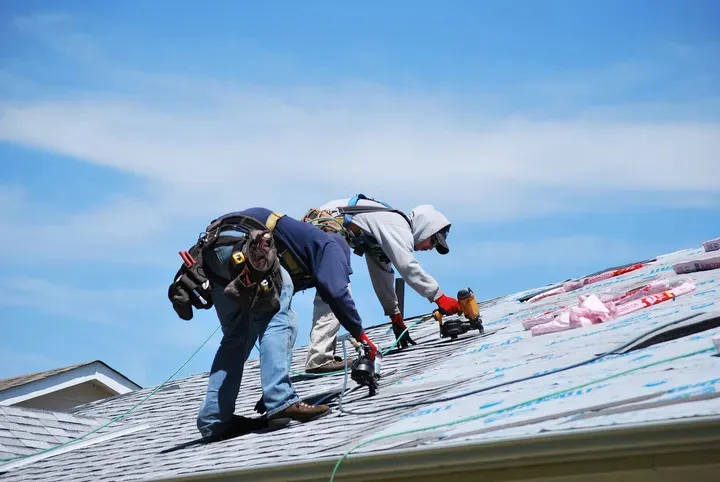


Commercial roofing decisions affect far more than the top of a building. A poor choice can lead to leaks, energy loss, tenant complaints, business interruptions, damaged inventory, and expensive repairs that could have been avoided with better planning.
For property owners in Indiana and Ohio, the decision is even more important because roofs must handle snow, ice, wind, heavy rain, humidity, and seasonal temperature swings. Choosing the right commercial roofing contractors means looking beyond price and focusing on experience, materials, communication, safety, and long-term value.
What Should You Check Before Hiring Commercial Roofing Contractors?
Start with proof of experience, licensing where required, insurance coverage, local project knowledge, and clear communication.
A contractor should be able to explain what type of roof system your building has, what condition it is in, and whether repair, restoration, or replacement makes the most sense. If the inspection feels rushed or the explanation sounds vague, that is a warning sign.
Ask about:
- Commercial roofing experience
- Flat roof and low-slope roof knowledge
- Insurance coverage
- Written estimates
- Material options
- Warranty details
- Project timeline
- Cleanup process
- Safety procedures
A roofing professional should also be comfortable explaining the difference between short-term repairs and long-term roof replacement planning, especially when the building houses tenants, employees, equipment, or customer-facing operations.
How Do You Know Which Roofing Material Is Right?
The right material depends on the building type, roof slope, drainage, budget, energy goals, and maintenance needs.
Common commercial roofing options include:
TPO Roofing
TPO is often used on flat and low-slope roofs. It is known for reflectivity, which can help with heat control during warm months.
EPDM Roofing
EPDM is a rubber roofing material often used on commercial buildings. It can perform well when installed correctly and maintained properly.
Metal Roofing
Metal roofing can offer strong durability, but installation details matter. Flashing, fasteners, seams, and expansion movement must be handled carefully.
Modified Bitumen
Modified bitumen can be a practical option for certain low-slope buildings, especially where durability and layered protection are important.
The cheapest material is not always the best choice. A good roofing service should explain how each option performs with your building’s drainage, roof access, rooftop equipment, and local weather exposure.
What Questions Help You Avoid Roofing Mistakes?
Ask direct questions before signing anything.
- What problem did you find during the inspection?
- Can this roof be repaired, or does it need replacement?
- What material do you recommend and why?
- How will drainage be handled?
- What areas are most likely to fail first?
- What is included in the warranty?
- What happens if hidden damage is found?
- Who supervises the project?
- How will the site be protected during work?
Experienced contractors, including Faze Construction, often recommend that property owners understand the inspection findings before comparing estimates. Price only makes sense when you know what each contractor is actually including.
Why Does Local Experience Matter in Indiana and Ohio?
Local experience matters because roofs in Indiana and Ohio face changing weather throughout the year.
A roof may deal with freezing temperatures in winter, strong winds in spring, humid summers, and heavy rain in fall. These conditions affect material choice, ventilation, drainage, flashing, and maintenance planning.
A roofing construction company familiar with local conditions is more likely to consider:
- Ice and snow load
- Wind exposure
- Gutter performance
- Storm damage risks
- Drainage issues
- Building code expectations
- Seasonal installation timing
This is also why exterior components should not be viewed separately. A roof, gutter system, siding, windows, and wall flashing all work together to protect the building.
How Can You Compare Roofing Estimates Fairly?
Do not compare estimates by total price alone. Compare the scope of work.
A detailed estimate should explain:
- Existing roof condition
- Tear-off or overlay plan
- Materials
- Labor
- Flashing details
- Drainage improvements
- Warranty coverage
- Cleanup
- Timeline
- Payment terms
A low estimate may leave out important work such as insulation repair, flashing replacement, decking repairs, roof-edge details, or drainage improvements. A higher estimate may include better materials, stronger warranties, or more complete preparation.
The goal is not to choose the most expensive contractor. The goal is to understand what you are paying for.
When Should Exterior Remodeling Be Planned With Roofing?
Exterior remodeling should be planned with roofing when siding, gutters, windows, or structural details affect water control.
For example, a siding company may need to coordinate with the roofer if wall flashing, trim, or moisture barriers are involved. A remodeling contractor may also need to coordinate roofing details during additions, commercial remodeling, or major exterior upgrades.
This matters because water often enters through connection points, not just through the roof surface. Roof edges, wall intersections, chimneys, vents, gutters, and siding transitions all need attention.
Builders and remodelers who look at the whole exterior system can often prevent future problems.
What Role Does Maintenance Play After Installation?
Maintenance protects your investment after the roof is installed.
Commercial roofs should be inspected regularly, especially after storms or extreme weather. Small problems can turn into expensive repairs if they are ignored.
Maintenance should include:
- Checking seams
- Clearing drains
- Inspecting flashing
- Looking for ponding water
- Checking roof penetrations
- Reviewing rooftop HVAC areas
- Removing debris
- Reviewing interior ceiling stains
- Inspecting gutters and downspouts
A roofing professional can help identify early warning signs before they affect tenants, employees, inventory, or equipment.
How Do Remodeling Skills Support Better Roofing Decisions?
Commercial roofing often connects with broader property improvement decisions.
A remodeling professional may notice layout, drainage, ventilation, or structural issues that affect the roof. Bathroom remodel contractors, kitchen remodelers, and exterior contractors may also uncover moisture concerns during interior or exterior work.
This is why many property owners prefer contractors who understand more than one trade. Companies like Faze Construction work across roofing, siding, gutters, windows, and remodeling, which can help property owners think about the building as a complete system.
What Red Flags Should Property Owners Watch For?
Be cautious if a contractor:
- Refuses to provide a written estimate
- Cannot explain the materials
- Pressures you to decide immediately
- Avoids warranty questions
- Has unclear insurance information
- Gives vague timelines
- Does not inspect the roof carefully
- Offers a price that seems unusually low
- Cannot explain drainage or flashing details
- Does not discuss how business operations will be protected
A trustworthy contractor should educate you, not pressure you.
How Can You Make the Final Decision With Confidence?
Choose the contractor who explains the roof clearly, provides a detailed scope, understands local conditions, and gives realistic expectations.
Before signing, review the estimate, warranty, materials, schedule, and payment terms. Make sure you understand what is included and what could change if hidden damage is found.
The right commercial roofing contractor should help you protect the building, reduce future repair risks, and make a smart long-term investment.
FAQs
How often should a commercial roof be inspected in Indiana or Ohio?
Most commercial roofs should be inspected at least once or twice a year, plus after major storms, heavy wind, hail, or visible leaks.
Is roof repair better than full replacement?
Repair may work for isolated damage. Replacement may be better when the roof has widespread leaks, aging materials, poor drainage, or repeated failure points.
What is the biggest mistake property owners make when hiring roofers?
The biggest mistake is choosing by price alone without comparing materials, scope of work, warranty coverage, and inspection quality.
Can siding and gutters affect commercial roof performance?
Yes. Poor siding transitions, clogged gutters, and weak drainage can push water back toward the roof and building envelope.
Should I ask for multiple commercial roofing estimates?
Yes. Multiple estimates help you compare recommendations, pricing, materials, timelines, and the level of detail each contractor provides.
























Sign in to leave a comment.