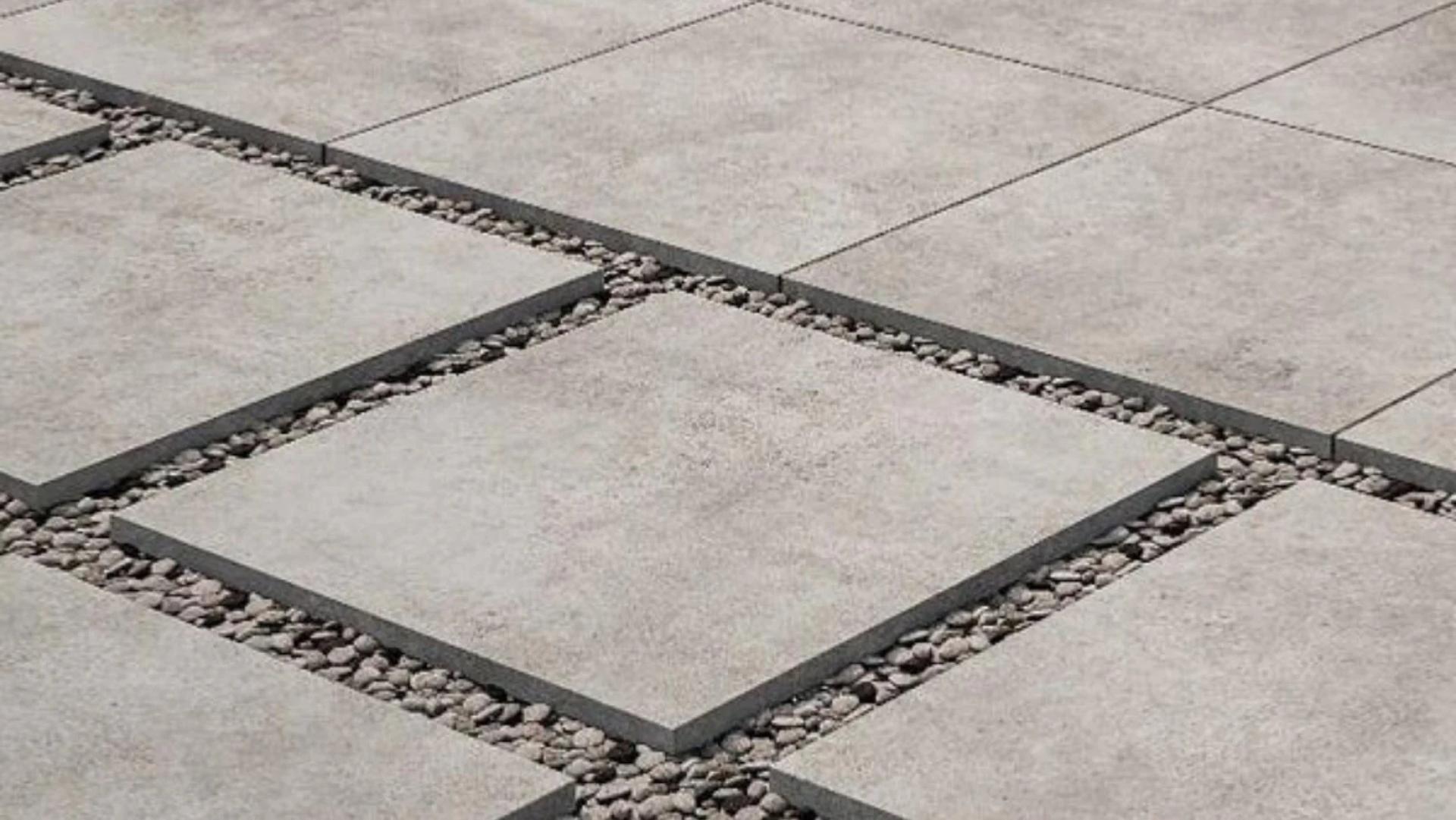

Outdoor spaces have become the new living rooms of modern homes — whether it’s a cosy garden patio, a sleek driveway, or an alfresco dining spot. But here’s the catch: your outdoor flooring needs to do more than just look good. It must handle the unpredictable UK weather, resist heavy foot traffic, and stay beautiful for years.
That’s exactly where outdoor porcelain tiles come in - durable, elegant, and weather-proof. If you’re looking to buy outdoor porcelain tiles in London, knowing what to look for can make all the difference between a stylish yet lasting surface and one that fades or cracks within a year.
Let’s dive into how you can pick outdoor tiles that truly stand up to the British elements — rain, frost, and all.
What Makes Outdoor Tiles Different from Indoor Tiles
At first glance, you might think tiles are tiles — just pick a colour and you’re done, right? Not quite. Outdoor tiles are built differently. They’re thicker, denser, and often textured to resist slips and withstand temperature changes. While indoor tiles focus on aesthetics and smooth finishes, outdoor tiles are engineered for durability and grip.
Porcelain and ceramic are the two most popular options. Outdoor porcelain tiles are fired at higher temperatures, making them non-porous, frost-resistant, and less likely to absorb water. On the other hand, ceramic outdoor tiles can be a great budget-friendly alternative for light-use areas, offering style and ease of maintenance.
The main goal is to find a tile that looks great while performing under pressure — literally.
Why Porcelain Is the Go-To Material for Outdoor Spaces
Porcelain has become the king of outdoor tiling, and for good reason. It’s hardwearing, fade-resistant, and almost maintenance-free. Unlike natural stone, it doesn’t need constant sealing, and it maintains its appearance through years of exposure to rain or sunlight.
If you’re planning a patio, garden path, or poolside, outdoor porcelain garden tiles provide that luxurious yet low-maintenance finish. They’re available in endless styles — stone effect, wood effect, concrete finishes — giving you the look you want without the upkeep.
For driveways or high-traffic areas, porcelain’s high load-bearing capacity ensures it won’t chip or crack easily. Combine that with its anti-slip surface, and you’ve got a tile that’s not only stylish but safe all year round.
Choosing Between Porcelain and Ceramic Outdoor Tiles
While porcelain leads the pack in terms of durability, ceramic outdoor tiles have their own charm. If your area doesn’t experience extreme weather or heavy use — like a balcony or a covered patio — ceramic tiles can offer beautiful designs at a more affordable price point.
However, porcelain wins when it comes to performance. Its water absorption rate is below 0.5%, which means it can survive frost, rain, and even mild snow without cracking. Ceramic, being more porous, may not fare as well in constantly wet or cold environments.
In short:
- Go for porcelain when you want longevity and all-weather performance.
- Choose ceramic when your focus is design versatility in sheltered spaces.
Either way, both materials have advanced significantly in finish and texture, meaning you can achieve virtually any aesthetic — from rustic stone to sleek marble — with outdoor-rated tiles.
How to Pick Outdoor Tiles That Handle Weather Like a Pro
When it comes to outdoor spaces, you don’t want to gamble on guesswork. Here’s how to make sure your tiles won’t betray you after the first winter.
1. Check for Weather Resistance
Not all tiles are made equal. Ensure your choice is rated for outdoor use — this guarantees it can handle moisture, UV rays, and temperature swings.
2. Look for Anti-Slip Ratings
Safety first. Outdoor tiles should have a textured surface or an R-rating (R11 or above) for grip, especially in areas that get wet like garden paths or pool decks.
3. Evaluate Thickness and Density
Outdoor porcelain tiles typically come in 20mm thickness, ideal for patios and driveways. Thicker tiles provide better stability and impact resistance.
4. Consider the Finish
For driveways or high-footfall areas, go for Scratch-Resistant Tiles that can withstand shoes, furniture movement, or garden equipment. Glossy finishes might look fancy but can be slippery and prone to wear.
5. Don’t Ignore Aesthetics
Your outdoor tiles should complement your home’s exterior style — whether you’re going for a natural stone look, minimalist concrete effect, or warm wooden tones. The right tile ties your indoor and outdoor designs together seamlessly.
Understanding the Importance of Scratch Resistance
Outdoor flooring often takes more abuse than indoor areas — think garden tools, patio furniture, or even pets. That’s why opting for Scratch-Resistant Tiles is a smart long-term move. These tiles are built with a hard glaze surface that prevents marks and keeps your patio looking new, even after years of use.
For instance, porcelain paving slabs with a matte finish are highly scratch-resistant and easy to clean. Unlike stone, which can show wear and tear over time, porcelain keeps its polish and texture intact. This makes it ideal for families, entertaining spaces, and anyone who doesn’t want to constantly maintain their flooring.
How to Choose Colours and Styles for Outdoor Porcelain Garden Tiles
A well-chosen tile can completely redefine your outdoor area. Here’s how to match design with practicality:
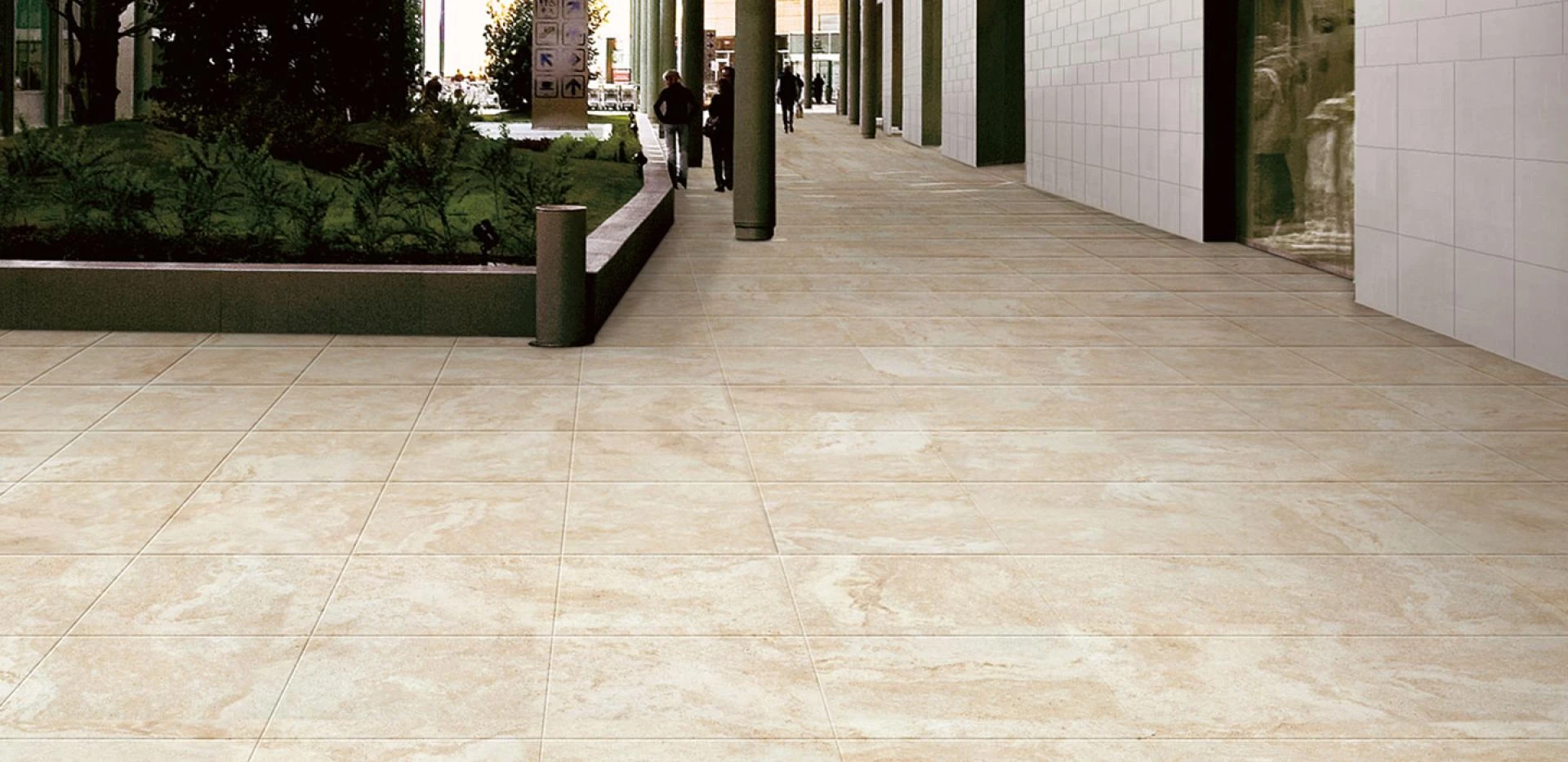
- Light Shades: White, cream, and beige porcelain tiles make small patios feel more spacious and airy.
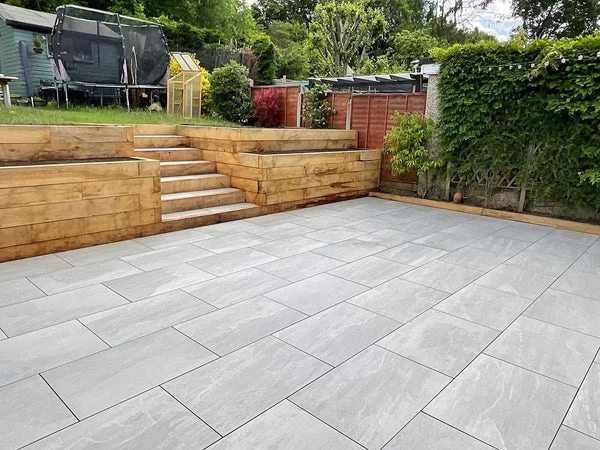
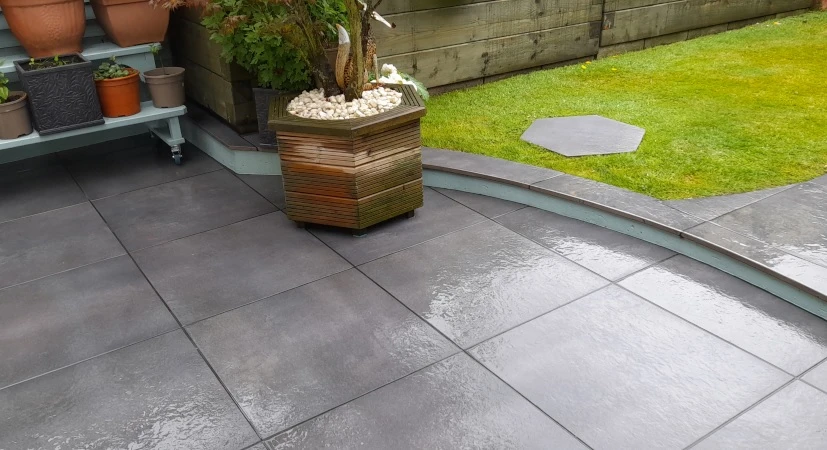
- Darker Tones: Grey and charcoal are trending choices for modern homes, offering a sophisticated contrast against greenery.
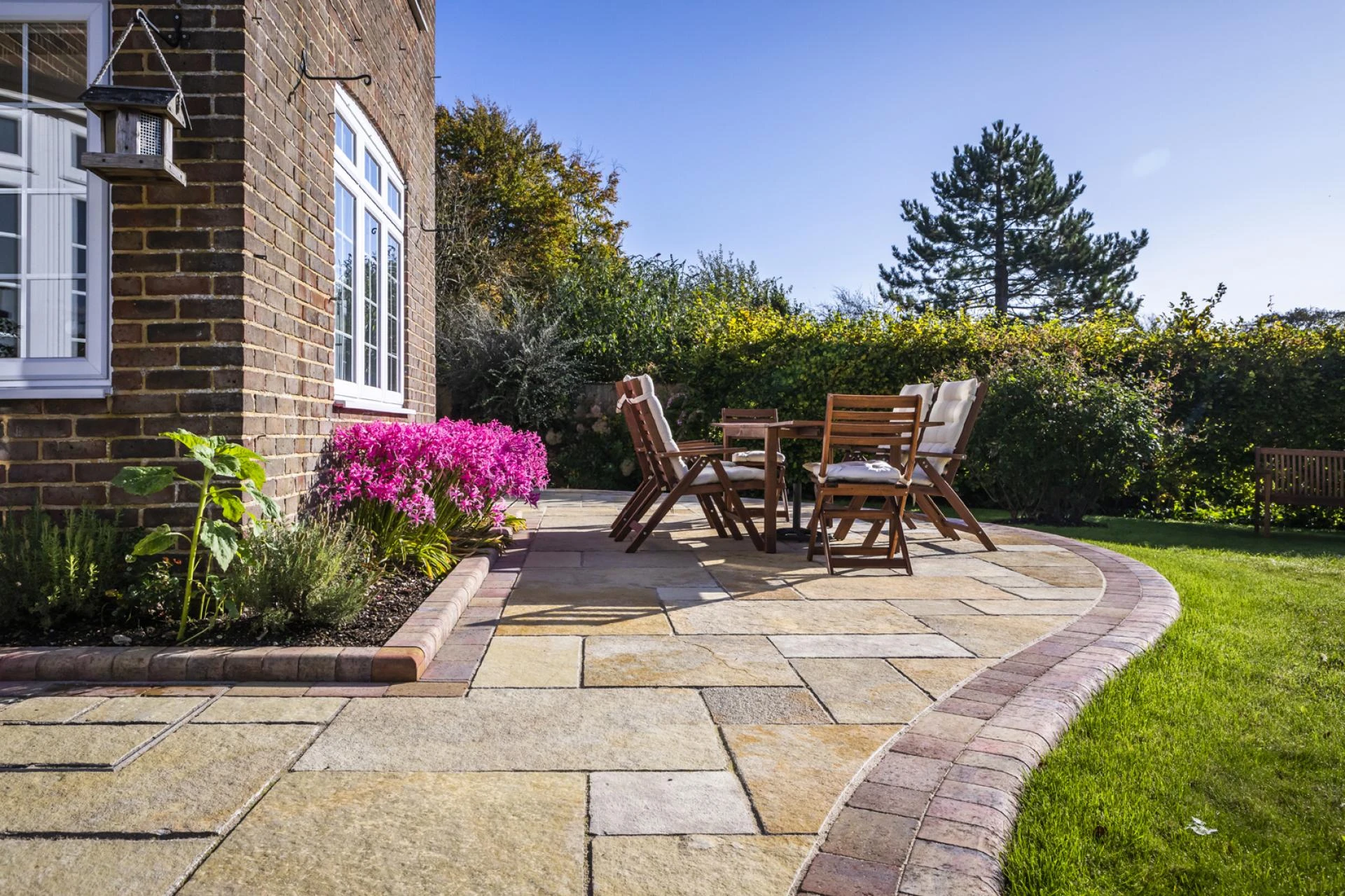
- Natural Stone Look: Perfect if you want rustic charm with the durability of porcelain.
- Wood Effect Tiles: Combine the warmth of timber with the durability of tiles — great for decks or lounging zones.
Texture also plays a role. Rougher finishes provide grip and hide dirt better, while smoother surfaces look sleek but require more upkeep.
Maintenance Tips to Keep Outdoor Tiles Looking Brand New
Outdoor tiles are relatively low-maintenance, but a little care goes a long way in extending their lifespan.
- Regular Sweeping: Prevent dirt or debris buildup that could scratch the surface.
- Pressure Washing: A quick wash every few months keeps tiles free from moss or grime.
- Regrouting When Needed: Over time, grout lines may wear — reapplying them keeps your tiles looking crisp.
- Seal Where Necessary: Porcelain often doesn’t require sealing, but ceramic or natural stone variants benefit from occasional sealing for added protection.
With these small steps, your tiles will keep their strength and beauty for many years.
When and Where to Use Outdoor Porcelain and Ceramic Tiles
Not all outdoor areas have the same needs. Here’s a quick guide on placement:
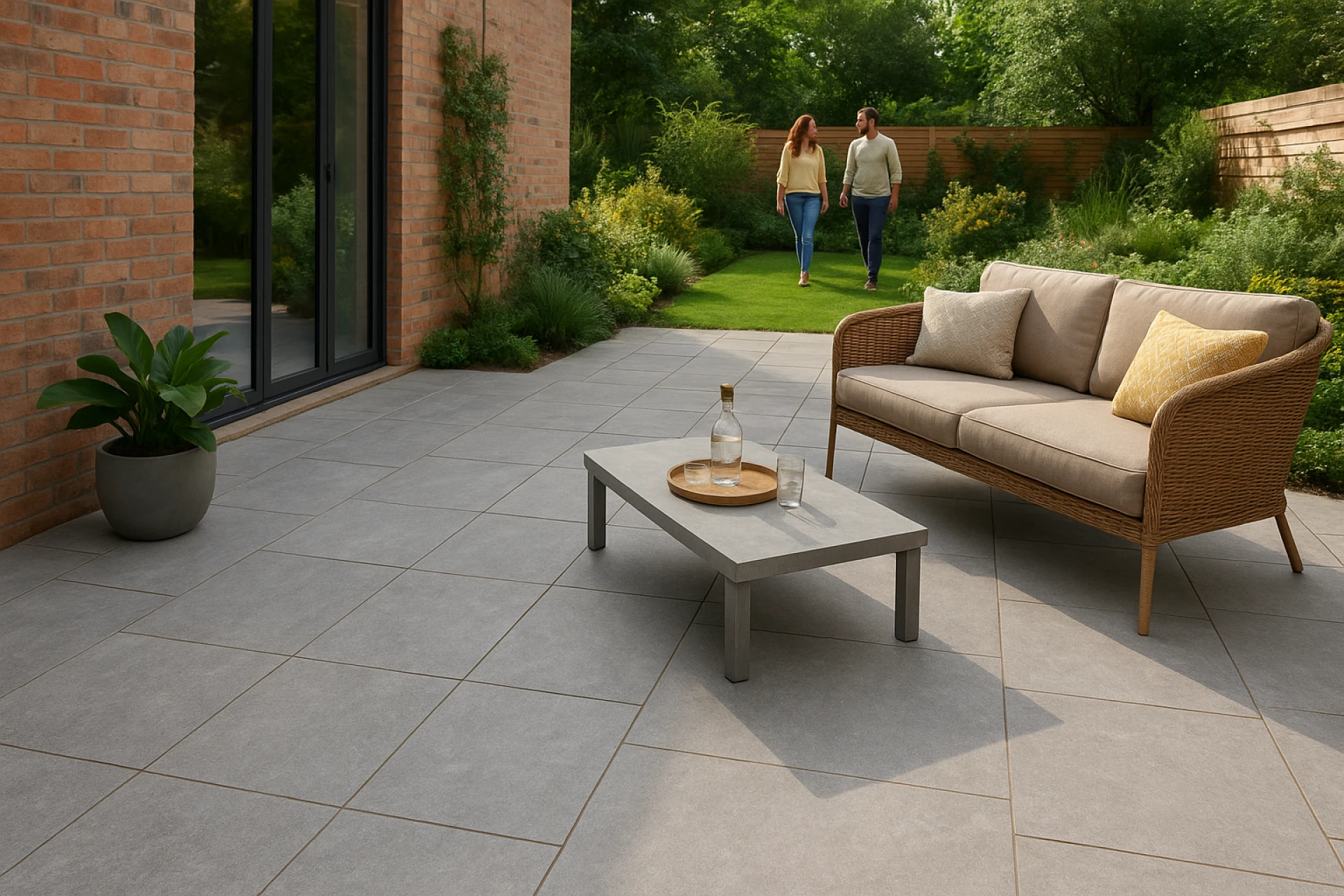
- Patios & Gardens: Porcelain paving slabs are perfect here. They resist moisture and offer a non-slip surface.
- Driveways: Go for thicker, load-bearing porcelain slabs designed for vehicle weight.
- Balconies & Terraces: Ceramic outdoor tiles add elegance without overloading the structure.
- Pool Surrounds: Anti-slip outdoor porcelain garden tiles provide safety and style in wet areas.
Each space demands a balance of aesthetics, durability, and safety — so choose based on both look and load.
Common Mistakes People Make When Buying Outdoor Tiles
- Ignoring Slip Ratings: Glossy tiles might look great indoors, but outdoors they’re a hazard when wet.
- Choosing Indoor Tiles for Outdoor Use: They’ll absorb water, crack, and fade quickly.
- Neglecting the Substrate: Even the best tile fails on a poor base. Always ensure proper installation and drainage.
- Overlooking Maintenance Needs: Some natural-look tiles require sealing — skipping it leads to early wear.
Being aware of these pitfalls can save you thousands in repairs and replacements down the line.
Expert Tips from Tile Professionals
Tile experts often recommend choosing outdoor tiles based on function first, design second. Porcelain remains the all-around champion — it balances strength, low maintenance, and visual appeal. Professionals also advise using tiles with rectified edges for seamless joints and a clean look.
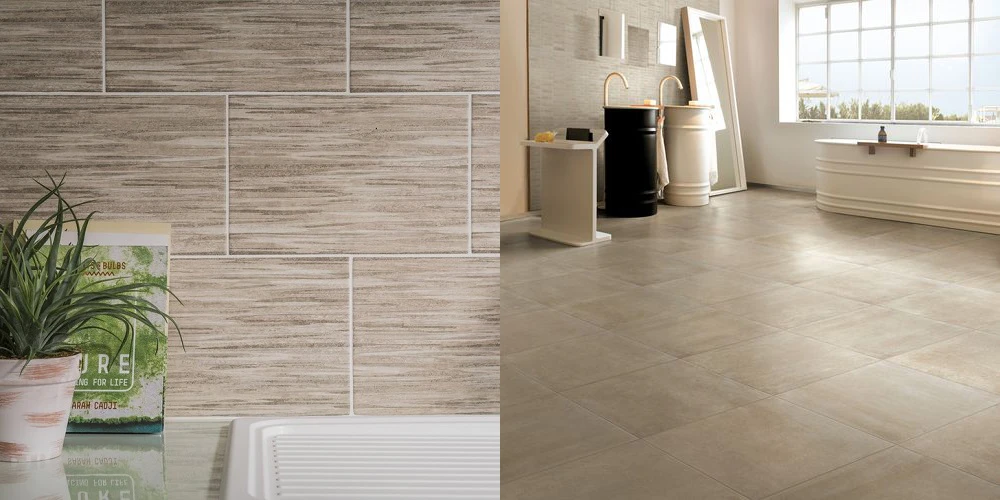
Many outdoor tiles shop professionals also recommend combining porcelain tiles with matching indoor designs to create a continuous indoor-outdoor flow — perfect for open-plan living.
Why Outdoor Tiles Are a Smart Investment
Outdoor tiling isn’t just about beautification — it’s a solid investment in your property. Quality outdoor tiles increase curb appeal, enhance outdoor usability, and add long-term value to your home. Plus, with eco-friendly manufacturing now a trend, many porcelain paving slabs are made using sustainable materials and energy-efficient processes, making them both stylish and environmentally conscious.
Final Thoughts: Where to Find the Best Outdoor Tiles for Your Home
Whether you’re revamping your garden, patio, or driveway, choosing tiles that combine durability, design, and low maintenance is key. Outdoor porcelain garden tiles give you the perfect mix of modern style and longevity, while ceramic alternatives cater to more decorative areas.
If you’re ready to transform your space, explore your options at a trusted Outdoor Tile Store in London that offers a range of porcelain and ceramic outdoor tiles suited for every home style. From weather resistance to scratch protection, make your outdoor flooring an extension of your home’s elegance — built to last and designed to impress.











Sign in to leave a comment.