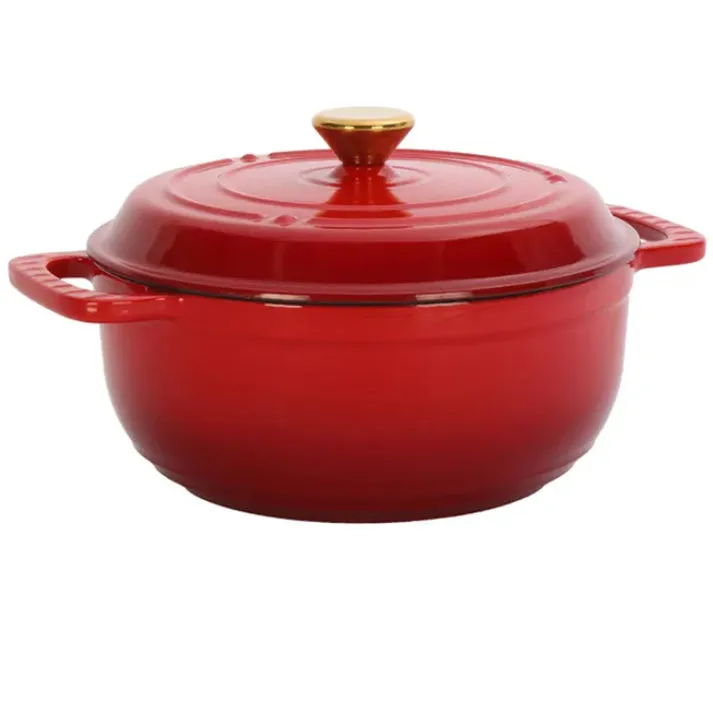

Cooking at home works best when the right tools are within reach. A good meal does not depend only on the recipe; it depends on the pots, pans, and small tools that make the process smooth from start to finish. Many home cooks focus on buying a stove or a refrigerator but forget that the smaller items in a kitchen often decide how enjoyable cooking actually is. This is where Cookware accessories come into the picture, offering practical solutions for everyday meals, weekend baking, and quick weekday dinners alike.
This guide walks through what to look for, how to pick items that match your cooking habits, and why pairing your pots and pans with the right extras makes daily cooking simpler and less stressful.
Why Every Kitchen Needs the Right Cookware Accessories
A kitchen filled with mismatched tools often leads to wasted time. Searching for a lid that fits, a spatula that does not scratch a nonstick pan, or a trivet to protect the counter can slow down even a simple meal. Buying a matched set of Cookware accessories solves this problem by giving every pot, pan, and utensil a clear purpose.
Beyond convenience, these tools also affect food quality. A pan with poor heat distribution can burn food on one side while leaving the other undercooked. A dull knife makes prep work slower and less safe. A missing lid means moisture escapes, changing how rice, soups, and sauces turn out. Choosing tools built for daily use, rather than one-off gadgets, is what separates a kitchen that works well from one that constantly needs a workaround.
For anyone setting up a new kitchen or replacing worn-out pieces, the goal should be simple: gather premium cookware accessories for everyday cooking that hold up to regular use without needing constant replacement.
What to Look for Before You Buy Cookware Accessories
Not every pot or pan is built the same way, and price alone does not tell the full story. Before adding anything to a cart, it helps to check a few practical details:
- Material quality – Stainless steel, cast iron, and granite-coated nonstick surfaces each behave differently under heat. Knowing how a material reacts to oil, acid, and high temperatures prevents warping and food sticking.
- Handle design – Handles that stay cool during stovetop cooking reduce the risk of burns and make lifting heavy pots safer.
- Lid fit – A tight, well-sealed lid keeps moisture in, which matters for soups, stews, and rice dishes.
- Induction compatibility – Many modern stoves run on induction heat, so checking whether a pan works with that type of cooktop avoids a frustrating return.
- Oven-safe ratings – Cookware that can move from stovetop to oven adds flexibility for recipes that need both.
Checking these points before checkout saves money in the long run, since well-made pieces tend to outlast cheaper alternatives by several years.
Non-Stick vs Stainless Steel vs Cast Iron: Which Fits Your Cooking Style
Choosing between cookware materials often comes down to how someone cooks on a regular basis.
Nonstick pans work well for eggs, pancakes, and delicate fish, where sticking is a common problem. They also require less oil, which some cooks prefer for lighter meals. The tradeoff is that nonstick coatings wear down over time and need gentler utensils, such as silicone or wooden tools, to avoid scratching.
Stainless steel holds up to high heat and metal utensils, making it a solid choice for searing meat or making pan sauces. It does not react with acidic ingredients like tomatoes or wine, which can be a problem with some other materials. Cleanup takes a bit more effort, but the durability often makes up for it.
Cast iron retains heat exceptionally well and can move from stovetop to oven without issue. It is a favorite for slow-cooked dishes, roasts, and even baking cornbread. Cast iron does need regular seasoning to maintain its surface, but with basic care, a single piece can last for decades.
Many home cooks end up with a mix of all three, using each material for the dishes it handles best. A 19-piece granite nonstick set might sit alongside a cast iron pot for stews, giving a kitchen the flexibility to handle almost any recipe.
Modern Kitchen Accessories That Complete Your Setup
Pots and pans are only part of a functional kitchen. Rounding out a cooking space with Modern Kitchen Accessories helps bring everything together, from prep to plating. Items such as measuring tools, cutting boards, mixing bowls, and utensil holders keep a kitchen organized and reduce clutter on the counter.
Small additions also change how a kitchen feels day to day. Oven mitts with long cuffs protect forearms when pulling hot trays from the oven. Silicone trivets protect countertops from scorch marks. A dish drying mat keeps a sink area tidy after washing up. None of these items are large purchases, but together they make a kitchen run more smoothly.
For anyone updating a kitchen room by room, starting with a core set of pots and pans, then adding Modern Kitchen Accessories as needed, tends to work better than buying everything at once. This approach also makes it easier to spot which tools actually get used and which ones sit unused in a drawer.
Bakeware and Baking Tools Worth Adding to Your Kitchen
Baking calls for a different set of tools than stovetop cooking. A cookie sheet, muffin pan, loaf pan, and square cake pan cover most home baking needs, from weeknight desserts to holiday meals. Carbon steel bakeware, in particular, holds up well to repeated oven use and tends to brown baked goods evenly.
For anyone who bakes bread, pizza, or roasted vegetables often, a nonstick baking tray with raised edges helps contain drips and juices, keeping the oven cleaner. Stackable bakeware sets also save cabinet space, which matters in smaller kitchens where storage is limited.
Pairing bakeware with the right tools, such as silicone baking mats or cooling racks, extends how these items can be used. A muffin pan is not just for muffins; it also works for individual portions of meatloaf or baked eggs, giving one purchase multiple uses across different meals.
Storage and Organization Tips for a Clutter-Free Kitchen
Even the best pots and pans lose their value if they are hard to store. Stackable cookware sets, pot racks, and lid organizers keep cabinets tidy and make it easier to find the right piece without digging through a pile of mismatched items.
A few practical storage habits make a noticeable difference:
- Store pots and pans with a cloth or felt liner between them to prevent scratches on nonstick surfaces.
- Hang frequently used pans on a rack to save cabinet space and keep them within easy reach.
- Group lids separately in a vertical organizer rather than stacking them loosely.
- Keep baking sheets and cutting boards upright in a slotted holder to prevent bending or warping.
Good storage also protects the investment made in quality cookware. Scratched nonstick coatings and dented pots often result from careless stacking rather than actual cooking wear, so a small change in storage habits can add years to a set's usable life.
How to Maintain Your Cookware for Long-Lasting Performance
Maintenance routines vary by material, but a few general habits apply across most kitchens. Washing pans by hand, rather than relying only on a dishwasher, tends to preserve nonstick coatings longer. Avoiding metal utensils on nonstick surfaces prevents scratches that shorten a pan's lifespan.
For cast iron, drying the pan fully after washing and applying a thin layer of oil prevents rust. Stainless steel benefits from occasional deep cleaning with a paste of baking soda and water to remove stuck-on residue without scratching the surface.
It also helps to check handles and screws periodically, since loose handles on pots and pans can become a safety issue over time. A quick tightening with a screwdriver is a small task that prevents accidents in a busy kitchen.
Following basic care steps keeps cookware performing the way it did on day one, which matters more than the initial purchase price when it comes to long-term value.
Where to Find Quality Cookware Accessories Online
Shopping online for kitchen tools makes it easier to compare materials, sizes, and prices without visiting multiple stores. Look for listings that clearly state the material, dimensions, and whether a piece is induction-compatible or oven-safe, since missing details often signal lower-quality manufacturing.
Reading product descriptions carefully also helps set expectations. A set labeled as dishwasher safe should be able to handle repeated washes without losing its coating, and a stated heat resistance range should match the type of cooking planned for it. Reviews from other buyers can offer a practical look at how a product performs after regular use, beyond what a product photo shows.
Building a kitchen with a full range of Cookware accessories does not need to happen in a single purchase. Many shoppers start with a core cookware set and gradually add bakeware, storage tools, and gadgets as their cooking habits grow. This step-by-step approach also makes it easier to notice which tools actually earn a permanent spot in the kitchen.
Building a Kitchen That Fits Daily Life
Every household cooks differently, which is why there is no single list of tools that works for everyone. A household that cooks mostly one-pan meals on weeknights has different needs than one that bakes on weekends or hosts larger gatherings. Taking stock of actual cooking habits, rather than following a generic checklist, leads to a kitchen setup that gets used rather than one that sits in a cabinet.
It also helps to think about a kitchen as a space that changes over time. A first apartment might only need a few basic pieces, while a family kitchen may need larger pots, more bakeware, and additional storage solutions as cooking needs grow. Buying in stages, rather than all at once, allows room to adjust based on what actually gets used in day-to-day cooking.
Taking the time to research materials, check compatibility with a specific stovetop, and read through product details before buying pays off well beyond the first few uses. A thoughtful approach to selecting cookware and kitchen tools results in a space that supports cooking rather than complicating it, meal after meal.
Final Thoughts
A well-equipped kitchen is built from small, practical choices rather than one large purchase. Picking the right materials, checking for induction and oven compatibility, and rounding out a set with useful extras all add up to a space that supports daily cooking without extra hassle. Whether the goal is a full cookware set, a few pieces of bakeware, or small tools that keep a kitchen organized, focusing on quality and everyday usefulness pays off over time.
For home cooks looking to update their kitchen, starting with a dependable cookware set and adding useful extras step by step is a practical way to build a space that works for real, everyday meals.





























Sign in to leave a comment.