
Introduction
If you're lucky enough to have a beach house, you know that it's a special place to relax and enjoy time with family and friends. But when it comes to choosing the best flooring for a beach house, you might be feeling a little overwhelmed. With so many options on the market, how do you choose the right one for your home?
Don't worry; we're here to help. In this blog post, we'll discuss different flooring materials that are popular for beach houses and offer tips on choosing the best option for your home. We'll also provide some maintenance and cleaning tips to keep your floors looking beautiful for years to come.
Different Flooring Materials for Beach Houses.
Wood Flooring
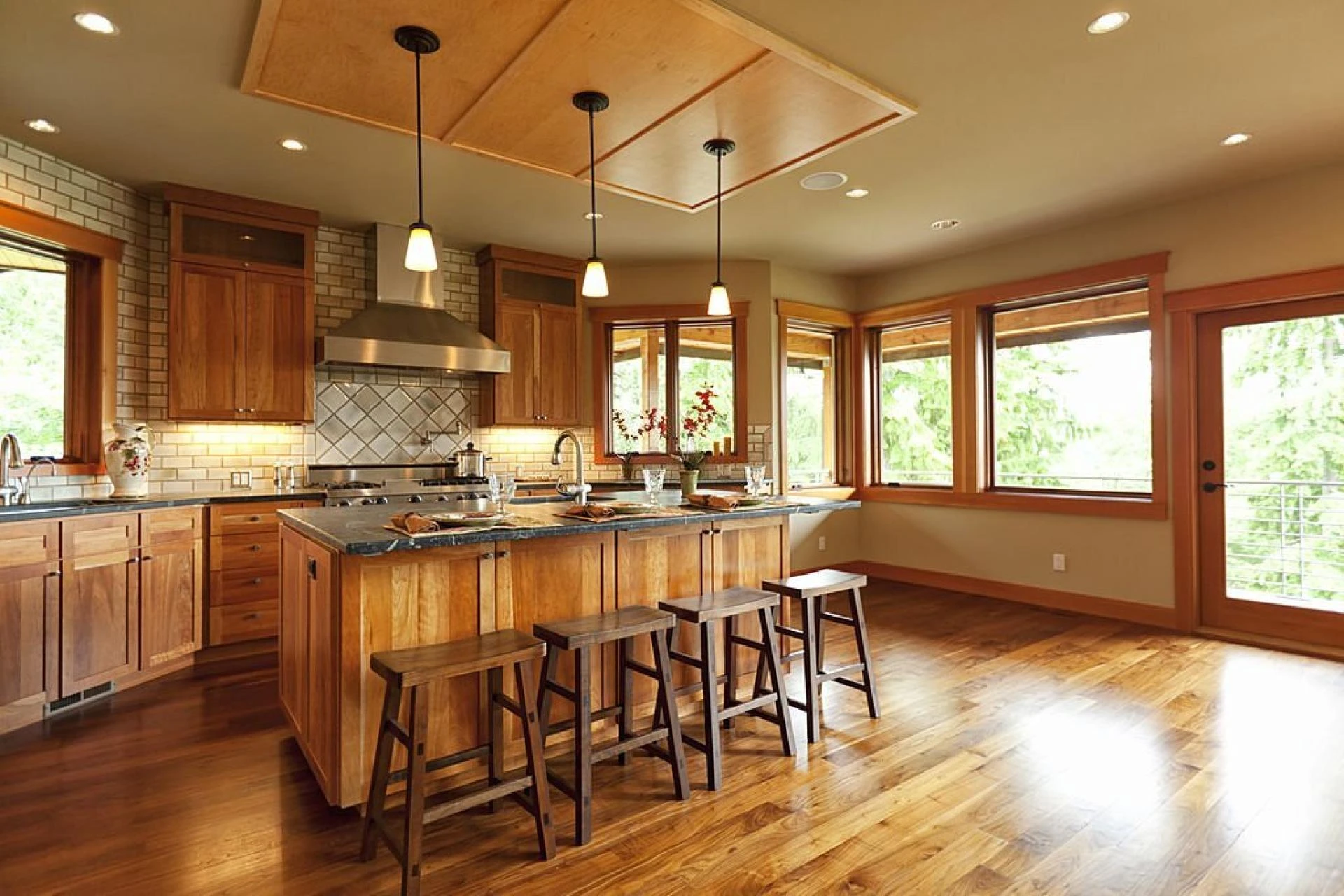
Wood is a classic flooring material that can give any beach house a warm and inviting atmosphere. There are many wood flooring types, including hardwoods like oak and maple and softwoods like pine and cedar. Wood floors are easy to clean and maintain, but they can be scratched or damaged by water or sand.
Tile Flooring
Tile is a popular choice for beach houses because it is durable and easy to clean. Tile comes in various materials, including ceramic, porcelain, and natural stone. It can be used on floors, walls, and countertops, making it a versatile option for beach homes. The tile is resistant to water and humidity, making it ideal for wet climates.
Linoleum or Vinyl Flooring
Linoleum or vinyl flooring is another good option for beach houses. It is available in various colors and patterns, making it easy to find a style that fits your home's décor. Linoleum or vinyl floors are easy to clean and maintain, but they can be damaged by water or sand.
Carpet Flooring
Carpet is not typically considered a good flooring choice for beach houses due to its propensity to hold dirt, dust, and sand. However, carpet has come a long way in recent years with the development of new fibers and finishes that make it more resistant to stains and dirt accumulation. Carpet is also softer and warmer than other flooring options, making it ideal for homes in cooler climates.
Engineered Timber
Engineered timber flooring consists of layers of natural wood glued together under high pressure to create a strong board that is less likely to warp or cup than solid hardwood boards. Engineered timber comes in various wood species, colors, widths, lengths, thicknesses, finishes, and textures. It can be installed over concrete slabs, plywood subfloors, and even existing hard surface floors.
Consider the Climate When Choosing Flooring for a Beach House.
Hot and Humid Climates
When choosing to floor for a beach house in a hot and humid climate, it is essential to consider materials that will not be damaged by moisture or humidity. Wood floors, for example, can warp and crack in high-humidity environments. Tile flooring is a good option for hot and humid climates, as it is impervious to moisture and can be cooled with air conditioning. Linoleum or vinyl flooring is also a good choice for hot and humid climates, as it is resistant to moisture and can be cleaned easily. Carpet flooring should be avoided in hot and humid climates, as it can mildew and stain easily.
Cool Climates
When choosing flooring for a beach house in a cool climate, it is essential to consider materials that the elements will not damage. Wood floors, for example, can shrink and expand in cold temperatures, causing gaps between the boards. Tile flooring is a good option for cool climates, as it is impervious to temperature changes and can be heated with radiant flooring. Linoleum or vinyl flooring is also a good choice for cool climates, as it is resistant to temperature changes and can be cleaned easily. Carpet flooring should be avoided in cool climates, as it can shrink and wrinkle in cold temperatures.
Wet Climates
When choosing flooring for a beach house in a wet climate, it is essential to consider materials that will not be damaged by water or moisture. Wood floors, for example, can warp and swell in high-moisture environments. Tile flooring is a good option for wet climates, as it is impervious to water damage and can be sealed against leaks. Linoleum or vinyl flooring is also a good choice for wet climates, as it is resistant to water damage and can be cleaned easily. Carpet flooring should be avoided in wet climates, as it can mildew and stain easily.
Consider the Activities That Will Take Place in the Beach House.
Indoor Activities
When choosing the best flooring for a beach house, it is essential to consider the indoor activities that will take place. For example, if the beach house is used as a rental property, it is important to choose durable flooring that can withstand heavy foot traffic. Tile and linoleum are good rental property options because they are easy to clean and maintain. Carpet may also be an option, but choosing a stain-resistant variety that can be easily cleaned is essential.
Outdoor Activities
Another thing to consider when choosing to floor for a beach house is the outdoor activities that will take place. If the beach house is in a location with a lot of sand, it is essential to choose a flooring material that can resist sand damage. Wood floors are a good option for sandy locations because they can be sanded and refinished if they become damaged. Tile and linoleum are also suitable for sandy locations because they are easy to sweep and clean.
Maintenance and Cleaning of Beach House Flooring.
Regular Maintenance
It is important to sweep or vacuum beach house floors regularly to prevent dirt and sand from being ground into the floor's surface. This will help prolong the floor's life and keep it looking its best. In addition, floors should be mopped regularly with a mild cleanser to remove any build-up of salt or sand.
Cleaning Up Spills and Stains
Floors in beach houses are susceptible to spills and stains, so it is essential to clean them up as soon as possible. Saltwater, sunblock, and other typical beach house substances can damage floors if they are not cleaned up quickly. For this reason, it is vital to have a supply of cleaning products on hand at all times.
Conclusion
When choosing to floor for a beach house, it's essential to consider the climate, the activities that will take place in the house, and the maintenance and cleaning requirements. Wood flooring is a good option for indoor activities in cool climates, while tile or linoleum is better for outdoor activities in hot or humid climates. Carpet may be a good choice for indoor activities in wet climates. Whichever type of flooring you choose, be sure to follow the manufacturer's recommendations for regular maintenance and cleaning.








Sign in to leave a comment.