

A solid pressing station is the backbone of any strength program, and picking the right one changes how safely and effectively you train. Whether you are outfitting a garage setup or a full commercial facility, this guide breaks down what separates a good bench from a great one, what to check before you buy, and how to match a bench to your training goals. By the end, you should be able to walk into a showroom or browse an online catalog and know exactly what specifications matter for your lifting style.
What Makes an Olympic-Style Bench Different From a Standard One
A basic flat bench works fine for light dumbbell work, but once barbell training and heavier loads enter the picture, the equipment needs to change. Olympic bench presses are built with longer pads, wider bases, and reinforced frames specifically designed to handle Olympic-sized plates and full-size barbells safely. The extra length gives lifters more room to set up properly under the bar, while the wider footprint adds stability during heavy presses, arches, and leg drive.
Most units in this category also come with built-in weight peg holders, letting you load and unload plates without walking across the room, and many models shift between flat, incline, decline, or seated positions on a single frame. This adjustability turns a single piece of equipment into a station for chest presses, shoulder work, and even core training, which matters a great deal when floor space is limited.
The term "Olympic" in this context refers to plate and sleeve sizing rather than competition use. A press bench built to Olympic specifications accepts two-inch sleeve plates, matching the standard used by most home and commercial barbells sold across the United States. That compatibility is part of why these benches have become the default choice for anyone building a serious strength setup rather than a casual home gym corner.
Why Frame Quality and Design Matter for Serious Lifters
Design is not just about comfort. Frame gauge, weld quality, pad density, and base geometry all affect how a bench performs under real training loads. A poorly built press station can flex or wobble mid-lift, which is both a safety risk and a performance limiter, since lifters instinctively hold back power when a surface feels unstable underneath them.
Look for benches rated for at least 600 to 800 pounds of combined user and plate weight if you plan on heavy pressing sessions. Frame tubing gauge, welded (not bolted) joints at stress points, and a wide non-slip base are all signs of equipment built for long-term, heavy use rather than light home gym dabbling. Cheaper benches often cut corners on wall thickness, which shows up as flex under load long before the rated capacity is reached.
Pad quality deserves equal attention. A pad that is too soft compresses unevenly over time, creating a dip that throws off shoulder positioning during presses. Firmer, high-density foam holds its shape through years of heavy use and keeps the lifter's back properly supported through the full range of motion.
Types of Pressing Benches to Consider
Not every lifter needs the same configuration. Here is a breakdown of common setups and who each one suits best.
Flat Bench Press – The simplest and most stable option, ideal for barbell bench pressing and dumbbell chest work. A flat bench press with weight holders is a strong starting point for most home setups, since it covers the fundamental pressing movement without added complexity.
Incline Bench Press – Angled upward to target the upper chest and front shoulders. An incline pressing bench is a common second addition once a lifter wants more variety in pressing angles and upper-body development.
Decline Bench Press – Angled downward, this style emphasizes the lower chest and allows for a slightly different pressing arc. A decline press station is popular with lifters chasing complete chest development across all angles.
3-in-1 Bench Press – Combines flat, incline, and decline positions into one adjustable frame, making it a space-efficient choice for garage gyms and small commercial floors alike. This format is often the best value for anyone who cannot dedicate space to three separate benches.
Horizontal Bench Press – Built for isolation and controlled pressing patterns, often used in rehab work or by lifters who want a fixed-plane pressing station with consistent bar path.
If you are still deciding between these, browsing the full range of benches and GHDs or comparing flat benches against adjustable benches side by side can help clarify which format fits your training split.
Key Features to Check Before You Buy
A few practical checks go a long way before you commit to a purchase:
- Weight capacity – Confirm the bench is rated for your combined bodyweight, plate load, and any bar weight you plan to use, with some margin for future strength gains.
- Pad material and thickness – Look for high-density foam with a durable, non-slip vinyl cover that will not compress flat after a few months of regular sessions.
- Adjustability – If you want flat, incline, and decline options, a 3-in-1 frame saves both money and floor space compared to buying separate benches.
- Weight peg storage – Built-in pegs let you load plates directly onto the frame, keeping your space organized and reducing clutter around your training area.
- Base stability – A wide, low-profile base with rubber feet prevents tipping and floor damage during heavy sets and repeated racking of the bar.
- Frame finish – Powder-coated steel resists rust and scratching far better than painted finishes, which matters for long-term durability, especially in garages with humidity swings.
- Warranty and support – A supplier that stands behind its frame welds and hardware gives you added confidence that the equipment is built to last.
How to Buy Olympic Bench Presses for Home Gym Setups
If you plan to buy Olympic bench presses for home gym use, start by measuring your available space, including clearance for racking plates and stepping around the bench during setup. A flat or 3-in-1 bench is usually the most practical choice for smaller rooms, since it covers multiple pressing angles without needing separate pieces of equipment scattered across the floor.
Next, decide on a realistic budget. Commercial-grade benches typically run higher than entry-level models, but they also last significantly longer under regular use, which usually makes them the better long-term value for anyone training consistently for years rather than months. A bench purchased once and used for a decade almost always costs less overall than replacing a budget model every year or two.
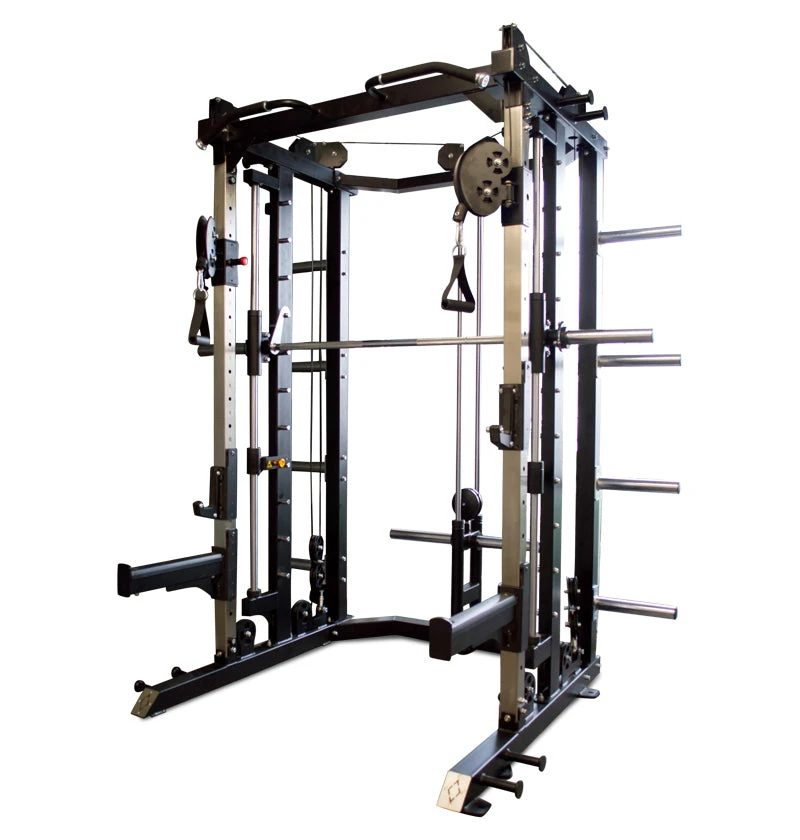
Pairing your bench with a matching power rack or squat stand also gives you a safer setup for unracking heavier barbell weights without a spotter present. This combination is especially important for anyone training alone at home, since it removes the need for a second person to help lift the bar off the rack.
Finally, check weight plate compatibility before finalizing your order. Most pressing benches are designed around two-inch Olympic sleeves, so confirm your Olympic plates and bar match the peg dimensions to avoid ordering equipment that will not work together.
Commercial vs Home Use: Which Bench Fits Your Goals
The line between commercial and home equipment has blurred over the past several years, but a few distinctions still matter when comparing options. Commercial-grade benches are engineered for constant, repeated use by multiple lifters throughout the day, so they tend to feature thicker steel gauges, reinforced welds, and higher weight ratings than consumer-grade alternatives.
Home users do not always need full commercial specs, but anyone training seriously, especially with heavy compound lifts, benefits from choosing equipment built to commercial standards anyway. A bench that can handle gym-floor traffic will hold up far longer in a home setting than one built for occasional light use, and the price difference between the two tiers is often smaller than people expect once you factor in replacement costs down the line.
Facility owners outfitting a full weight room have additional considerations, including matching bench finishes across multiple units, coordinating delivery timelines, and sourcing enough matching equipment to fill a room without mismatched styles. Working with a single supplier for benches, racks, and plates tends to simplify this process considerably compared to piecing together gear from several different vendors.
Maintenance and Safety Tips for Long-Term Use
Routine care keeps a bench performing safely for years rather than months.
- Wipe down vinyl pads after each session to prevent sweat buildup, which breaks down foam and cover material over time if left unattended.
- Check bolts and adjustment pins monthly, since regular use can loosen hardware on adjustable frames, particularly on benches that shift between incline and decline positions often.
- Inspect welds and joints periodically for cracking or stress marks, particularly on benches used for heavy pressing sessions multiple times per week.
- Store the bench in a dry area, since moisture accelerates rust on steel frames, even ones with a powder-coated finish.
- Avoid dragging the bench across flooring, as this stresses welded joints over time and can scuff gym flooring underneath it.
- Lubricate adjustment pins and sliding mechanisms occasionally on multi-position benches to keep transitions between angles smooth and reduce wear on the locking hardware.
Where to Find a Trusted Fitness & Gym Equipment Provider USA
Choosing where you buy from matters just as much as choosing the equipment itself. Extreme Training Equipment operates as a Fitness & Gym Equipment provider USA lifters and gym owners rely on for commercial-grade strength equipment at prices that fit both home and facility budgets. The current bench press lineup includes flat, incline, decline, 3-in-1, and horizontal configurations, each built with reinforced frames and built-in weight peg storage designed for years of consistent use.
Beyond pressing benches, the broader Fitness & Gym Equipment catalog covers racks, bars, plates, cable machines, and flooring, making it possible to build out a complete training space from a single supplier rather than piecing together gear from multiple vendors. For lifters across California and the rest of the country, sourcing bench presses and supporting equipment from one dependable provider simplifies both the buying process and long-term parts or support needs.
Working with a dedicated supplier also has practical benefits beyond the initial purchase. Matching frame finishes across a rack, bench, and storage system gives a training space a more cohesive, professional look, which matters for both home gyms that double as showcase spaces and commercial facilities that clients or members will see daily.
Choosing Between Adjustable and Fixed-Position Benches
One decision that comes up often is whether to choose a fixed flat bench or an adjustable multi-position frame. Fixed benches tend to be slightly more stable since they have no moving parts or adjustment mechanisms that could wear down over time. They are also usually less expensive and simpler to maintain.
Adjustable benches trade a small amount of stability for significant versatility, letting one frame cover flat, incline, and decline pressing angles. For most home gym owners with limited space, this versatility outweighs the minor stability trade-off, especially with well-built frames that use locking pins rather than looser cam mechanisms. Commercial facilities often stock both types, offering fixed benches for high-traffic flat pressing stations and adjustable units for members who want angle variety.
Quick Comparison: Bench Types at a Glance
| Bench Type | Best For | Space Needed | Typical Price Range |
|---|---|---|---|
| Flat | Barbell pressing, dumbbell work | Compact | $700 – $800 |
| Incline | Upper chest, shoulders | Compact | $700 – $800 |
| Decline | Lower chest emphasis | Compact | $700 – $800 |
| 3-in-1 Adjustable | Full pressing variety in one frame | Moderate | $800 – $900 |
| Horizontal | Isolation, controlled bar path | Moderate to large | $1,500 – $1,600 |
This kind of side-by-side view is useful when narrowing down options quickly, especially if you are comparing configurations before visiting a showroom or placing an order online. Price ranges will shift with sales and seasonal promotions, but the relative ordering between styles tends to stay consistent across most reputable suppliers.
Common Mistakes to Avoid When Buying a Pressing Bench
Even experienced lifters make avoidable mistakes when shopping for new equipment. Skipping a proper measurement of available floor space is one of the most frequent errors, leading to benches that block walkways or leave no room for plate loading on either side. Another common mistake is choosing a bench based on price alone without checking the weight rating, which can leave a lifter with equipment that feels unstable within a few months of regular use.
Buyers also sometimes overlook pad width and length relative to their own height. A pad that is too short forces the head or hips off the edge during heavy lifts, which compromises both comfort and safety. Testing a bench in person, or checking detailed product dimensions when buying online, helps avoid this issue before the equipment arrives.
Finally, some buyers underestimate how quickly training goals evolve. A fixed flat bench purchased today might feel limiting within a year once incline or decline work becomes part of a program. Choosing an adjustable frame from the start, even at a slightly higher upfront cost, often prevents the need for a second purchase down the line.
Final Thoughts
A quality pressing bench is one of the few pieces of equipment that earns its place in nearly every serious training program, whether the goal is raw strength, muscle growth, or general fitness. Prioritizing frame quality, adjustability, and weight capacity over price alone will save both money and frustration down the line. Matching your bench to your available space and training style, and pairing it with a properly sized rack and Olympic plate set, sets up a pressing station that will hold up to years of consistent training without needing early replacement.
Frequently Asked Questions
1. What is the difference between an Olympic-style bench and a standard bench press?
An Olympic-style bench is built longer, wider, and with a heavier-duty frame to accommodate Olympic-sized plates and bars, while standard benches are typically lighter and rated for lower weight capacities.
2. What weight capacity should I look for in a pressing bench?
Most serious lifters should look for a capacity of at least 600 to 800 pounds combined user and plate weight, though commercial-grade models often rate higher than that baseline.
3. Is a 3-in-1 adjustable bench worth it for a home gym?
Yes, for most home setups, a 3-in-1 bench offers flat, incline, and decline positions in one frame, which saves both space and money compared to buying three separate units.
4. What size plates fit a standard Olympic-style bench?
These benches are generally designed for two-inch sleeve Olympic plates, so always confirm sleeve diameter compatibility before purchasing plates separately.
5. Do I need a power rack along with a pressing bench?
A power rack or squat stand is recommended for heavier barbell pressing, since it allows safe unracking and re-racking of the bar without needing a spotter present.
6. How much floor space does a bench press station need?
Plan for at least 7 to 8 feet in length and 4 to 5 feet in width to allow room for the bench, plate loading, and safe movement around it during a session.
7. Can beginners use a heavy-duty pressing bench safely?
Yes, beginners can use these benches safely as long as they start with manageable weight, use proper form, and train with a spotter or safety bars when lifting heavier loads.
8. How do I maintain a pressing bench to make it last longer?
Regular cleaning, periodic bolt checks, dry storage, and avoiding dragging the bench across the floor all help extend its usable life significantly over time.
9. What is the price range for a quality bench press?
Quality pressing benches generally range from around $700 to $1,600, depending on adjustability, build quality, and included features like weight peg holders.
10. Where can I find a reliable supplier of pressing benches for a home gym in the USA?
Quality bench press equipment is available through specialized strength equipment retailers such as Extreme Training Equipment, which offers commercial-grade options in flat, incline, decline, and 3-in-1 configurations for home and facility use.




























Sign in to leave a comment.