
Overlanding is all the rage right now, and for a good reason. It's a great way to discover your adventurous self and reconnect with nature. But, before starting this exciting activity, you must choose the best vehicle for your needs. With so many market selections, deciding which is right for you can be challenging. We'll help make the process easier by sharing the things you need to consider and discussing the types of vehicles that are best for Overlanding.
Budget
Affordability is one of the main things to consider when choosing an Overlanding vehicle. Not every option will be within your budget, so you'll need to prioritize what's important to you. Do you need a vehicle that can handle extreme off-road conditions, or is a more basic 4x4 SUV enough for your needs? Are creature comforts like air conditioning and heated seats a priority, or are you willing to do without them to save money?
Once you have set your budget, narrowing down your options is your next step. Many great Overlanding vehicles are available at a wide range of prices, so there's no need to compromise on quality or features just because you're on a tight budget. Do your research, compare prices, and don't be afraid to ask for advice from experienced overlanders. With some preparation, you can find the perfect Overlanding vehicle that fits your needs and budget.
Reliability
No one doesn't want their vehicle to break down in the middle of nowhere. When far-flung from any service station, you'll hope that every time you turn the ignition key to your rig, it must start without problems.
That's why it's crucial to choose a reliable 4x4 vehicle. Research and read reviews from other overlanders to determine which ones will most likely give you a trouble-free Overlanding adventure.
Ease of Repair and Maintenance
When you're Overlanding, you'll cover many miles and traverse some challenging terrain. That means your vehicle will be put through a lot of wear and tear. You'll want to choose a more manageable (and affordable) vehicle to repair and maintain. It's also crucial to consider the SUV, trailer, van, truck parts, and accessories available for your chosen rig. For example, it might be hard to find specific components for a Japanese vehicle if you're Overlanding in North America.
Payload Capacity
The payload is the amount of weight a vehicle can carry. It is an important consideration when looking for an Overlanding vehicle because you'll need to make sure the rig can handle the weight of your camping gear, supplies, and passengers. You'll also want to make sure the vehicle has the power to pull your trailer or camper.
Comfort
Comfort is critical when Overlanding. You will stay inside the vehicle most of the time, so it needs to be as comfortable as possible. Consider different aspects such as the seating, legroom, headroom, and storage space. You'll also want to ensure the vehicle is outfitted with all the necessary amenities, like a refrigerator, stove, and air conditioning.
Driveability
One of the main things to consider when choosing an Overlanding vehicle is how easy it will be to drive on and off-road. You don't want something that will be a pain to maneuver in tight spots or over obstacles. Choose a vehicle with higher ground clearance and 4-wheel drive. That way, you'll have better traction and stability in challenging conditions.
Storage Space
Overlanding requires a lot of gear. For an extended trip off the grid, you'll need storage space for camping gear, food, water, and other supplies.
Some Overlanding vehicles have built-in storage bins and compartments, while others require you to install aftermarket storage solutions. Either way, ensuring you have enough space to store your gear is crucial.
Fuel Mileage
You'll have to consider the fuel mileage when looking for an Overlanding vehicle. Particularly if you plan on making many trips, you'll want to ensure your vehicle can cover many miles between fill-ups.
Overlanding vehicles typically have better fuel economy than traditional 4x4s, so you don't need to sacrifice too much in that area. Just compare the fuel economy of different models to find the one that will work best for you.
Availability of Mods
When looking for the best Overlanding vehicle, you need to consider the availability of mods. Mods can make any vehicle into an Overlanding vehicle. Many mods are available, from roof racks, lift kits, and bumpers to tents and storage systems. If you find a vehicle you want, but it doesn't have all the features you need, don't worry – there are probably mods available to add those features.
Overlanding parts and accessories allow you to customize your vehicle to match your specific needs. No two overlanders have the same setup, so it's crucial to find a vehicle that can be customized to meet your particular needs.
Different Types of Overlanding Vehicles
Pickup trucks can make great Overlanding vehicles when properly outfitted. They offer good ground clearance, durability, and towing capacity. Trucks are versatile enough to handle a wide range of off-road terrain. Some popular Overlanding setups for pickup trucks include installing a camper shell or bed rack, adding mud tires and suspension, and outfitting the inside with camping gear.
SUVs have become increasingly popular Overlanding vehicles in recent years. They offer a good compromise between size, capability, and affordability. Several SUVs on the market would make great rigs, but some stand out as better options than others.
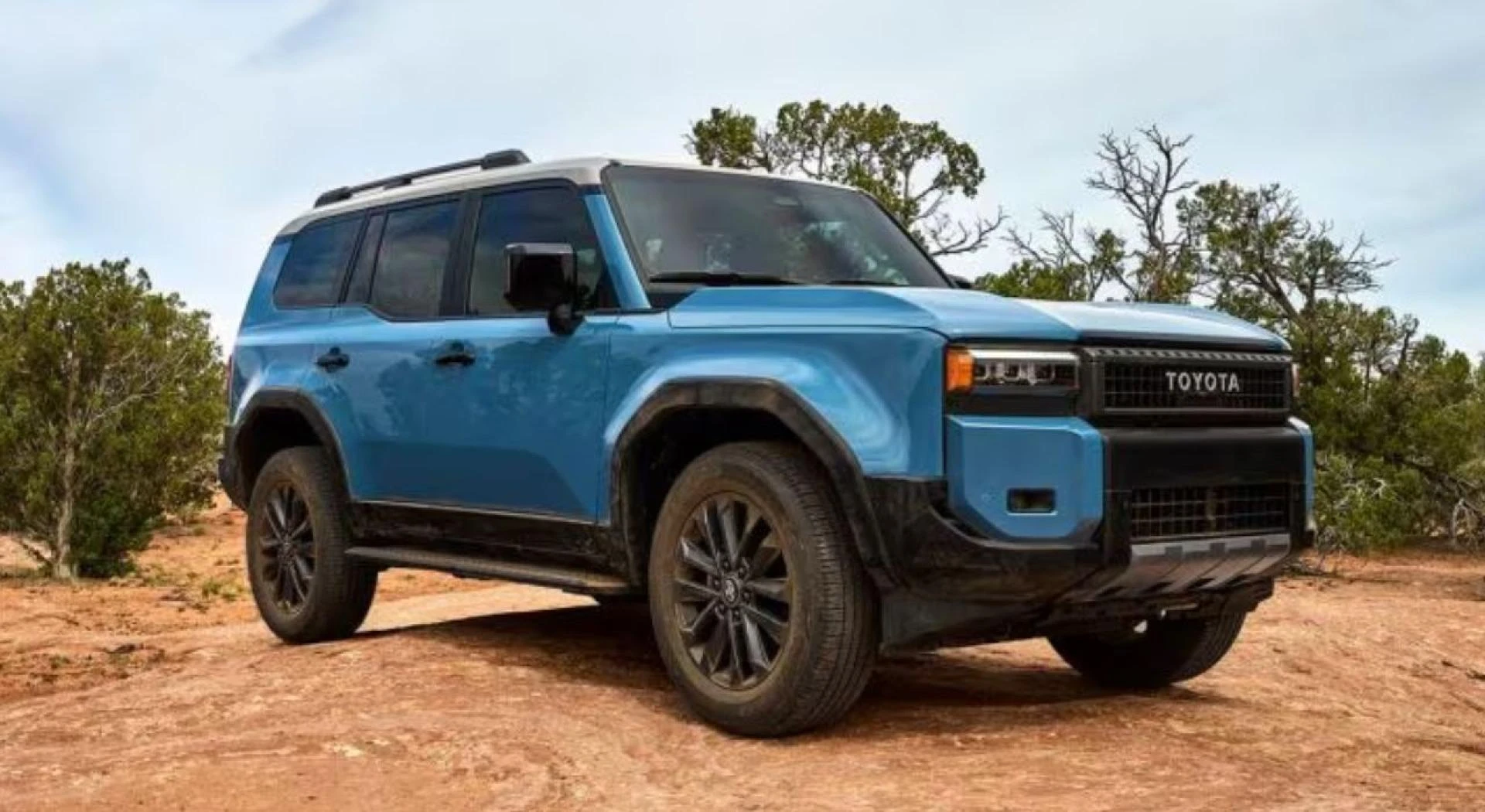
One standout option is the Toyota 4Runner. This SUV has a body-on-frame, solid rear axle, and high ground clearance. It's also got a powerful V6 engine and plenty of cargo capacity. 4runners tend to be expensive, especially when fully decked out for Overlanding.
If you're looking for something more affordable, the Jeep Wrangler is another excellent option. It's not quite as capable as the 4Runner off-road, but it's still a capable vehicle and much more affordable. The Wrangler also has many aftermarket accessories, such as aftermarket wheels like Method Wheels, fender flares, and lift kits, so you can easily customize them to your needs.
Ultimately, the best Overlanding vehicle for you depends on your budget and your needs. But SUVs are generally a good option for overlanders, and there are plenty of great choices on the market.
Overlanding can be done in many types of vehicles, from RVs to motorcycles to cars and trucks. However, some people find RVs a good Overlanding vehicle, thanks to their size and versatility. If you're considering Overlanding in an RV, there are a few things to remember.
First, make sure the RV is big enough for your needs. If you're planning on Overlanding with a lot of gear, you'll need a vehicle with plenty of storage space. Second, be sure that the RV is equipped for off-road travel. Many RVs come with all-terrain tires and heavy-duty shocks that can help you navigate rough terrain. Finally, consider the fuel economy of the RV. Overlanding can be a thirsty activity, so ensure the RV you choose has good fuel economy.
There's no question that vans offer many advantages as Overlanding vehicles. They're typically more affordable than trucks or SUVs, have a lot of storage capacity, and drive more like cars than trucks. It makes them a good option for those who want to overland on a budget.
That said, there are some drawbacks to consider. Vans tend to be less capable off-road than trucks or SUVs, and their high centers of gravity can make them prone to rollovers. So a van may not be the best option if you're looking for a vehicle that can handle serious off-road terrain.
Conclusion
Choosing the best Overlanding vehicle for you and your needs isn't as simple as just naming one make or model. It depends on your budget, how much work you want to put in yourself, and where you plan to go. With a bit of time and effort put into researching all of your options, there's no doubt that you will find the ideal rig for your next big adventure.
0









Sign in to leave a comment.