
Choosing the right residential septic tank for a property is an essential decision for homeowners, especially in rural or suburban areas where municipal sewer systems are not available. The septic system is a critical component of any home, serving to treat and dispose of wastewater effectively. This article will delve into the factors that influence the selection of the best septic tank for your property, ensuring that you make an informed choice that meets both your needs and local regulations.
Understanding Septic Tanks and Their Functionality
A septic tank is an underground chamber designed to treat and manage wastewater generated in households. It typically comprises a watertight container made from materials such as concrete, fiberglass, or plastic. Wastewater from the household flows into the tank, where solids settle at the bottom, forming sludge, while lighter materials, such as grease, float to the top, creating a scum layer. The separation of these materials allows for the treatment of effluent, which is then discharged into the leach field for further filtration and absorption into the soil.
The functionality of a residential septic tank is contingent on its size, design, and material. It's crucial to select a tank that can handle the household's wastewater volume effectively while adhering to local health and environmental regulations. Understanding these principles lays the groundwork for making an educated decision regarding the best septic tank for your property.
Factors to Consider When Choosing a Septic Tank
1. Size Matters
One of the most critical factors in selecting a residential septic tank is its size. The tank must be large enough to accommodate the wastewater generated by the household. Generally, the size of the tank is determined by the number of bedrooms in the home, with a typical rule of thumb suggesting that a household with three bedrooms should have a tank with a capacity of at least 1,000 gallons. However, it is essential to account for additional factors, including the number of occupants, water usage habits, and potential future growth of the household.
Determining the correct size not only ensures optimal performance but also minimizes the risk of system failure and costly repairs. Overloading a septic tank can lead to backups and malfunctions, resulting in unpleasant and potentially hazardous situations. Consulting with a professional can provide invaluable insights into the appropriate size for specific needs.
2. Material Selection
The material of the septic tank plays a significant role in its durability, maintenance, and overall performance. The three most common materials used in septic tank construction are concrete, fiberglass, and plastic. Each material has its pros and cons, making it essential to evaluate them carefully.
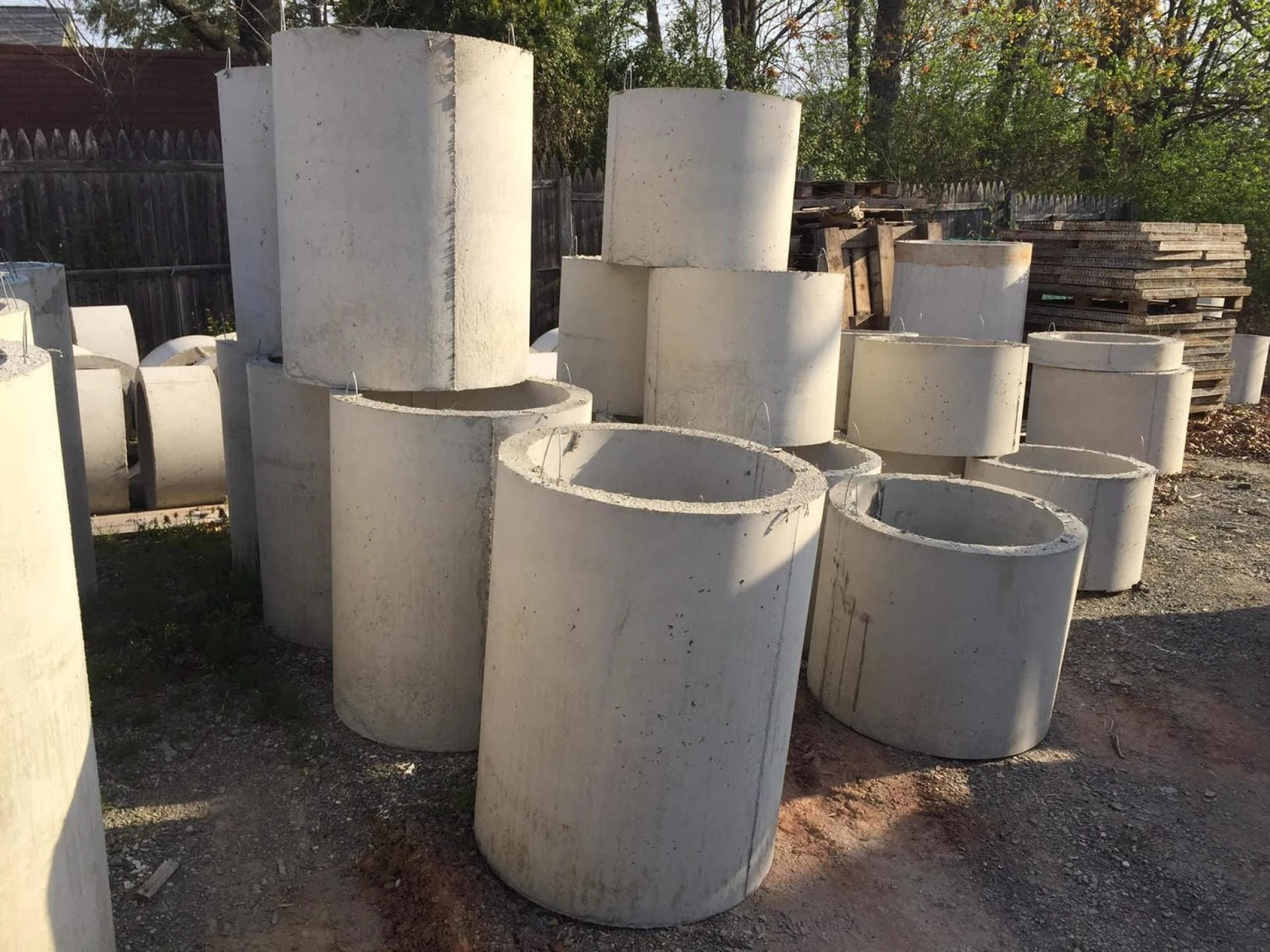
Concrete tanks are known for their strength and longevity, often lasting several decades if properly maintained. They are less likely to float in high groundwater conditions, providing stability. However, they can be susceptible to cracks and leaks over time.
On the other hand, fiberglass tanks are lightweight and resistant to corrosion. They are less prone to cracking and are easier to install. However, they may be more expensive than concrete tanks and can be susceptible to damage from heavy equipment.
Plastic tanks are also lightweight and resistant to corrosion. They are generally less expensive and easy to install. However, they may not provide the same level of durability as concrete or fiberglass tanks, especially in areas with fluctuating water tables.
Ultimately, the choice of material should align with the local climate, soil conditions, and the specific needs of the household.
3. Local Regulations and Permits
Before making a final decision, it is imperative to research local regulations and obtain the necessary permits. Many municipalities have specific guidelines regarding the installation and maintenance of septic systems, including the required size, materials, and placement of the tank. Non-compliance with these regulations can result in fines, delays, and potentially the inability to sell the property in the future.
Homeowners should consult local health departments or environmental agencies to understand the requirements in their area. Engaging with a licensed septic system installer can also help navigate the complexities of local regulations, ensuring that the chosen system meets all necessary standards.
4. Maintenance and Lifespan Considerations
Maintenance is a critical aspect of keeping a residential septic tank functioning optimally. Regular inspections and pumping of the tank are necessary to prevent buildup of sludge and scum, which can lead to system failure. Each type of tank has its maintenance recommendations, and homeowners should familiarize themselves with these guidelines.
Concrete tanks typically require more frequent inspections to check for cracks and leaks, while fiberglass and plastic tanks may need to be monitored for structural integrity. It is advisable to establish a maintenance schedule with a licensed septic service provider to ensure that the system remains in good working order.
The lifespan of a septic tank can vary widely based on the material, installation quality, and maintenance practices. Concrete tanks can last 30 years or more, while fiberglass and plastic tanks may require replacement sooner. Therefore, considering the long-term implications of the chosen tank material and maintenance frequency is essential in the decision-making process.
Conclusion
Selecting the best residential septic tank for your property is a multifaceted process that requires careful consideration of various factors, including size, material, local regulations, and maintenance needs. By understanding these aspects and engaging with professionals, homeowners can make informed decisions that not only meet their immediate needs but also ensure the longevity and efficiency of their septic systems.
For those seeking further guidance on septic tank selection and installation, Ri-Industries offers comprehensive resources and expert advice to assist homeowners in making the best choices for their properties. Investing the time to choose the right septic tank will lead to a reliable and effective wastewater management system, safeguarding both the home and the environment for years to come.










Sign in to leave a comment.