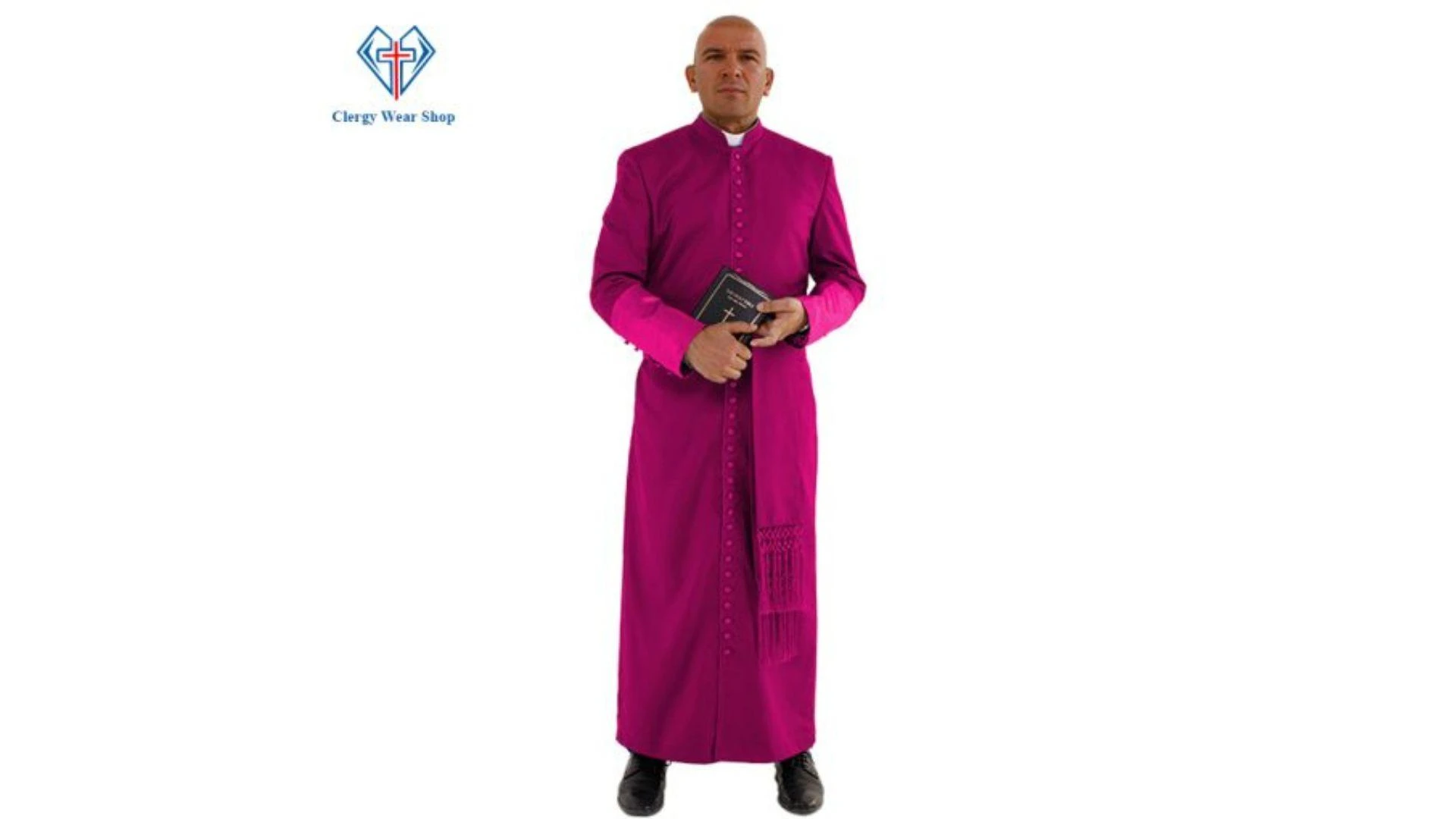

Cassock robes have a deep-rooted history in the Christian faith, dating back to early Christianity. Initially, clergy members wore cassock robes as everyday attire, symbolizing their devotion and separation from secular life. Over time, different denominations developed variations, incorporating unique colors and styles. Today, cassock robes remain a vital part of religious ceremonies, reflecting tradition, humility, and service. Their enduring presence showcases the respect and honor associated with clerical duties.
Why Do Clergy Wear Cassock Robes?
Cassock robes are more than just garments—they are powerful symbols of faith and devotion. Traditionally, black cassocks represent humility and detachment from worldly desires. Different colors hold various meanings; for example, red symbolizes martyrdom, while purple signifies penance and authority. By wearing cassocks, clergy members visually express their commitment to God and their community, reinforcing their spiritual responsibilities in a tangible, recognizable way.
The Different Types of Cassock Robes
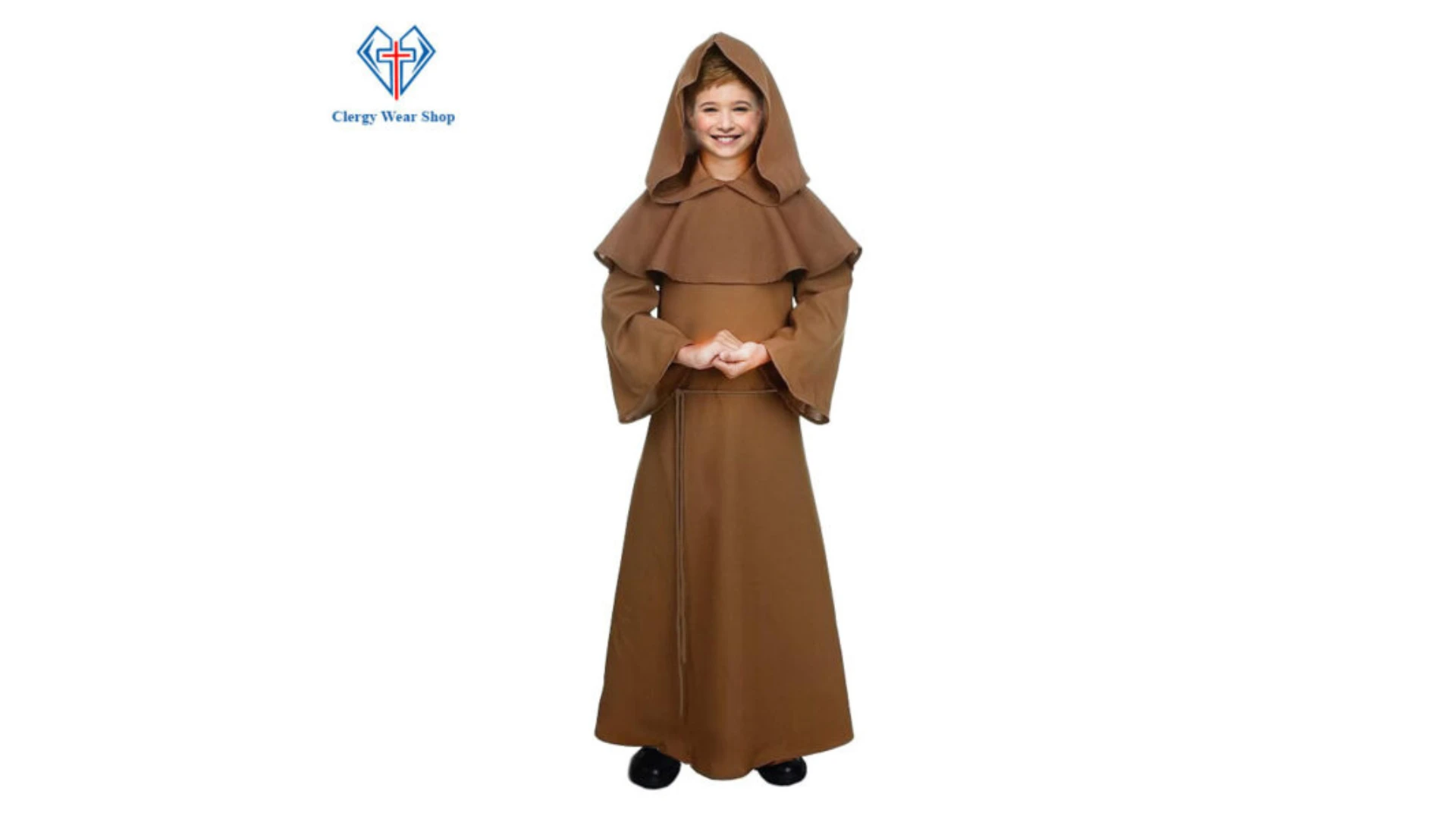
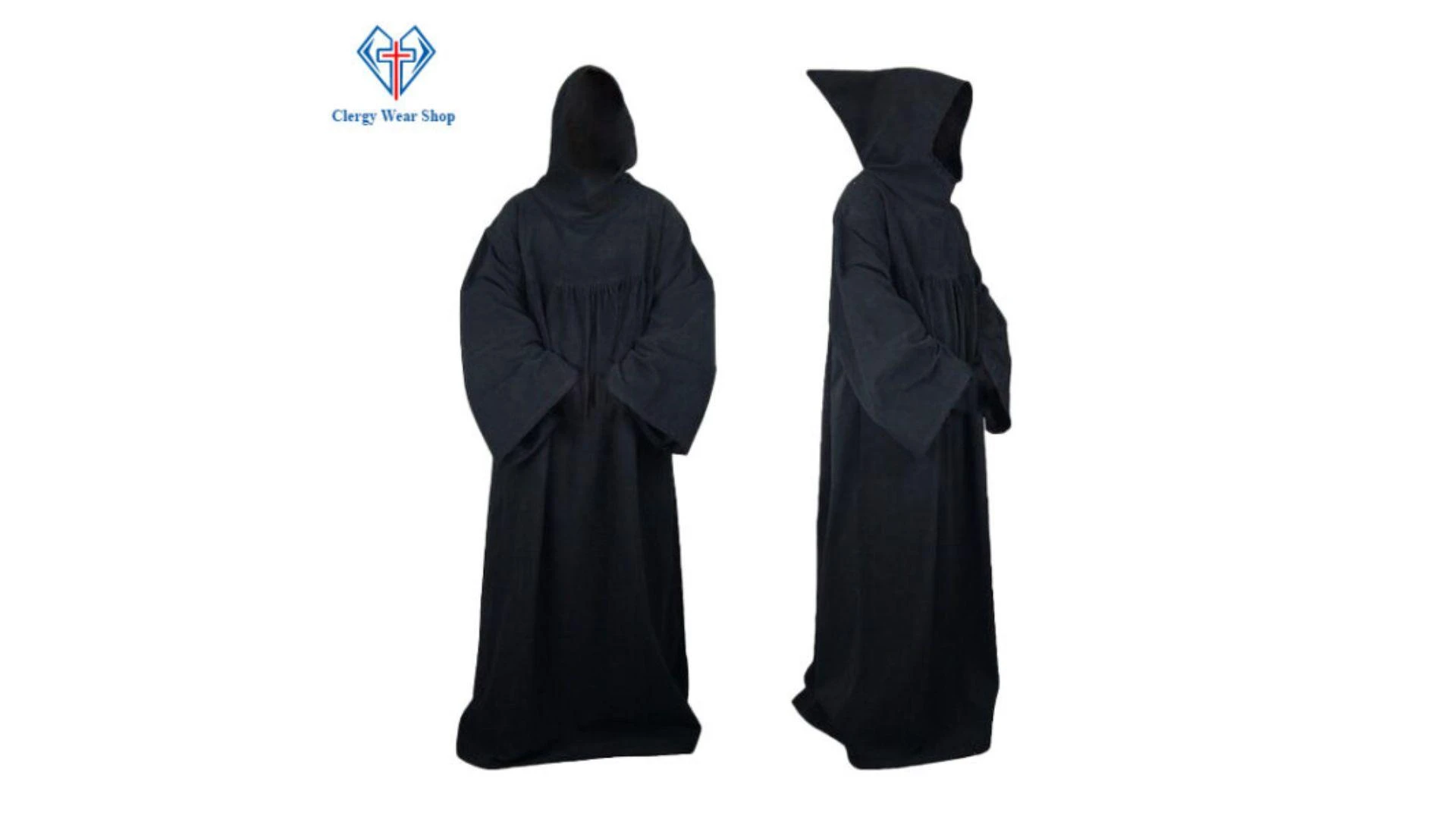
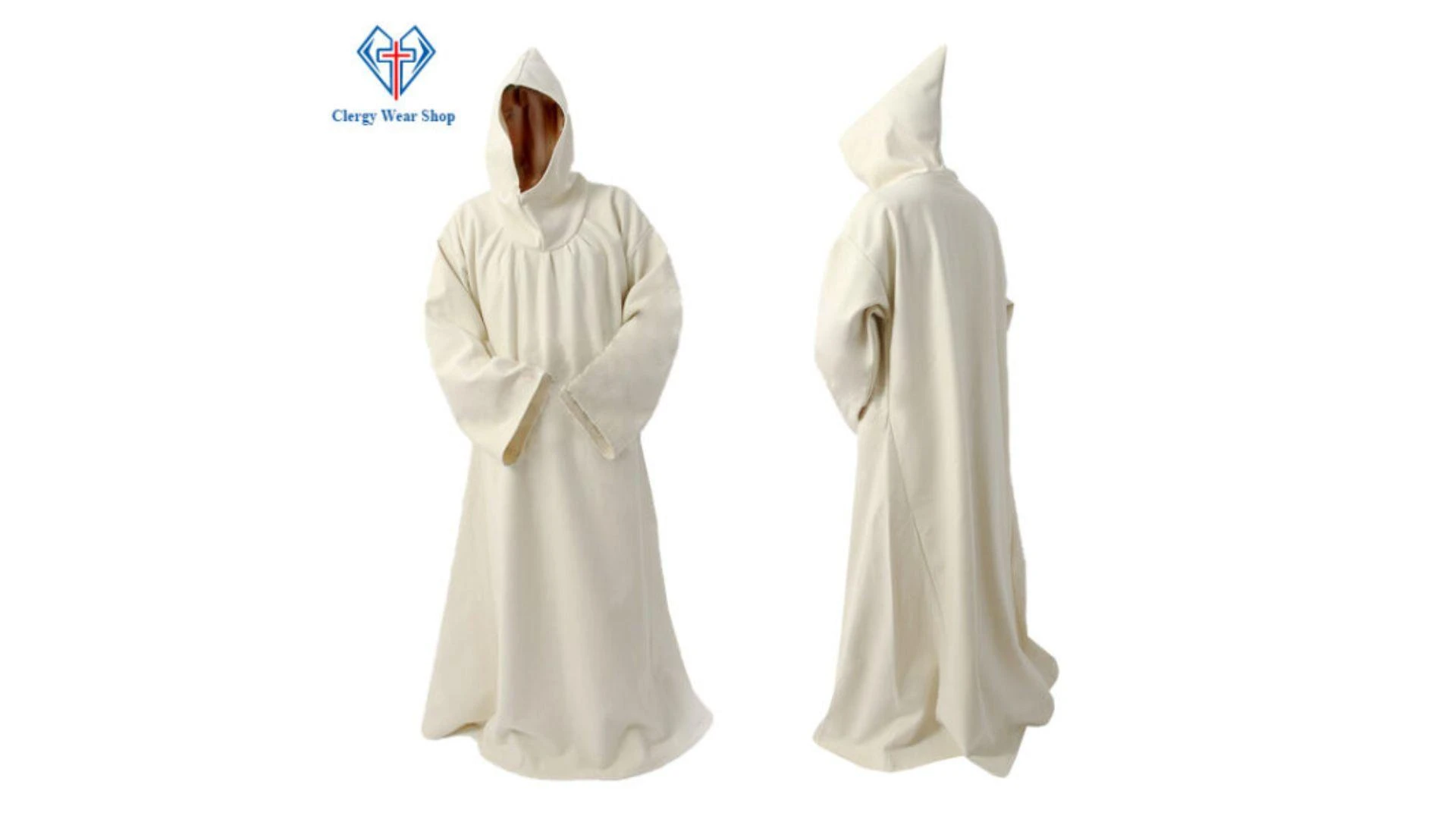
Cassock robes come in various styles, each designed to reflect different roles and traditions. The Roman cassock is the most common, featuring buttons down the front and a cincture belt. The Anglican cassock is often plainer and paired with a surplice. Eastern Orthodox cassocks, known as rason or podraznik, have a distinctive flowing design. Each variation highlights the diversity within religious communities while maintaining the garment’s sacred significance.
How to Choose the Right Cassock Robe for Your Needs
Selecting the perfect cassock robe requires careful consideration of tradition, fit, and material. Clergy members should first determine their denomination’s preferred style and color. Comfort is essential, so breathable fabrics like wool or lightweight polyester blends work well. Additionally, the fit should allow ease of movement while maintaining a dignified appearance. A well-chosen cassock enhances the wearer’s spiritual presence and ensures long-lasting comfort during services.
Cassock Robes vs. Other Clerical Attire
Cassock robes differ from other clerical garments like albs, surplices, and chasubles in both style and function. While cassocks are full-length robes worn as a base layer or standalone attire, albs are typically white linen robes worn under vestments. Surplices are shorter, loose-fitting garments worn over cassocks, while chasubles are ornate outer layers used in mass. Each piece plays a distinct role in religious ceremonies, adding depth and tradition to clerical dress.
The Modern Evolution of Cassock Robes
While cassock robes remain deeply traditional, modern innovations have made them more accessible and comfortable. Today, clergy members can choose from machine-washable fabrics, adjustable fits, and even custom embroidery. Some cassocks now feature hidden pockets for convenience, while others incorporate lightweight materials for all-day wear. These updates honor tradition while adapting to the practical needs of contemporary clergy, ensuring cassocks remain both functional and symbolic.
The Role of Cassock Robes in Different Christian Denominations
Cassock robes hold significance across various Christian denominations, though styles and customs differ. In the Catholic Church, cassocks are worn by priests, bishops, and even the Pope, often adorned with piping and sashes. Anglican clergy also wear cassocks, sometimes in black or purple, depending on rank. Orthodox priests favor flowing, layered cassocks with head coverings. Despite these differences, the cassock remains a universal symbol of clerical dedication and service.
Caring for Your Cassock Robe
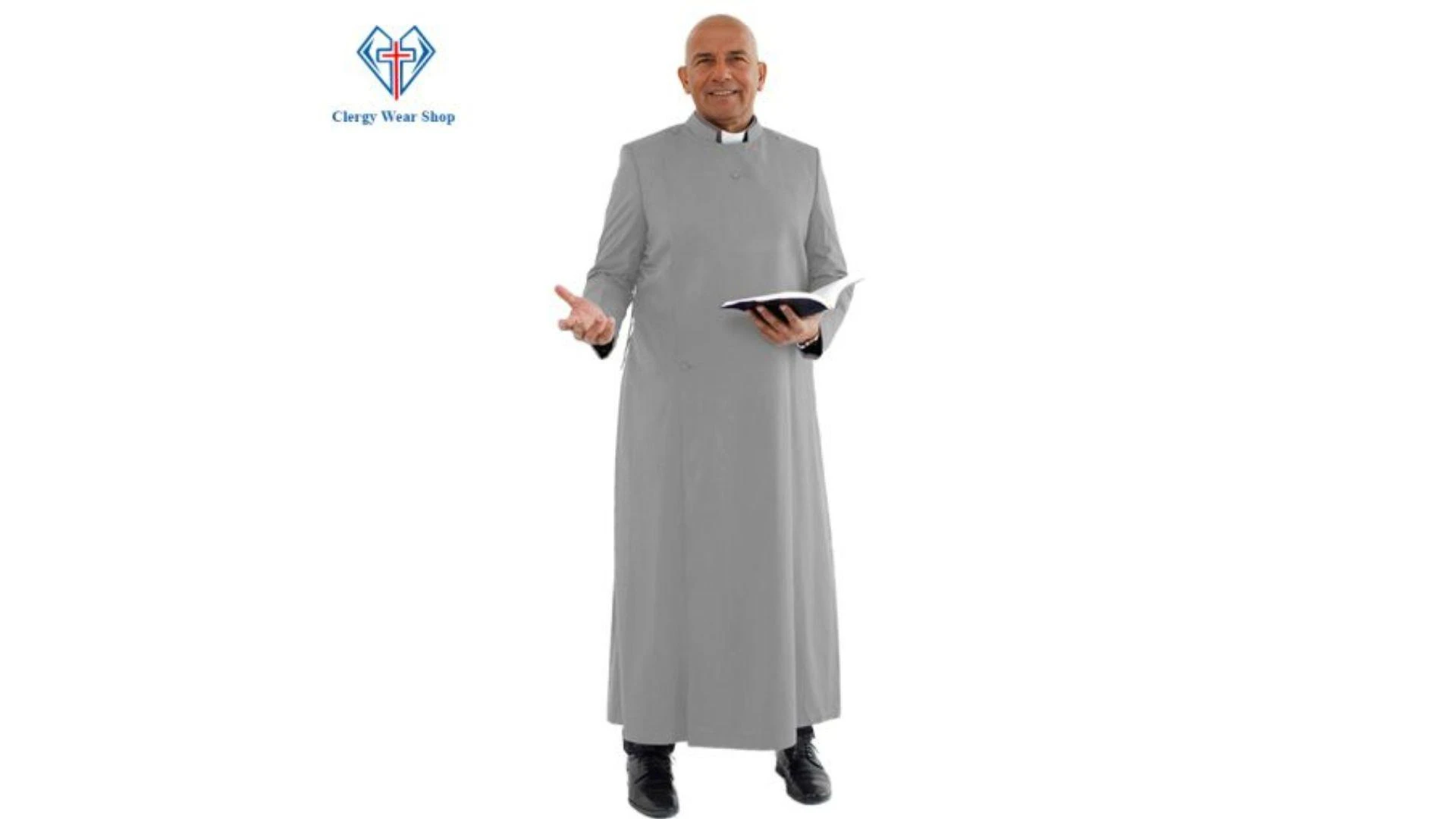
Proper care ensures cassock robes remain in excellent condition for years. Regularly cleaning the fabric according to manufacturer instructions prevents discoloration and wear. Wool cassocks may require dry cleaning, while polyester blends can be machine washed. Storing cassocks on padded hangers helps maintain their shape, and using garment bags protects them from dust. Proper care preserves the garment’s dignity and keeps it looking pristine for religious services.
Where to Buy High-Quality Cassock Robes
Clergy members can purchase cassock robes from specialty religious stores, online retailers, and custom tailors. For a wide selection of premium cassocks, clergywearshop offers high-quality robes crafted with attention to fabric, craftsmanship, and comfort. With various styles suited for different denominations, clergywearshop ensures a perfect fit for every clergy member. Investing in a well-made cassock guarantees durability, elegance, and a professional appearance during worship and ceremonies.
Custom Cassock Robes
Many clergy members opt for custom cassock robes to achieve the perfect fit and unique detailing. Customization options include monogramming, embroidery, and tailored cuts. Personalized cassocks allow clergy to reflect their individuality while maintaining the dignity of their role. Some choose to add meaningful religious symbols or trim to their garments. A well-fitted custom cassock not only enhances comfort but also reinforces a sense of identity within the clergy community.
Cassock Robes for Special Occasions
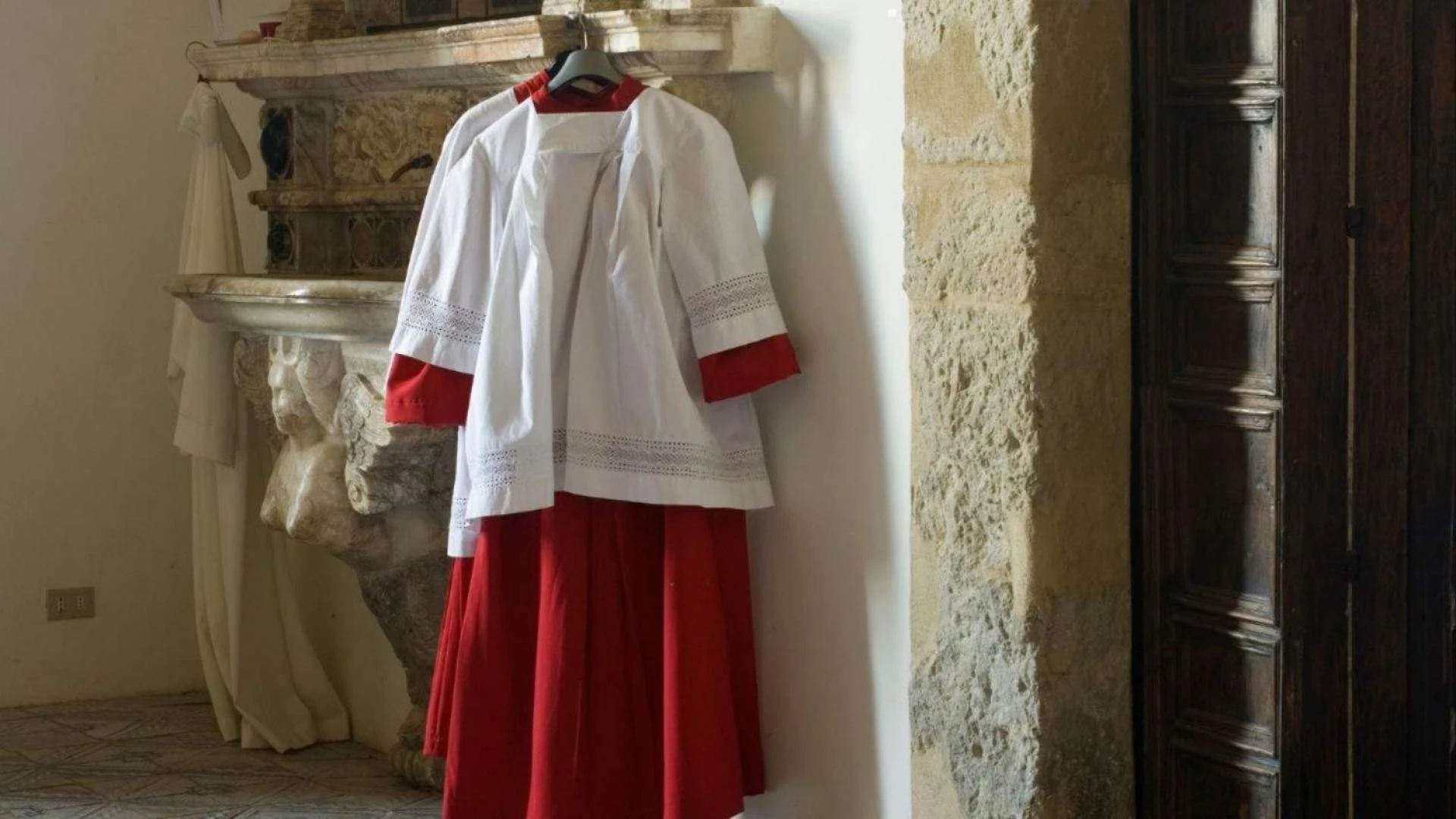
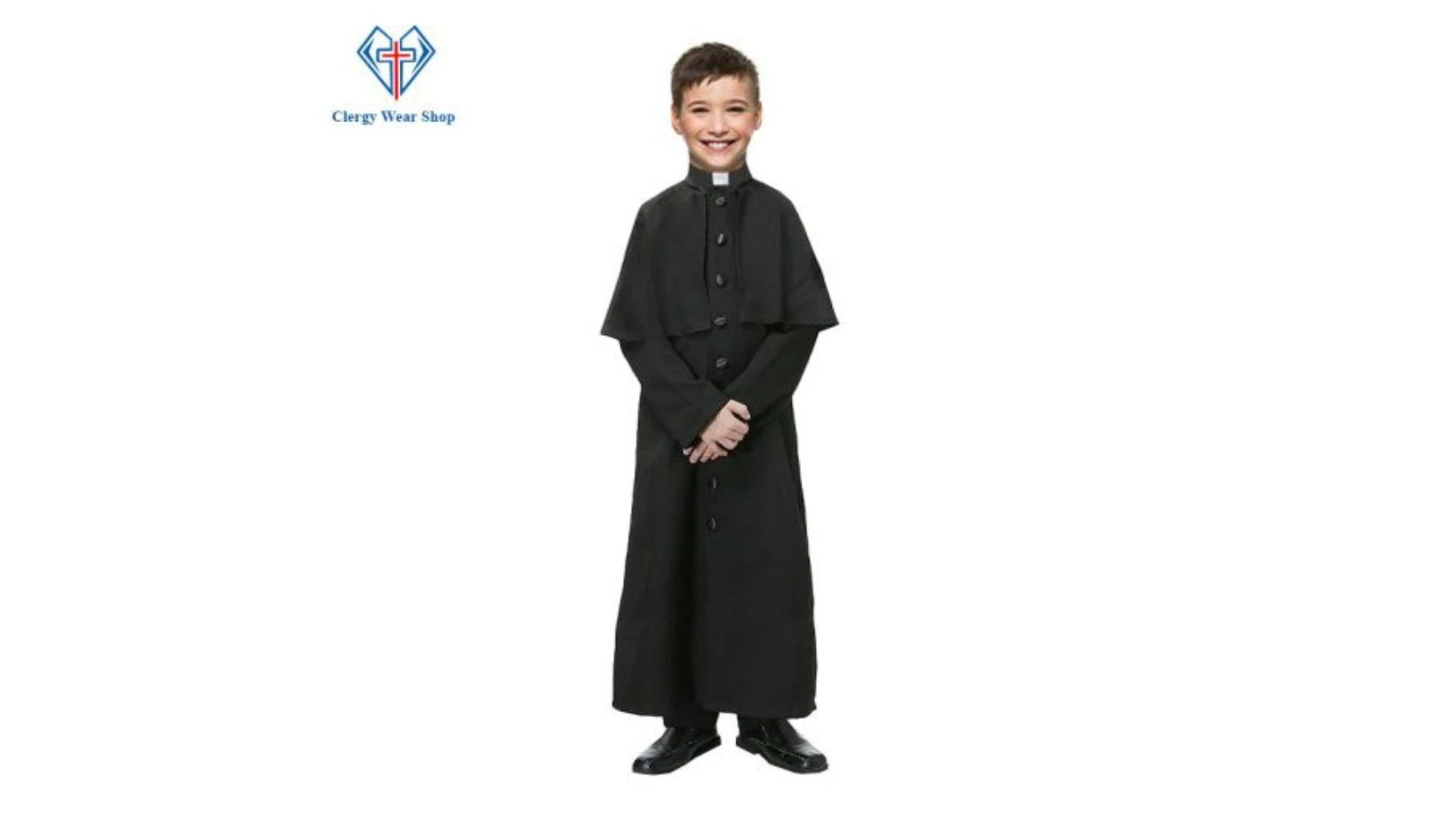
Cassock robes are worn during a variety of religious occasions, from daily services to high holy days. They are essential for ordinations, funerals, and formal liturgical events. Bishops and higher-ranking clergy may wear cassocks with additional embellishments during special ceremonies. Choir members and altar servers also wear cassocks for a unified, reverent appearance. The significance of cassocks in religious traditions ensures they remain a staple in worship attire.
Famous Clergy and Their Iconic Cassock Styles
Throughout history, many notable clergy members have worn distinctive cassock robes, influencing religious fashion. Popes often wear white cassocks, symbolizing purity and authority. St. John Paul II’s simple yet elegant cassock became iconic during his papacy. Anglican bishops frequently don purple cassocks, denoting their rank. Even in modern times, religious leaders use cassocks to project a dignified presence, reinforcing their spiritual authority and devotion.
Cassock Robes in Popular Culture
Cassock robes have transcended religious settings, appearing in movies, television, and literature. Films featuring clergy often showcase cassocks to emphasize a character’s spiritual role. From classic dramas to historical documentaries, these garments create an authentic portrayal of religious figures. Even fashion designers have drawn inspiration from cassocks, incorporating their structured silhouettes into modern collections. This cultural presence highlights the lasting impact of cassock robes beyond religious institutions.
Conclusion
Cassock robes continue to be a vital part of clerical identity, symbolizing tradition, devotion, and faith. Their evolution over the centuries demonstrates their adaptability while preserving their sacred meaning. Whether worn during daily services or grand religious ceremonies, cassocks remain a powerful representation of the clergy’s role in spiritual life. As new generations embrace both tradition and innovation, cassock robes will undoubtedly maintain their esteemed place in religious history.



























Sign in to leave a comment.