
The year 2026 is shaping up to be a defining moment for digital commerce. Global supply chains are becoming more integrated, procurement cycles are shrinking, and the expectations of B2B buyers are now almost indistinguishable from those of regular consumers. Distributors, wholesalers, manufacturers, and retailers no longer look at online sales as an optional extension to their business. It has become the backbone of growth, efficiency, and customer retention. But this shift also brings a familiar question to the surface: How do you choose the right B2B Ecommerce Platform for your online store?
Choosing a platform today is not just about checking feature lists or comparing pricing tables. It is about understanding how well a system can adapt to your industry, your operational demands, your teams, and—most importantly—your long-term customer experience. The wrong choice results in delays, slow adoption, and expensive technology switches. The right choice can transform the very foundation of your B2B operations.
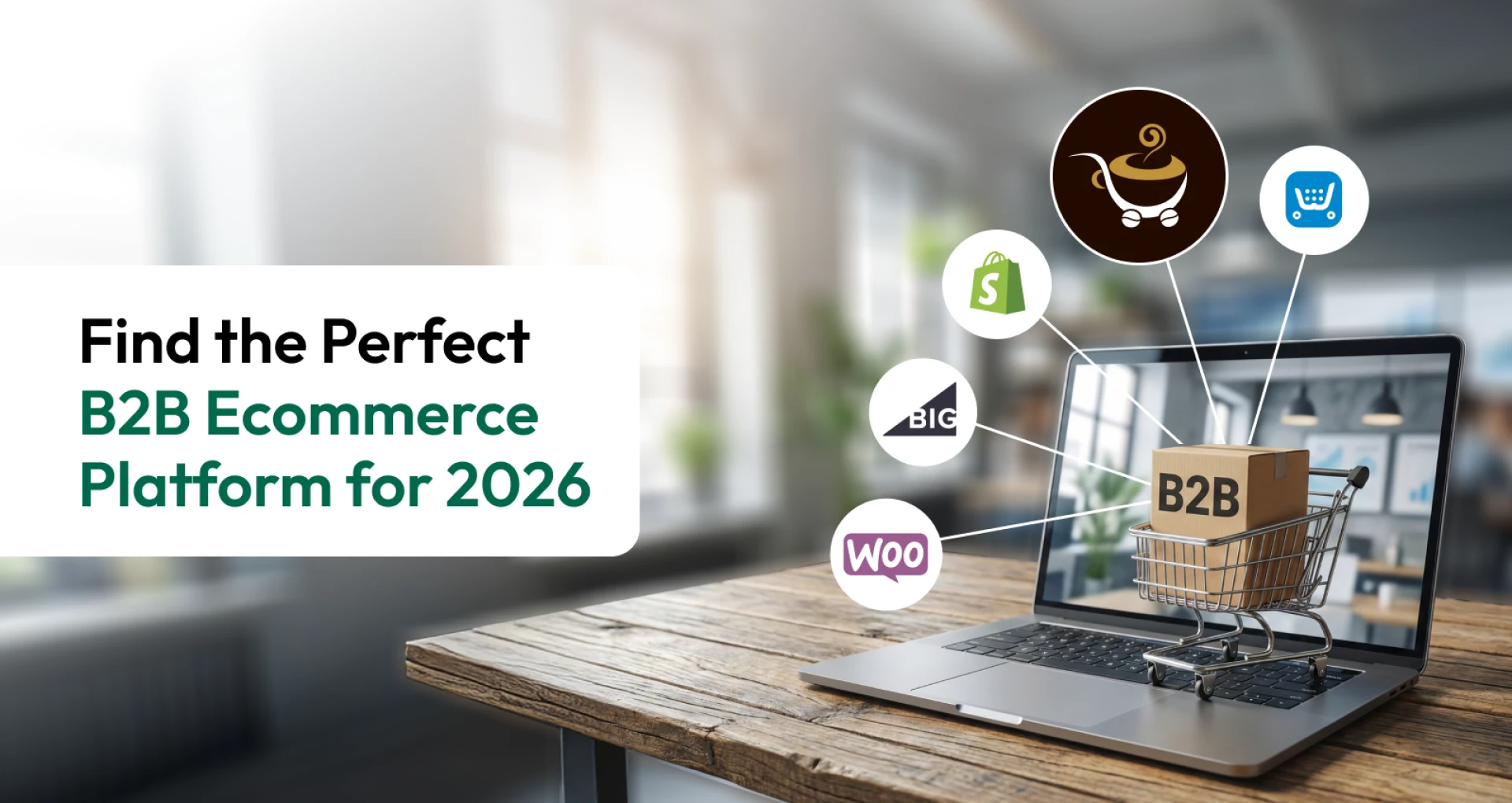
In this landscape, several platforms compete for attention. Yet, only a few truly understand the layered complexities of B2B selling—tiered pricing, bulk orders, quotation workflows, repeat ordering behavior, credit limits, sales representative roles, and account-specific purchasing. Among these, platforms like Shopify Plus, Magento Commerce, BigCommerce B2B Edition, WooCommerce (with extensions), and Shopaccino form the leading cluster. Each takes a different approach to B2B commerce, and businesses often discover that the best fit depends more on operational alignment than on feature quantity.
Let’s explore the selection journey step by step.
The New Digital Buyer of 2026: Why Platform Choice Matters More Than Ever
The B2B customer of 2026 is no longer willing to wait for catalog PDFs, phone calls with sales reps, or manual quotations. They expect self-service buying, personalized pricing, automated reordering, and real-time stock visibility. If your store cannot offer these experiences, the customer quickly moves on.
This shift makes the ecommerce platform the engine of your business, not just a website tool. It determines how:
- your catalogue is presented
- your pricing rules function
- your buyers navigate purchase approvals
- your sales team collaborates with clients
- your fulfilment and order cycles operate
A capable platform does not just power transactions—it turns long-term customer relationships into consistent revenue.
What Makes a Platform “Right” for B2B?
The right platform understands the everyday challenges businesses face: bulk pricing, order negotiation, custom catalogues for each distributor, fast reordering cycles, and more. But beyond features, the platform must fit the way your business already operates.
Several key questions emerge during platform selection:
Does it support the way your buyers behave?
Most B2B buyers reorder frequently, buy in quantity, request quotes, and rely on negotiated pricing. A platform must bring these workflows online without friction.
Does it reduce operational load?
A major goal of B2B digital transformation is reducing manual effort—less follow-up, fewer errors, automated communication, seamless order tracking, and predictable inventory control.
Does it integrate with existing operations?
Your teams may already use ERPs, CRMs, warehouse tools, or offline processes. The platform should blend into these workflows without forcing expensive restructuring.
Does it scale for future growth?
B2B businesses grow not only in revenue but in complexity—new distributors, new pricing tiers, international buyers, multiple warehouses, and expanded product lines. A flexible platform adapts rather than constrains growth.
A strong platform grows with you instead of limiting you.
The Top 5 B2B Ecommerce Platforms for 2026—and Where Each One Stands
While many platforms claim to support B2B, only a few offer the robustness required for real wholesale and distributor-led commerce. Here is a descriptive look at the top choices.
1. Shopaccino – The Most Tailored B2B Ecommerce Solution for MSMEs and Growing Enterprises
Among all platforms, Shopaccino stands out for its strong alignment with the operational patterns of MSMEs and mid-sized distributors. Many B2B capabilities—bulk ordering, customer-specific pricing, sales representative control, repeat ordering, catalog segmentation, multi-warehouse support, credit purchasing, and marketing automation—are built directly into the system rather than added through extensions.
This native approach reduces dependency on plugins, minimizes cost, and shortens implementation timelines. For businesses looking for a solution that mirrors real B2B processes and offers long-term operational stability, Shopaccino provides a balanced blend of usability and depth.
2. Shopify Plus – Strong Ecosystem, But App-Dependent for B2B
Shopify Plus is widely known for its clean interface and extensive global ecosystem. However, its B2B functionality is heavily app-driven. Features such as quotation management, tiered pricing, account-specific ordering, and custom catalogs require multiple third-party apps.
For enterprises that value design and have strong budgets, Shopify Plus is a solid option. But for MSMEs seeking native B2B workflows without extensive app reliance, it often becomes more expensive and labor-intensive.
3. Magento Commerce (Adobe Commerce) – Extremely Powerful, But Developer-Heavy
Magento Commerce offers some of the most sophisticated B2B tools in the industry, including negotiation workflows, requisition lists, role-based buying access, and multi-catalog management. However, these capabilities require expert-level development and ongoing maintenance.
Magento is ideal for large enterprises with in-house IT resources. For smaller or mid-sized businesses looking for agility and manageable operational costs, the complexity can become overwhelming compared to more streamlined platforms.
4. BigCommerce B2B Edition – Flexible and API-Friendly
BigCommerce provides strong catalog and API capabilities and appeals to businesses that want hybrid or headless commerce setups. Its B2B edition supports contract pricing and quoting, but several workflows still rely on app partnerships. For businesses that prioritize customization, it performs well. But for teams needing operational simplicity along with B2B depth, the additional configuration steps may feel demanding. As companies scale, they often seek platforms with more seamless, built-in B2B tools.
5. WooCommerce with B2B Plugins – Good for Basic B2B, But Not Scalable
WooCommerce can be adapted for wholesale selling through multiple plugins. However, this plugin-heavy setup becomes challenging at scale. Security concerns, version conflicts, hosting limitations, and the lack of native B2B workflows require ongoing technical oversight. While WooCommerce works for very small businesses with simple needs, growing enterprises typically outgrow it. As order volumes rise, the reliance on external plugins reduces stability and increases maintenance effort.
How to Choose the Right B2B Platform: A Practical Step-by-Step Approach
Choosing a platform is not just about comparing features; it is about understanding your operational DNA. The following approach helps bring clarity.
Step 1: Understand Your Buyer’s Digital Journey
B2B buyers follow different order rhythms—daily, monthly, or seasonal. Understanding these patterns reveals what your platform must prioritize, such as fast ordering, RFQ flows, or bulk pricing automation.
Step 2: Map Internal Processes to Platform Capabilities
Your sales, warehouse, and finance teams already operate within specific frameworks. The right platform should enhance—not interrupt—these workflows.
Step 3: Evaluate Scalability Without Increasing Complexity
Growth in B2B creates more layers: pricing tiers, buyers, warehouses, and channels. A scalable platform should support this complexity without requiring technical overhauls.
Step 4: Ensure Automation, Not Just Online Cataloguing
The difference between a website and a functional B2B system lies in automation—notifications, cart recovery, approvals, credit reminders, and marketing workflows.
Step 5: Look for a Platform That Future-Proofs Your Business
Technology evolves quickly. A future-ready platform offers stability, adaptability, consistent updates, and the ability to support the operational demands of modern B2B commerce.
Why Shopaccino Remains the Most Practical Choice for 2026
Each platform has its strengths, but businesses focused on operational efficiency often benefit from systems that reduce manual work and simplify complex workflows. Shopaccino combines native B2B tools, flexible pricing structures, multi-warehouse capabilities, automation, and order management in a single ecosystem. The platform’s design reflects the everyday realities of distributors, wholesalers, and MSMEs, making it a dependable long-term choice.
Choosing the right platform in 2026 is not just about selecting technology—it is about selecting a foundation for growth.
Conclusion
The right B2B platform shapes the future of your online store. It influences how effectively your team works, how confidently your buyers purchase, and how smoothly your operations scale. While platforms like Shopify Plus, Magento Commerce, BigCommerce, and WooCommerce serve different business needs, Shopaccino offers a balanced, practical, and operationally efficient approach for businesses that want to simplify B2B selling and prepare for long-term growth.










Sign in to leave a comment.