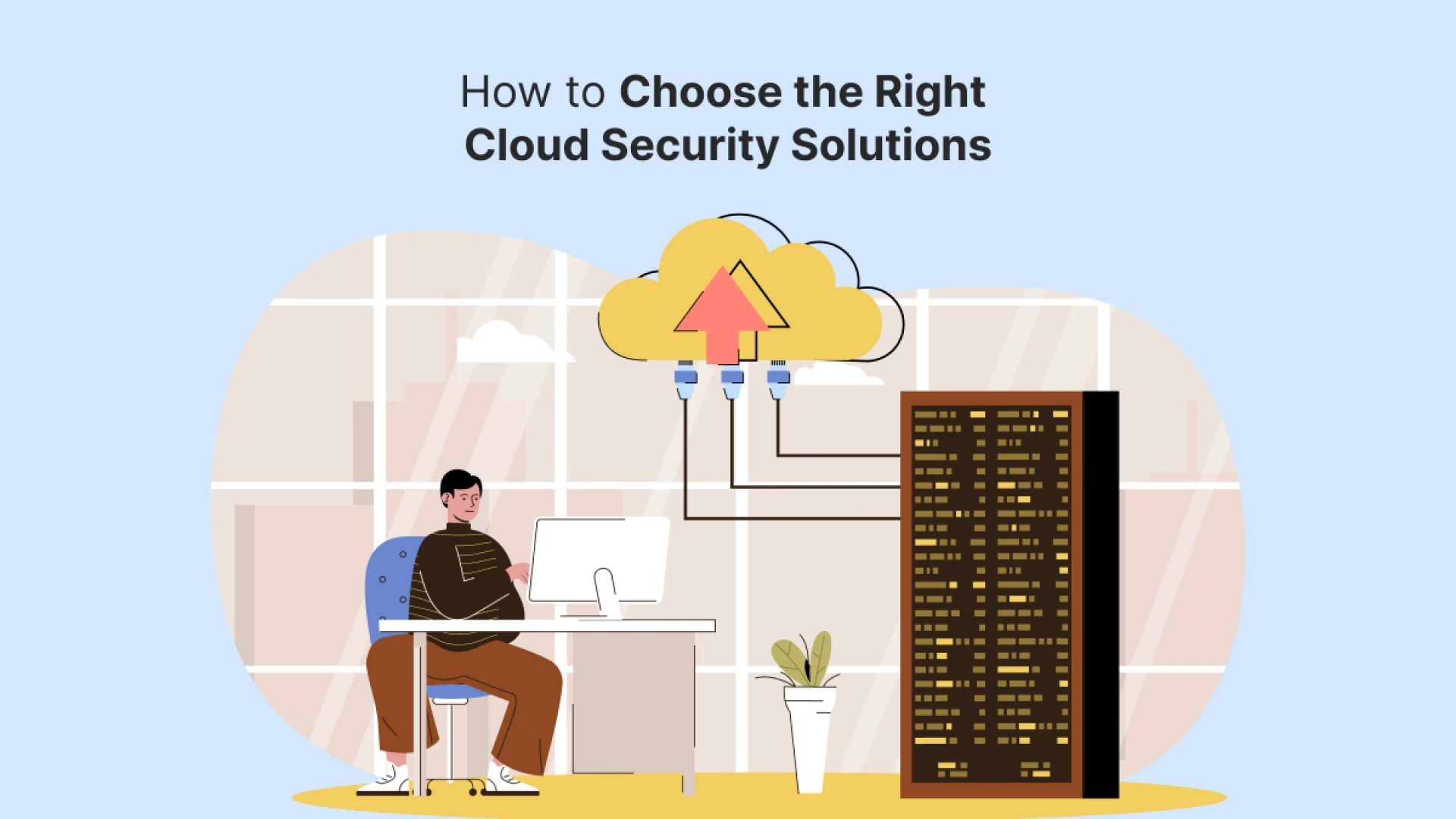

As more businesses move their operations to the cloud, protecting data and digital assets becomes more important than ever. Cloud computing offers speed, flexibility, and cost savings, but it also brings new security challenges. That’s where cloud security solutions come in.
Choosing the right cloud security solution is not just about finding the best software. It’s about understanding your needs, knowing the risks, and making sure your data is protected at every level. In this blog, we’ll guide you through the steps to choose the right cloud security tools for your business.
What Is Cloud Security?
Cloud security refers to the set of technologies, processes, and practices used to protect data, applications, and systems hosted in the cloud. It includes things like data encryption, access control, threat detection, and compliance with regulations.
Cloud security is essential because cloud environments are different from traditional on-premise systems. Data is often stored across multiple servers in different locations, and it can be accessed from anywhere. This makes it easier for users, but also more attractive for cybercriminals.
Why Cloud Security Matters
Before choosing a solution, it's important to understand why cloud security should be a priority for any business.
Protects Sensitive Data
Businesses store valuable information in the cloud—customer records, financial data, intellectual property, and more. Without proper security, this data could be exposed or stolen.
Prevents Downtime
A security breach can lead to service interruptions. With good security in place, businesses can avoid downtime and keep operations running smoothly.
Builds Customer Trust
Customers expect their personal data to be safe. If a business can’t protect user information, it risks losing both customers and reputation.
Meets Compliance Requirements
Many industries have strict regulations regarding data protection. Cloud security helps businesses stay compliant with standards like GDPR, HIPAA, and ISO.
Steps to Choose the Right Cloud Security Solutions
Choosing the right solution depends on your company’s size, industry, budget, and existing infrastructure. Here are the key steps to follow.
Assess Your Needs
Start by understanding what you’re trying to protect and what risks you face.
- What kind of data do you store in the cloud?
- Who has access to it?
- What would happen if it got leaked, lost, or changed?
This step helps you decide what type of security features you need—like data encryption, multi-factor authentication, or firewall protection.
Identify the Type of Cloud You Use
There are three main types of cloud setups:
- Public cloud: Shared services like AWS, Google Cloud, or Microsoft Azure
- Private cloud: Dedicated infrastructure for your company only
- Hybrid cloud: A mix of both public and private cloud
Each setup has different security needs. For example, public clouds offer built-in security, but you still need to manage access and monitor threats. Private clouds give more control but may require more hands-on management.
Understand Shared Responsibility
In cloud computing, security is shared between the cloud provider and the customer.
The provider takes care of physical servers and infrastructure. But you, the customer, are usually responsible for user access, data protection, and configuring the tools.
This is why you need to know exactly where your responsibility starts—and choose solutions that help you manage your part effectively.
Choose the Right Security Features
Different security tools offer different features. Here are some you should consider:
- Identity and access management (IAM): Controls who can access what in your system
- Data encryption: Protects your information while stored and when it’s being sent
- Firewalls: Act as a barrier between trusted and untrusted networks
- Intrusion detection and prevention systems (IDPS): Warn you if someone tries to break into your network
- Security Information and Event Management (SIEM): Collects and analyzes data from different sources to detect suspicious activity
- Backup and disaster recovery: Ensures that your data is safe even after a cyberattack or system failure
Look for Scalability
Your business will grow, and your cloud security solution should grow with it. Make sure the tools you choose can handle more users, more data, and more complex security needs over time.
Read More: DevOps & Cloud Consulting Services for Scalable IT Setup
Choose User-Friendly Tools
Even the most advanced security system won’t help if your team can’t use it. Choose tools that are easy to set up, manage, and monitor. A simple dashboard, helpful alerts, and good customer support can make a big difference.
Check Vendor Reputation
Do your research before committing to a security provider. Look for reviews, case studies, and third-party audits. Ask other businesses in your industry what tools they use. A good vendor should have a history of strong performance and reliable support.
Consider Compliance and Certifications
Make sure the cloud security tools you choose help you stay compliant with industry regulations. Look for certifications like ISO 27001, SOC 2, or PCI-DSS, depending on your needs.
Set a Budget
Security is an investment, not a cost. Still, you need to find solutions that fit your budget. Compare pricing models and make sure you're not paying for features you won’t use. Some tools offer free trials or flexible pricing based on your usage.
Conclusion
Choosing the right cloud security solution is one of the most important decisions you can make for your business. It’s not just about buying software—it’s about protecting your data, your customers, and your reputation. By understanding your needs, knowing the risks, and evaluating the right features, you can build a cloud security strategy that works for you.
Whether you're a startup just moving to the cloud or a growing company looking to strengthen your defenses, working with an experienced clone app development company can help you choose and implement the right tools.
With the right cloud security in place, you can focus on growing your business, knowing your data is safe, your users are protected, and your systems are secure.
Frequently Asked Questions
What is cloud security in simple terms?
Cloud security means protecting data, applications, and systems that are stored or used on the internet, especially on services like AWS, Google Cloud, or Microsoft Azure.
Is cloud security the responsibility of the provider or the user?
Both share the responsibility. Providers protect the physical infrastructure, but users are responsible for securing their data, managing access, and setting up protections.
Do small businesses need cloud security tools?
Yes. Even small businesses store valuable data. A cyberattack or data breach can hurt any business, regardless of size.
What are the most important cloud security features?
Some key features include data encryption, access control, firewalls, threat detection, and backup solutions.
Can I manage cloud security myself or should I hire help?
It depends on your experience and business size. For most companies, it’s smart to work with IT experts or an app development company to set up and manage cloud security effectively.





























Sign in to leave a comment.