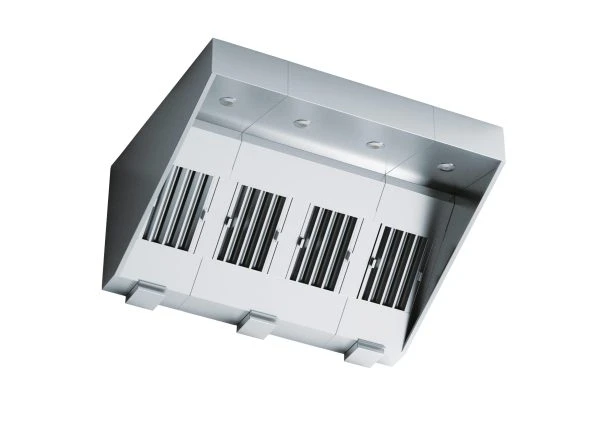

A well-functioning commercial ventilation system is necessary for any professional kitchen, which guarantees proper airflow, maintaining air quality, and meeting safety regulations. Without an effective ventilation system, heat, smoke, and grease can accumulate, creating an uncomfortable and hazardous working environment.
To help you make the right choice, this guide covers key factors to consider when selecting a commercial ventilation system for your kitchen.
1. Assess Your Kitchen Size and Layout
The size and design of your kitchen play a significant role in determining the type of ventilation system required. Consider the following:
- Small kitchens may need compact wall-mounted hoods or low-profile extraction units.
- Large kitchens with multiple cooking stations require high-capacity extraction systems with powerful airflow.
- Open-plan kitchens need additional ventilation to manage heat and smoke effectively.
2. Consider Cooking Volume and Equipment
The amount and type of cooking you do directly impact your ventilation needs:
- High-volume kitchens (restaurants, catering facilities) require heavy-duty systems to handle continuous cooking.
- Grease-intensive cooking (deep frying, grilling) demands systems with grease filters and high extraction rates.
- Steam-heavy operations (boiling, steaming) need moisture-resistant fans to prevent condensation buildup.
3. Choose the Right Ventilation Hood
The ventilation hood is the most critical component of your system. Common types include:
- Canopy hoods – Ideal for large-scale kitchens, covering multiple cooking appliances.
- Island hoods – Suitable for kitchens with central cooking stations.
- Wall-mounted hoods – Space-saving options for smaller kitchens.
Make sure that your hood size is enough to cover all cooking equipment for maximum efficiency.
4. Make sure Proper Airflow and Extraction Rate
The ventilation system should efficiently remove heat, smoke, and grease while maintaining balanced airflow. Key factors to consider:
- The extraction rate (measured in cubic meters per hour) should match your kitchen’s cooking output.
- Make-up air systems help maintain air pressure, preventing negative air balance issues.
- Ductwork design should provide smooth airflow with minimal resistance.
5. Comply with Health and Safety Regulations
Following up to local safety codes is important when installing a commercial ventilation system. Regulations typically cover:
- Minimum airflow requirements for different kitchen sizes.
- Fire safety compliance, including the use of fire-rated ductwork and grease filters.
- Noise levels, as excessively loud systems can impact staff comfort.
6. Prioritize Energy Efficiency
Choosing an energy-efficient ventilation system reduces operational costs and environmental impact. Look for:
- Variable speed fans that adjust airflow based on cooking activity.
- Heat recovery systems that reuse extracted heat to improve efficiency.
- LED lighting integrated into hoods for energy savings.
7. Schedule Regular Maintenance
To keep your commercial ventilation system functioning optimally, regular maintenance is essential:
- Daily cleaning of filters and grease traps to prevent buildup.
- Weekly inspections of fan blades and ductwork for blockages.
- Annual professional servicing to maintain compliance and efficiency.
A well-maintained system extends equipment lifespan, prevents costly repairs, and helps improve kitchen safety.
Choose the Right Commercial Ventilation System for Your Kitchen
Selecting the right commercial ventilation system depends upon assessing your kitchen size, cooking volume, regulatory requirements, and energy efficiency. Barcare Supreme offers a properly chosen and maintained ventilation system not only improves air quality but also helps improve overall kitchen efficiency.



























Sign in to leave a comment.