

Introduction
Selecting the right conveying system is crucial for optimizing efficiency and productivity in manufacturing processes. With numerous options available, each designed to handle different types of materials and operations, it can be challenging to determine which system best fits your needs. This decision impacts not only the smooth flow of materials but also the overall performance and cost-effectiveness of your manufacturing process. In this blog, we will guide you through the key factors to consider when choosing a conveying system and highlight how Prochem can be a valuable partner in this decision-making process.
1. Assess Your Material Handling Needs
The first step in choosing the right conveying system is to thoroughly assess your material handling needs. Consider the type of materials you need to transport—whether they are bulk solids, powders, or liquids—and their specific characteristics, such as particle size, density, and flowability. Different conveying systems are designed to handle various types of materials, so understanding these requirements will help narrow down your options.
2. Evaluate System Types
There are several types of conveying systems, each with its advantages and limitations. Common types include:
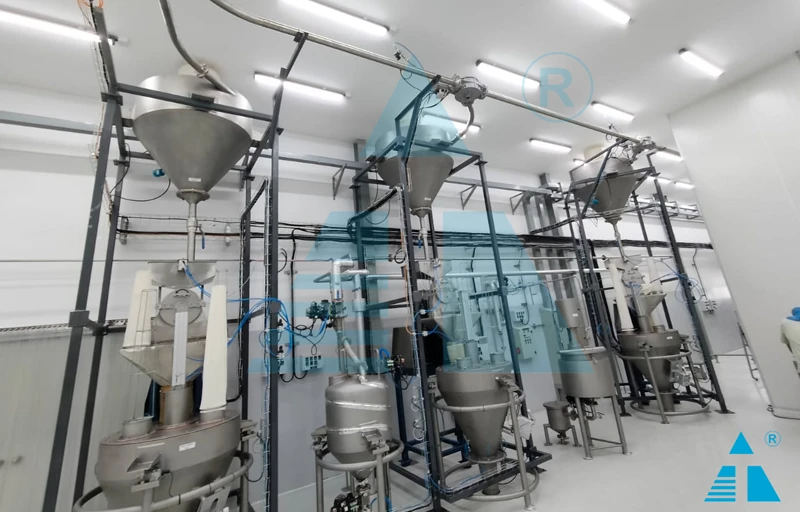
Belt Conveyors: Ideal for transporting bulk materials over long distances, especially when precise control and gentle handling are required.Screw Conveyors: Suitable for moving powders and granular materials in a controlled manner, often used in confined spaces.Pneumatic Conveyors: Utilize air pressure to transport materials through pipelines, perfect for materials that need to be conveyed over large distances or through complex routes.Chain Conveyors: Used for heavy or bulky items that need to be moved horizontally or inclined.Consider the specific requirements of your manufacturing process to determine which system type aligns best with your needs.
3. Analyze Capacity and Speed Requirements
Capacity and speed are critical factors in choosing a conveying system. You need to match the system’s capacity with your production demands to ensure it can handle the required throughput. Additionally, the speed at which the system operates should align with your manufacturing pace to maintain efficiency without causing bottlenecks.
4. Consider Space and Layout
The available space in your facility and the layout of your production line play a significant role in selecting a conveying system. Assess the dimensions of your workspace and the configuration of your equipment to determine how much space the conveying system will require. Some systems, like pneumatic conveyors, are more flexible in terms of space, while others may need specific layouts to function optimally.
5. Evaluate Maintenance and Operating Costs
Maintenance and operating costs are important considerations for long-term efficiency and cost-effectiveness. Some conveying systems may require frequent maintenance or have higher energy consumption, impacting overall operational costs. Evaluate the maintenance requirements and operational expenses of different systems to choose one that offers a good balance between performance and cost.
6. Explore Prochem Solutions
Prochem offers a range of advanced conveying systems designed to meet various manufacturing needs. Their expertise and innovative solutions can help you find the right system tailored to your specific requirements. Prochem’s systems are known for their reliability, efficiency, and ease of maintenance, making them a valuable partner in optimizing your material handling processes.
Conclusion
Choosing the right conveying system for your manufacturing process is a critical decision that impacts efficiency, productivity, and cost-effectiveness. By assessing your material handling needs, evaluating different system types, analyzing capacity and speed requirements, considering space and layout, and exploring solutions from experts like Prochem, you can make an informed choice that enhances your manufacturing operations. Investing time in selecting the right conveying system will ensure a smoother, more efficient production process and contribute to the overall success of your manufacturing endeavors.








Sign in to leave a comment.