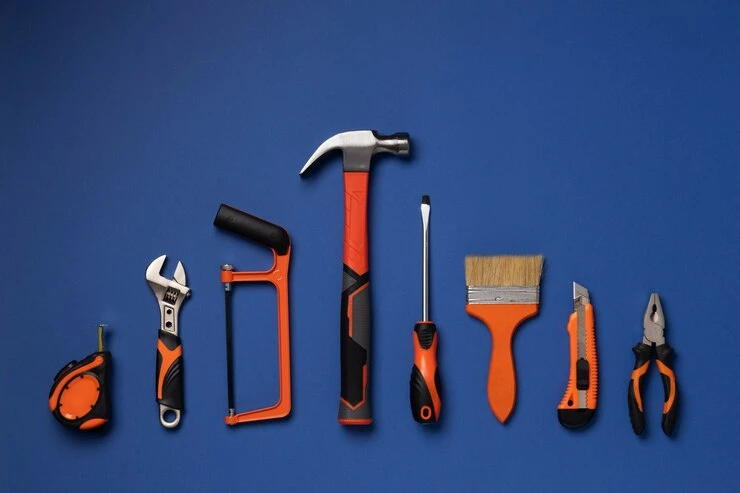

Fastening tools are indispensable for home improvement projects, providing the necessary precision and strength to secure materials together. With a wide variety of tools available, selecting the right one can be challenging. This guide will help you understand the key factors to consider and the best fastening tools for different applications.
1. Understand the Scope of Your Project
Before investing in a fastening tool, analyze the specific needs of your project. Ask yourself:
- What materials are being fastened?
- Wood, metal, drywall, or plastic require different tools.
- What is the scale of the task?
- Small DIY tasks may need simple tools, while larger projects demand advanced power tools.
2. Types of Fastening Tools
Here are some common fastening tools and their applications:
a) Hammer and Nails
- Best for: Woodworking, framing, and basic carpentry.
- Advantages: Affordable and easy to use.
- Limitations: Manual effort required and less precision for complex tasks.
b) Screwdrivers and Screws
- Best for: Assembling furniture, hanging shelves, and small repairs.
- Advantages: Simple to use, great for light-duty tasks.
- Limitations: Time-consuming for large projects.
c) Nail Guns (Pneumatic or Electric)
- Best for: Framing, decking, and construction work.
- Advantages: High-speed and efficient.
- Limitations: Requires an air compressor (for pneumatic) and is more expensive.
d) Staple Guns
- Best for: Upholstery, crafting, and securing lightweight materials.
- Advantages: Versatile and easy to handle.
- Limitations: Limited to specific material types.
e) Rivet Guns
- Best for: Securing metal pieces, such as gutters and sheet metal.
- Advantages: Creates a strong and permanent bond.
- Limitations: Primarily for metalwork.
f) Power Drills with Screwdriver Bits
- Best for: Drilling and driving screws into wood, drywall, or metal.
- Advantages: Multi-functional and time-saving.
- Limitations: Requires proper maintenance.
3. Evaluate Key Features
When selecting a fastening tool, consider these factors:
- Power Source: Manual, electric, or pneumatic tools offer different levels of performance and convenience.
- Ergonomics: Choose tools with comfortable grips and lightweight designs for prolonged use.
- Durability: Invest in tools made from high-quality materials to ensure longevity.
- Adjustability: Tools with adjustable settings offer more control and versatility.
4. Budget Considerations
Fastening tools come in a range of prices. For occasional DIY projects, opt for affordable manual tools. For regular or large-scale tasks, investing in power tools can save time and effort.
5. Safety First
Always prioritize safety when using fastening tools:
- Wear protective gear, such as gloves and goggles.
- Follow manufacturer instructions for operation.
- Keep tools out of reach of children.
Conclusion
Choosing the right fastening tool for your home improvement project involves understanding your requirements, evaluating tool features, and balancing your budget. Whether you're a novice or a seasoned DIY enthusiast, the right tool can make all the difference in achieving a professional-quality finish.
Equip yourself with the appropriate fastening tool, and tackle your next project with confidence!



























Sign in to leave a comment.