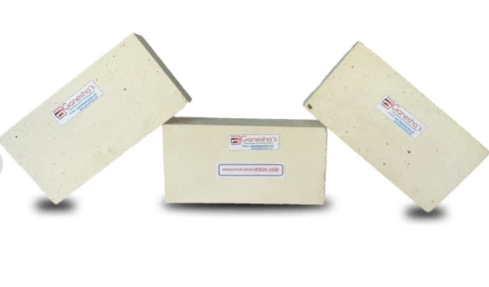

Many industrial facilities struggle with energy costs that could be cut significantly with the right insulation bricks. The difference between a well-insulated furnace and a poorly insulated one goes beyond fuel bills. It affects equipment longevity, worker comfort, and environmental compliance.
Most facility managers assume all fire bricks serve the same purpose. This assumption costs money. While dense refractory bricks handle extreme temperatures, insulation bricks prevent heat loss and reduce energy consumption. Companies often save thousands monthly by switching from standard refractories to proper insulating materials.
Key Takeaways
- Why thermal conductivity matters more than strength for insulation applications
- Five main types of insulation bricks and where each works best
- Temperature ratings you actually need
- How to spot quality insulating brick suppliers who know their stuff
- Real-world cost comparisons that affect your bottom line
What Actually Makes Insulation Bricks Work
The secret lies in microscopic air pockets. Unlike solid refractory bricks that rely on dense materials to resist heat, insulating fire brick traps air in thousands of tiny chambers. Picture a down jacket versus a leather coat. Both protect you, but one keeps you warm while the other just blocks the wind.
Steel plants often burn through fuel costs because someone installed dense fire bricks where insulation was needed. Furnace walls become so hot that workers can't stand within three feet. After switching to proper refractory insulation bricks, energy consumption typically drops by 30-40%, and workspaces become tolerable.
Here's what really matters when evaluating options:
Thermal conductivity trumps everything else. Numbers below 0.5 W/mK at operating temperature indicate good performance. Anything above 1.0 W/mK wastes money on fuel costs.
Service temperature needs a safety margin. If your furnace runs at 1800°F, don't buy bricks rated for exactly 1800°F. Choose 2000°F minimum. Temperature spikes happen, and replacement costs hurt budgets.
Bulk density tells the insulation story. Lower density usually means better insulation, but balance is key. Too light, and they crumble under pressure. Too heavy, and they don't insulate effectively.
Types That Actually Matter in Real Operations
High Alumina Insulation Bricks
These workhorses contain 48-90% alumina and handle most industrial applications reliably. They work in everything from heat treatment furnaces to ceramic kilns. They remain stable up to 2300°F and resist thermal shock failures.
The trade-off involves higher upfront costs that pay back through energy savings. Cement plants that replace standard lining with high alumina insulation bricks often recover investments within eight months through reduced fuel consumption.
Lightweight Insulation Bricks (Clay-Based)
These represent the standard choice for most furnace applications. With 30-46% alumina content, they balance cost and performance effectively. They work well for backup insulation layers and areas without direct flame contact.
They excel in industrial kilns where temperature consistency matters more than extreme heat resistance. Pottery manufacturers switching to clay-based insulation bricks often see firing times improve by 20% due to better heat retention.
Mullite Insulation Bricks
When thermal shock threatens operations, mullite provides the solution. These heat resistant insulation bricks handle rapid temperature changes that crack other materials. Glass manufacturers rely on them for regenerative furnaces with dramatic temperature swings.
The price premium makes sense when calculating replacement costs. Mullite bricks typically last three times longer than standard options in high-cycling applications.
Silica Insulation Bricks
Acidic environments require acidic solutions. Silica bricks weigh less than clay options and work perfectly for blast furnace tops and steel rolling operations. Their low bulk density helps when structural weight becomes a concern.
Steel plants reduce furnace roof loads by 40% when switching to silica insulation bricks. This allows equipment life extensions without major structural modifications.
Alumina Hollow Ball Bricks
These premium options justify their cost through performance. The hollow sphere structure creates insulation properties that seem impossible. Surface temperatures run 300°F cooler than solid brick alternatives in identical applications.
They cost more, but for ultra-high temperature kilns or situations where every BTU counts, nothing else compares. Specialized metals processors often save enough in energy costs to justify premium pricing within six months.
Choosing Based on Your Real Needs
Skip sales pitches and focus on actual operating conditions. Four questions determine the right choice:
What's your actual peak operating temperature? Not specification sheet numbers, but what pyrometers read on the hottest days. Add 200°F to that number for minimum brick ratings.
What's the atmosphere like inside? Acidic conditions from sulfur compounds? Basic environments from limestone? Neutral conditions? Each requires different brick chemistry to avoid premature failure.
Direct flame contact or backup layer? Insulation bricks aren't designed for direct flame impingement. If flames contact them directly, you need a sacrificial hot face layer first.
Any weight restrictions? Older furnace structures sometimes can't support dense materials. Lightweight insulation bricks might be the only option, regardless of performance preferences.
Finding Suppliers Who Actually Understand Applications
The difference between good and bad suppliers isn't price. It's technical knowledge. Some vendors can't explain thermal conductivity while others calculate heat loss rates instantly.
Look for suppliers who ask about specific applications before recommending products. Anyone pushing expensive options without understanding your needs probably doesn't understand insulation bricks well enough to help.
A reliable Insulation Bricks Manufacturer and Supplier in India should discuss thermal modeling, installation techniques, and long-term performance expectations. They should stock multiple grades and be honest about which options fit your budget and performance requirements.
The Bottom Line on Performance vs. Cost
Insulation bricks typically pay for themselves in 6–18 months through fuel savings and longer service life. The biggest mistake companies make is choosing purely on upfront cost without considering energy waste and replacement cycles.
Ganesha's Refractories has helped clients reduce fuel consumption by up to 40% after upgrading to the right insulation materials. While the initial investment may be higher, the long-term gains—in energy savings, equipment performance, and worker comfort—far outweigh the cost.
When energy bills run into thousands each month, the smart choice is clear: work with a supplier who understands operations and delivers insulation bricks engineered for results.























Sign in to leave a comment.