
Navigating real estate or construction requires understanding many unique facets, including surveying of the land. This process is integral in purchasing property or constructing a structure, influencing your project’s design possibilities and legal boundaries.
As a result, the individual or company you choose to conduct this survey becomes pivotal to the success of your enterprise. Therefore, having a suitable set of land surveyors can make all the difference.
This process is often veiled in technical terms and intricate details, making it a domain difficult for the uninitiated to parse. But diving headfirst empowers you with the knowledge to make sound, informed decisions.
In this blog we will discuss how to choose the right survey professionals for your land.
Understanding Land Surveying
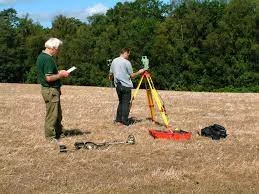
It is a specialized methodology steeped in scientific principles. It pivots on precisely calculating three-dimensional points and the angles between them. This remarkable process is instrumental in pinpointing the exact location of varying landscapes and distinct features on a piece of land. It’s like crafting an intricate, profoundly detailed map that will guide you through every contour of your property.
By leveraging this process, imagine you have an all-encompassing view of your terrains, including not just the flat monotony but every curve, rise, fall, and divergence. You get to see the pieces and the whole, thus giving you a God’s eye view.
From property boundaries, earmarking spots for real estate development, and delineating necessary infrastructure to spotting natural features like lush trees, meandering rivers, and steep slopes, the surveying helps bring all these aspects into sharp focus. It’s akin to peeling back the layers and spotlighting the oft-overlooked nooks and crannies.
With such an exhaustive database of information, the gift of knowledge it offers is limitless.
The surveying applications cover potential erosion impact, floodplain delineation, or shifting property lines. With it, you no longer stumble in the dark or leave things to chance.
The Terms And Tech Behind Land Surveying
Cadastral Surveying: This type focuses on establishing property boundaries. It's often used during property transactions and dispute resolutions.Topographical Surveying: It locates both natural and artificial features. This information assists in planning construction projects or environmental conservation efforts.Geodetic Surveying: It captures detailed images of the Earth's surface in large areas. It's vital for mapping and navigation purposes.Why is Land Surveying Significant?
With a firm grasp of the basic understanding of this surveying and its multifaceted functions, let us delve deeper into its significance.
Notably, land survey goes beyond scientific data collection - it’s an activity of great importance that circles back to the heart of our built environments and landscapes.
It is a backbone for construction, transportation, and communication, providing vital information for planning and design. Its role extends to legal disputes, too, offering valuable data during the buying or selling of land and assisting in settling boundary conflicts.
In essence, it ensures that land is utilized most effectively and beneficially, providing stakeholders with accurate, unbiased, and comprehensive information. Therefore, it becomes an indispensable part of any land-related project.
Selecting the Right Land Surveyor
A land surveyor’s crucial role in your land-based project cannot be downplayed. The right surveyor provides precise data collection and fosters seamless communication, thereby acting as a critical bridge between the technical aspect of the project and its practical applications.
Choosing the correct surveyor is a critical step in the successful implementation of your project. It’s akin to setting a solid foundation for a building – it enhances the overall project outcome and prevents potential issues.
Qualifications: The importance of a well-qualified land surveyor is paramount. Make sure to verify their educational background, training, and practical experience to confirm their adequacy for your specific project.References: Client references are a treasure trove of information about the work quality and reliability of the surveyor. Do invest time in seeking out the opinions and experiences of past clients.Communication skills: A good surveyor will be technically proficient and effective. They should be adept at simplifying complex details so those without a technical background can readily comprehend them.Choosing the right surveyor requires due diligence and time investment, but it’s worth it in the long run. It’s a decision that significantly impacts the results of your land project, be it a construction project, a land purchase, or a conservation initiative.
So, the question remains - how does one pick the right land surveyor for a project? Here are some crucial tips:
Experience and expertise in surveying are strong indicators of a surveyor's capability.Always verify the land surveyor's credentials and make sure they have a valid license to practice.Evaluate the cost of the surveyor's services, keeping their level of service in mind.Prior reviews and testimonials offer insight into the surveyor's work quality and professionalism.Modern surveying heavily relies on technology. Thus, ensuring your land surveyor uses advanced tools and techniques is essential.Factors Influencing Land Surveyor Cost
Selecting the right land surveyor cost for your project is an essential step, but before making your decision, you’ll also need to take into account another key factor: the cost involved.
The cost of hiring a land surveyor is subject to a variety of factors, such as:
Project size: The larger the area to be surveyed, the higher the cost.Complexity: More complex projects typically involve more time and cost more.Location: The geographical location and accessibility can impact the cost.Required expertise: If the project requires specialized skills or licensing, this can add up to the cost.Considering these factors, anticipate that a land surveyor’s cost could range from a few hundred to a couple thousand dollars. Knowing the potential costs beforehand will make your project’s financial planning more accurate and efficient.
Getting a Quote
Contacting potential land surveyors for quotes is the first step towards understanding the approximate cost you should expect. Ensure to provide them with as much accurate information about the project as possible. This helps in getting an accurate quote without surprises along the way.
Value for Money
While cost is essential, you shouldn’t compromise on expertise and quality. A less experienced or lower-graded professional might cost less upfront but could lead to errors and delays that cost more in the long run.
Evaluating the best value for money in terms of the surveyor’s qualifications, recommendations, and experience is crucial for a successful land survey.
Choosing the right land surveyor is not only about cost but also about value for money. The most qualified surveyor will provide accurate information, peace of mind, and long-term savings.
Conclusion
A reliable, well-versed land surveyor is crucial when undertaking a land project. This expert’s role extends from determining land boundaries to providing essential insights for effective land management. With the right surveyor, you can efficiently navigate your project’s requirements, saving time and resources.
In situations where you’re selling property or designing a land development plan, particularly in Salt Lake City, don’t underestimate the importance of proficient “Salt Lake City Land Surveying.”
The choice of your land surveyor is a pivotal one, as the success of your project largely hinges upon this decision. So, pick prudently and ensure your project sails towards a successful completion.










Sign in to leave a comment.