When I first needed a tool to examine tiny components and intricate details, I realized that traditional magnifying glasses were not enough. Whether you are a student, hobbyist, engineer, or electronics repair technician, having the right magnification tool can make a huge difference. A modern microscope with digital capabilities offers clearer viewing, easier documentation, and a more comfortable experience.
One of the most practical solutions today is a Digital Microscope, which combines optical magnification with camera technology. Instead of peering through a small eyepiece, you can view magnified images directly on a screen, making the process much easier and more efficient.
In this guide, I’ll explain what digital microscopes are, how they work, and how to choose the right one for your needs.
What Is a Digital Microscope?
A digital microscope is an electronic device designed to magnify objects and display the image on a screen such as a computer, tablet, or built-in display. Unlike traditional microscopes, it captures images through a digital camera sensor.
This technology allows users to observe, record, and analyze tiny objects with greater convenience. Many models also allow users to capture photos or videos, which is especially useful for research, teaching, or product inspection.
Because of their versatility, digital microscopes are widely used in fields such as:
- Electronics repair
- Jewelry inspection
- Biological research
- Quality control in manufacturing
- Education and STEM learning
The ability to easily view magnified images on a larger screen makes them much more accessible for beginners and professionals alike.
Why Digital Microscopes Are Becoming More Popular
In recent years, digital microscopes have gained popularity because they simplify microscopic observation. From my experience, there are several reasons why more people are choosing them over traditional optical microscopes.
1. Easy Viewing
Instead of straining your eyes through an eyepiece, you can simply watch the magnified object on a screen. This makes long inspection sessions far more comfortable.
2. Image and Video Capture
Most digital microscopes allow you to capture high-resolution images or record videos. This is extremely helpful for documentation, presentations, and educational demonstrations.
3. Improved Collaboration
Because the image appears on a screen, multiple people can observe the same object simultaneously. This feature is particularly useful in classrooms, laboratories, or repair workshops.
4. User-Friendly Operation
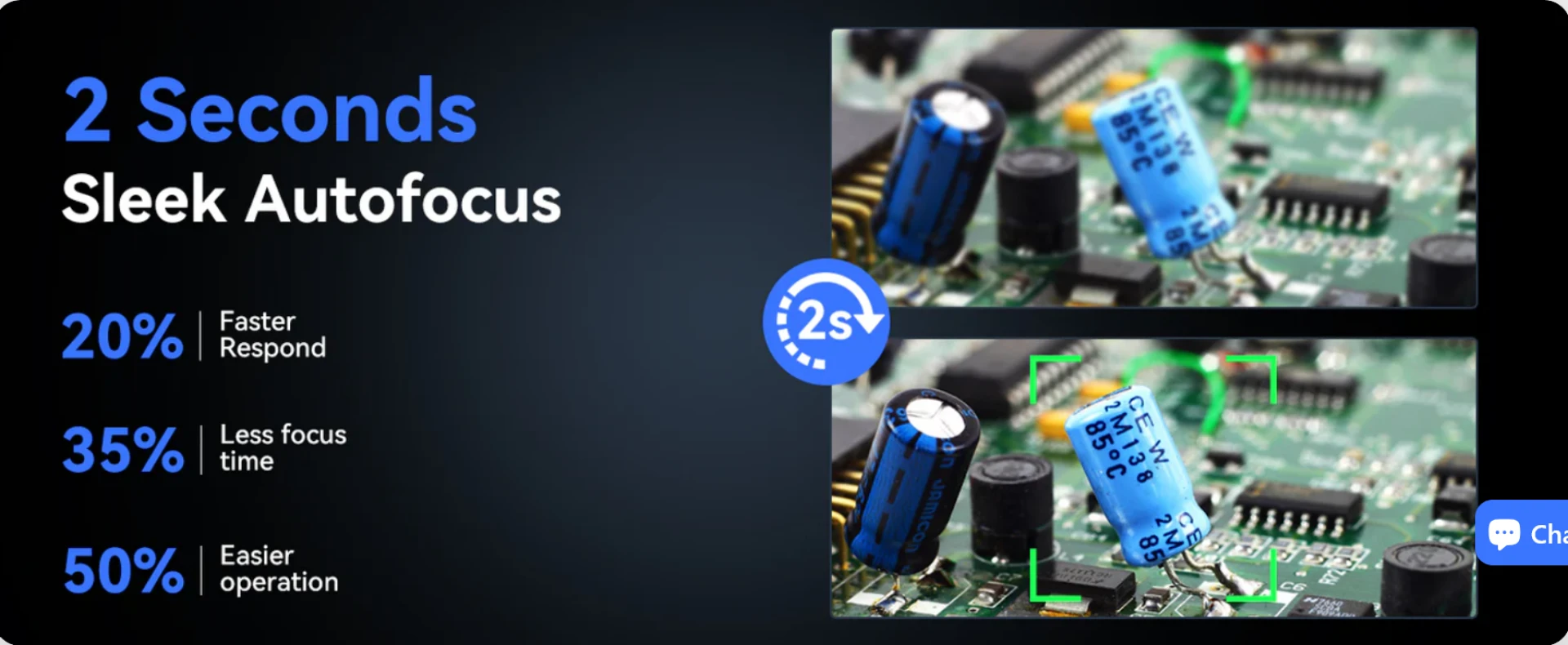
Many digital microscopes come with autofocus, adjustable lighting, and simple controls, making them easy for beginners to use.
Key Features to Look for When Buying a Digital Microscope
Choosing the right microscope can feel overwhelming because there are so many options available. However, focusing on a few essential features can make the decision much easier.
Magnification Range
Magnification determines how large the object appears. A microscope with adjustable magnification allows you to view both larger surfaces and tiny details. For example:
- Low magnification: great for coins or stamps
- Medium magnification: useful for circuit boards
- High magnification: ideal for micro components or biological samples
A flexible magnification range gives you more versatility.
Image Resolution
The camera resolution directly affects image clarity. Higher resolution sensors produce sharper images and better detail, which is especially important for professional inspections.
Lighting System
Good lighting is critical for clear observation. Many digital microscopes use built-in LED lights that illuminate the object evenly. Adjustable brightness is a useful feature because different materials reflect light differently.
Display Options
Some digital microscopes connect to computers, while others include a built-in LCD screen. A standalone screen is convenient because it allows you to use the microscope anywhere without needing extra equipment.
Autofocus and Stability
Autofocus helps keep the object sharp without constant manual adjustment. A sturdy stand or base is also important to prevent movement during inspection.
Common Uses for Digital Microscopes
Digital microscopes are incredibly versatile tools. Depending on your interests or profession, they can serve many different purposes.
Electronics Repair
Technicians often use digital microscopes to inspect circuit boards, solder joints, and microchips. The magnified view makes it easier to identify tiny faults or damaged components.
Jewelry and Coin Inspection
Collectors and jewelers rely on magnification to examine gemstones, coins, and precious metals. A digital microscope can reveal small scratches, engravings, and authenticity markers.
Educational Learning
Students studying biology, materials science, or engineering can benefit greatly from digital microscopes. Seeing microscopic structures on a screen helps make complex concepts easier to understand.
Industrial Quality Control
Manufacturers use microscopes to inspect materials, components, and finished products. This helps ensure consistent quality and detect defects before products reach customers.
Tips for Getting the Best Results
Even with a high-quality microscope, using the right techniques can improve your results.
Keep the Lens Clean
Dust and fingerprints on the lens can affect image clarity. Cleaning the lens regularly helps maintain sharp images.
Use Stable Positioning
Make sure the microscope and object remain stable during observation. Even small movements can blur the image.
Adjust Lighting Carefully
Too much light can create glare, while too little light reduces visibility. Adjust the brightness until the object is clearly visible.
Experiment With Magnification
Start with lower magnification and gradually increase it. This helps you locate the area of interest before examining fine details.
How Digital Microscopes Improve Productivity
One of the biggest advantages of digital microscopes is how they improve workflow efficiency. Tasks that once required careful manual inspection can now be completed more quickly.
For example, capturing images allows users to document findings instantly. Instead of writing lengthy descriptions, you can simply take a photo and share it with colleagues or clients.
Additionally, digital microscopes make training easier. New technicians can observe procedures on a screen rather than trying to follow instructions through a small eyepiece.
Conclusion
Digital microscopy has transformed how people observe and analyze small objects. From electronics repair to education and quality inspection, these devices provide powerful magnification combined with modern imaging technology.
By choosing a microscope with the right magnification, resolution, lighting, and display features, you can significantly improve your ability to see fine details. Whether you are a hobbyist exploring tiny worlds or a professional performing precise inspections, a digital microscope can become an invaluable tool.






























Sign in to leave a comment.