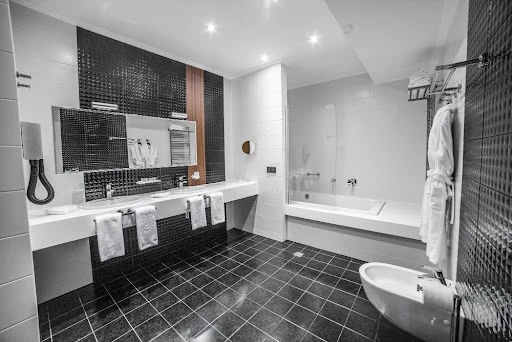

When it comes to bathroom renovations, selecting suitable tiles is crucial. Not only do tiles enhance the aesthetic appeal of your space, but they also play a significant role in the functionality and durability of your bathroom. With many available options, choosing the perfect tiles can be overwhelming. To help you make an informed decision, here's a comprehensive guide on choosing the right tiles for your bathroom renovations.
Consider the Size of the Tiles:
The size of the tiles can significantly affect your bathroom's general look and feel. Larger tiles can create a sense of spaciousness and reduce the number of grout lines, making the room appear more streamlined.
On the other hand, smaller tiles can add texture and visual interest to the space. Consider the dimensions of your bathroom and choose tile sizes that complement the room's proportions.
Evaluate the Material:
Tiles come in various materials, each with its own set of pros and cons. Ceramic tiles are a popular choice for bathroom renovations due to their durability, water resistance, and wide range of designs.
Porcelain tiles, known for their strength and low maintenance, are another excellent option. Natural stone tiles, such as marble, granite, and travertine, add a luxurious touch to the bathroom but require regular sealing to prevent staining. Consider your priorities regarding durability, maintenance, and aesthetics when selecting the tile material.
Think About Texture and Finish:
The texture and finish of the tiles can influence both the look and functionality of your bathroom. Glossy tiles reflect light and create a sleek, modern look but can be slippery when wet.
Matte or textured tiles provide better traction and are ideal for floors and shower areas, especially for households with children or elderly. Consider the level of maintenance required for different finishes and choose accordingly for bathroom renovations.
Pay Attention to Color and Pattern:
The color and pattern of the tiles can set the tone for your bathroom design. Light-colored tiles can make a small bathroom feel more spacious and airy, while dark-colored tiles add drama and sophistication.
When selecting tiles, consider the overall color scheme and style of your bathroom. Additionally, consider integrating patterns or accents to add visual interest and personality to the space.
Ensure Slip Resistance:
Safety should be a top priority when choosing tiles for your bathroom, especially for floor and shower areas. Look for tiles that are specifically designed to be slip-resistant, especially if you have young children, elderly individuals, or individuals with mobility issues in your household.
Check the tile's slip resistance rating and pick options for bathroom renovations that meet safety standards without compromising style.
Take Maintenance into Account:
Different tiles require different maintenance levels to keep them looking their best. Ceramic and porcelain tiles are generally low-maintenance and easy to clean with regular household cleaners.
Natural stone tiles may require special cleaners and sealants to protect them from stains and moisture damage. Consider your lifestyle and cleaning habits when choosing practical and easy-to-maintain tiles.
In conclusion, selecting suitable tiles for your bathroom renovations involves considering various factors such as size, material, texture, finish, color, slip resistance, and maintenance requirements. By carefully evaluating your options and prioritizing your needs and preferences, you can select tiles that enhance the aesthetics of your bathroom and meet your functional and practical requirements. You can create a beautiful and functional bathroom with appropriate tiles that you'll enjoy for years by connecting with CA Contracting.













Sign in to leave a comment.