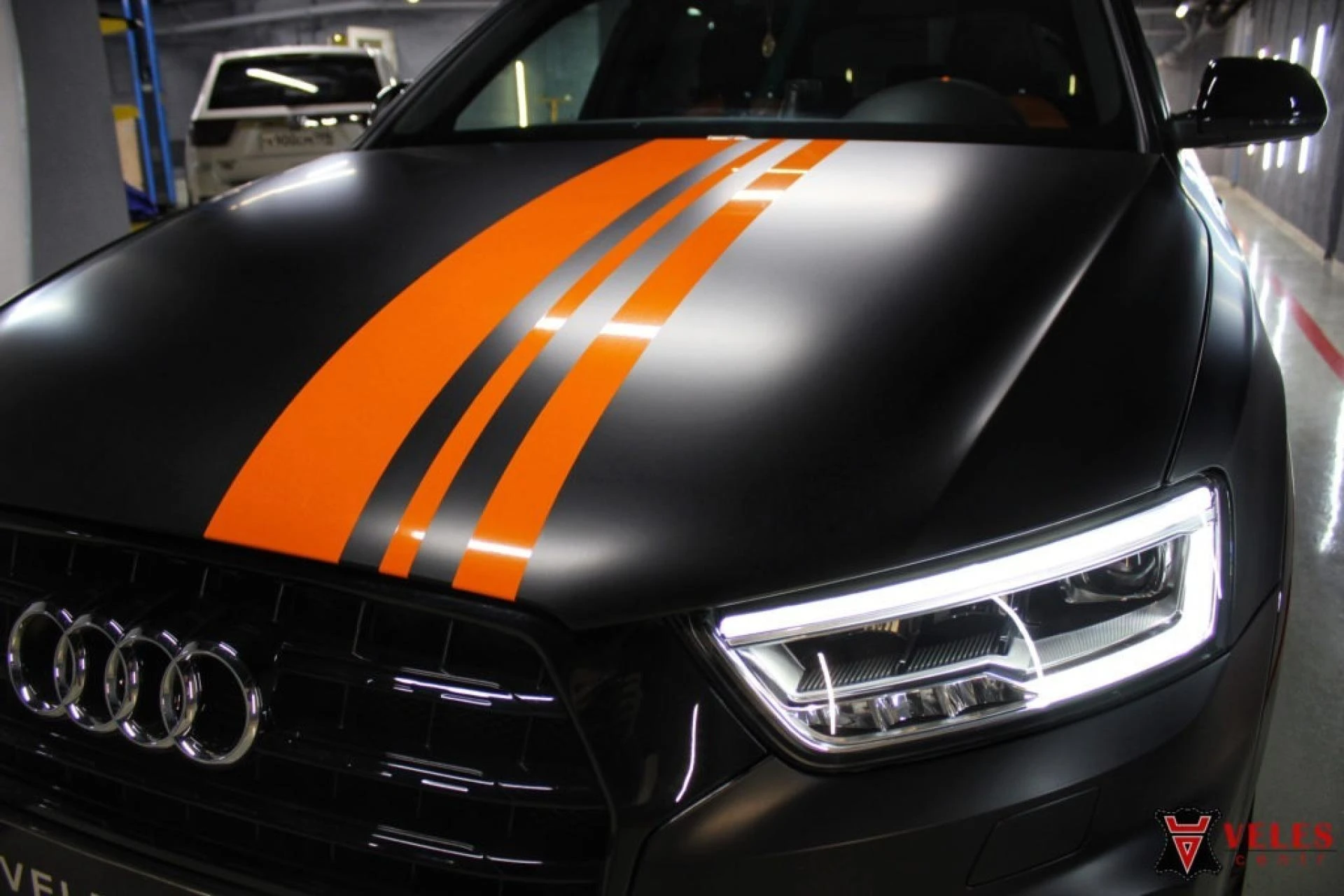

Car wrapping is a trend in automobile modification that is growing in popularity, especially in car wrapping in Australia. It gives your automobile a distinctive makeover while adding a layer of protection and customization. But it's important to make sure your automobile is in good shape before you get started with car covers. Before putting a wrap, this article will walk you through the crucial processes of cleaning and maintaining your automobile.
Benefits of Cleaning Before Vinyl Wrapping
Let's discuss the benefits of properly prepping your automobile before vinyl wrapping it and getting into the specifics. The first step in a good vinyl wrapping process is cleaning your car. The following are some main advantages:
Preserving Paint Quality
Maintaining the integrity of the existing paint is aided by cleaning your car beforehand. This makes sure the wrap sticks evenly and smoothly, which prolongs its life.
Enhanced Adhesion
A spotless surface helps the wrap stick better and keeps it from bubbling or flaking. To achieve a smooth and polished finish, this is essential.
Long-Term Protection
As part of the cleaning procedure, you take care of any underlying problems, helping to keep your car protected in the long run. This involves guarding against corrosion, rust, and contaminant-related damage.
Gathering the Necessary Supplies
To ensure a seamless and efficient cleaning experience, gather the necessary supplies for car wrapping in Australia before starting the task.
1. Recommended Cleaning Products
Gentle Car Wash Soap
It's crucial to select a mild vehicle wash soap with a pH balance. This makes it easier to get rid of filth and grime without damaging the paint or leaving behind residue.
Microfiber Cloths
To dry the automobile, use premium microfiber cloths. They reduce the possibility of scratches and are kind to the paint.
Isopropyl Alcohol
For eliminating any remaining grease, wax, or silicone-based materials from the car's surface, isopropyl alcohol works well.
Clay Bar Kit
For a smooth wrap surface, a clay bar kit is a great tool for removing embedded impurities from paint.
2. Tools for Maintenance
Soft Bristle Brush
A soft bristle brush ensures a thorough cleaning by assisting in the cleaning of complicated and difficult-to-reach sections of the car.
Applicator Squeegee
To ensure correct adhesion throughout the application procedure, an applicator squeegee is necessary for smoothing out the wrap.
Heat Gun or Hairdryer
To ensure a proper fit, shape and mold the wrap-around curves and edges with a heat gun or hairdryer.
Pre-Cleaning Inspection
Make sure you examine the outside of your automobile thoroughly before beginning the cleaning process for vinyl wrapping. Determine which current blemishes, dents, or flaws require repair. By taking this step, you can ensure that all problems are resolved before initiating the vinyl wrapping process.
Proper Car Washing Techniques
Step 1: Rinse Thoroughly
To get rid of any loose dirt or debris, start by giving your automobile a thorough water rinse.
Step 2: Use Gentle Car Wash Soap
Apply the gentle car wash soap using a sponge or soft mitt. Clean the car section by section, starting from the roof and working your way down.
Step 3: Rinse Again
After washing each section, rinse the car thoroughly to remove soap residue.
Step 4: Dry with Microfiber Cloths
Use microfiber cloths to dry the car completely, ensuring a streak-free finish.
Removing Residue and Contaminants
Step 1: Apply Isopropyl Alcohol
Apply isopropyl alcohol to a clean cloth and gently wipe the car's surface to eliminate any remaining residues.
Step 2: Use the Clay Bar
Use the clay bar kit to remove embedded contaminants. Glide the clay bar over the surface, providing a smooth canvas for the wrap.
Surface Inspection for Wrap Readiness
After cleaning, inspect the car's surface for vinyl wrapping to ensure it is ready for the wrap. Look for any remaining imperfections, as addressing them now will contribute to a flawless finish.
Addressing Minor Paint Imperfections
Step 1: Identify Imperfections
Locate any minor scratches, swirl marks, or imperfections on the paint.
Step 2: Touch-Up Paint
Use touch-up paint to address minor imperfections. Let it air dry carefully before moving on.
Step 3: Polish and Wax
Polish the affected areas to blend the touch-up paint seamlessly. Finish with a layer of wax for added protection.
Tips for Maintaining the Wrap After Installation
Once the wrap is successfully applied, it's essential to maintain its appearance and longevity.
Regular Cleaning
Clean the wrapped surface regularly using gentle car wash soap and microfiber cloths to remove dirt and contaminants.
Avoid Harsh Chemicals
Steer clear of utilizing abrasive or strong chemicals as they may harm the wrap. Stick to recommended cleaning products.
Protect from Environmental Factors
Whenever possible, park your car in a shaded area to protect the wrap from prolonged exposure to sunlight.
Conclusion
In conclusion, preparing your car before applying a wrap, especially for car wrapping in Australia, is a crucial step in ensuring successful and long-lasting customization. By following the recommended cleaning products, tools, and techniques, you set the stage for a smooth wrapping process. Additionally, addressing minor imperfections and maintaining the wrap post-installation will contribute to the overall aesthetic and protective benefits of the customization.
FAQs
1. How often should I clean my wrapped car?
Regular cleaning is recommended, ideally every two weeks, to prevent the accumulation of dirt and contaminants.
2.Can I use any car wash soap on a wrapped vehicle?
It's best to use a gentle car wash soap with a pH-balanced formula to avoid damaging the wrap.
3. Is it necessary to clay bar the car before wrapping it?
Yes, using a clay bar is essential to remove embedded contaminants and create a smooth surface for the wrap.
4. Can I apply a wrap on a car with existing paint imperfections?
It's advisable to address minor imperfections before applying a wrap to achieve a flawless finish.
5. How long does a car wrap typically last?
With proper maintenance, a car wrap can last anywhere from five to seven years, depending on environmental factors and usage.










Sign in to leave a comment.