
Welcome to the world of brick floor cleaning! In this article, we will delve into the various techniques and tips to maintain the charm and durability of brick floors.
Whether you have indoor or outdoor brick floors, this guide will provide you with the necessary knowledge to keep them clean and vibrant.
2. Understanding Brick Floors
Before diving into the cleaning process, it's essential to understand the composition and characteristics of brick floors.
Brick floors are made from fired clay and come in various types, such as clay bricks, pavers, or terracotta tiles.
They offer a rustic and earthy feel, making them popular in both residential and commercial settings.
2.1 Composition and Characteristics
Brick floors are known for their durability and resistance to wear and tear.
The composition of bricks provides them with the ability to withstand heavy foot traffic and various weather conditions.
However, they can be susceptible to staining and require regular cleaning to maintain their appearance.
2.2 Advantages and Disadvantages
Brick floors offer several advantages, such as their natural beauty, longevity, and eco-friendly nature.
They also provide excellent thermal mass, helping to regulate indoor temperatures. However, they can be porous, absorbent, and prone to accumulating dirt and stains.
With proper cleaning and maintenance, these disadvantages can be mitigated effectively.
3. Preparing for Cleaning
Before starting the cleaning process, it's crucial to gather the necessary supplies and prepare the area.
3.1 Gathering Supplies
To clean brick floors, you will need the following supplies:
Broom or vacuum cleanerSoft-bristle brushMop or spongeBucketpH-neutral cleanerStain remover (if needed)Protective gear (gloves, goggles)3.2 Removing Furniture
Ensure the area is clear of any furniture or obstacles. Remove rugs, mats, and movable objects to facilitate the cleaning process and avoid potential damage.
4. Basic Cleaning Techniques
Regular cleaning of brick floors involves simple yet effective techniques to remove dirt, dust, and debris.
4.1 Sweeping and Dusting
Start by sweeping the floor with a broom or using a vacuum cleaner with a soft brush attachment.
This step removes loose dirt and debris from the surface, preventing them from scratching the bricks during subsequent cleaning.
4.2 Mopping and Scrubbing
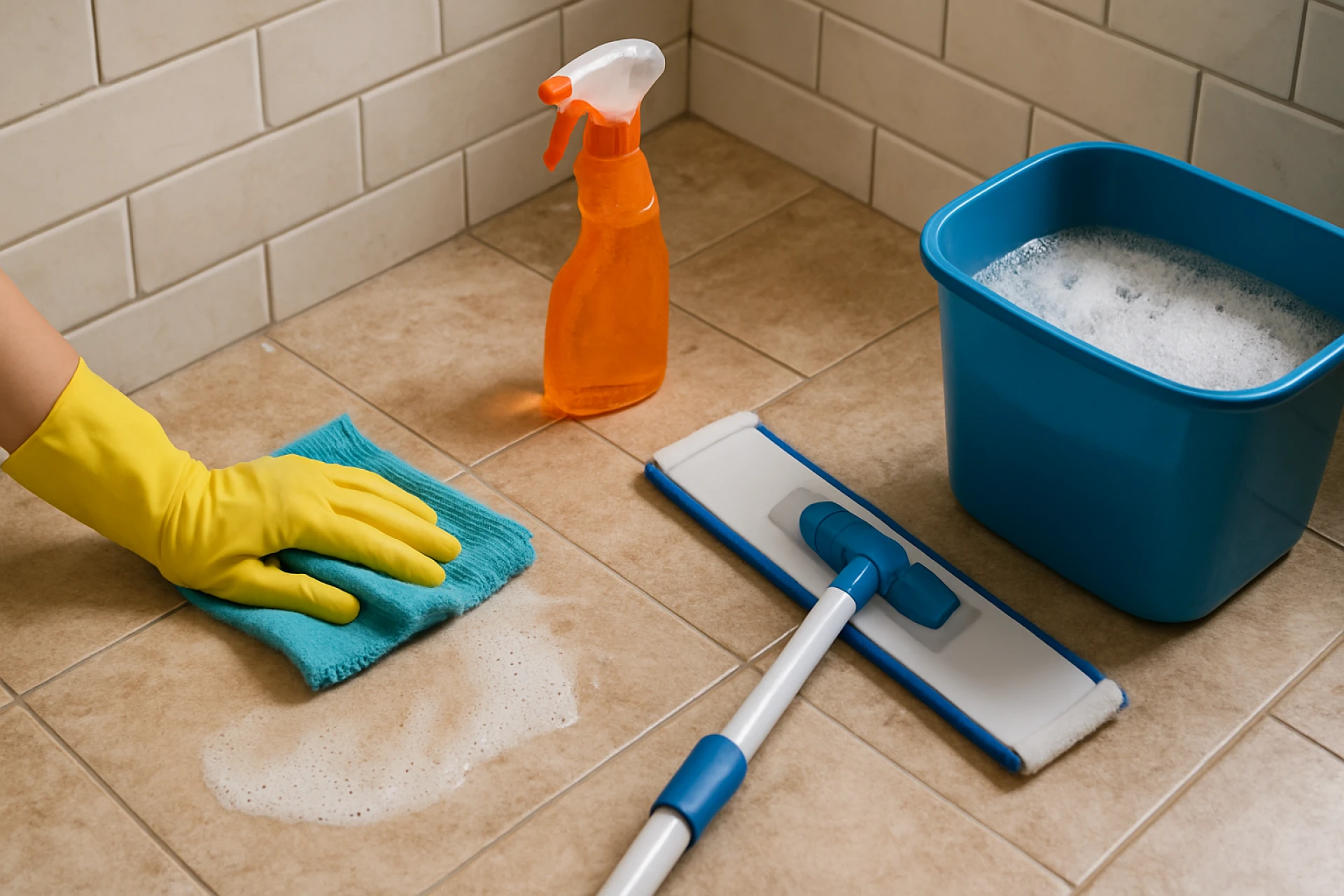
Once the surface is clear of loose dirt, proceed with mopping. Use a mop or sponge dipped in a solution of warm water and a pH-neutral cleaner.
Gently scrub the floor, paying attention to any stubborn stains or grime. Rinse the mop or sponge regularly to avoid spreading dirt around.
5. Dealing with Stains and Spills
Despite regular cleaning, brick floors can still encounter stains and spills. Here are some common types and how to tackle them effectively.
5.1 Oil and Grease
Oil and grease stains can occur in kitchens or outdoor areas with grills.
To remove these stains, sprinkle an absorbent material, such as cornstarch or baking soda, over the affected area. Allow it to sit for a few minutes, then sweep or vacuum it up.
Follow up with a mild detergent or specialized stain remover if necessary.
5.2 Rust and Efflorescence
Rust stains and efflorescence (white powdery deposits) can be stubborn to remove.
For rust, apply lemon juice or vinegar and let it sit for a few minutes. Scrub gently and rinse thoroughly.
Efflorescence can be dissolved with a mild acid solution. Consult a professional if the stains are persistent.
6. Deep Cleaning Methods
In addition to regular cleaning, occasional deep cleaning helps maintain the brick floor's appearance and longevity.
6.1 Pressure Washing
Pressure washing is an effective method for deep cleaning outdoor brick floors.
Use a pressure washer with the appropriate nozzle and adjust the pressure to avoid damaging the bricks.
Keep the nozzle at a safe distance to prevent the forceful water from dislodging the mortar.
6.2 Chemical Cleaners
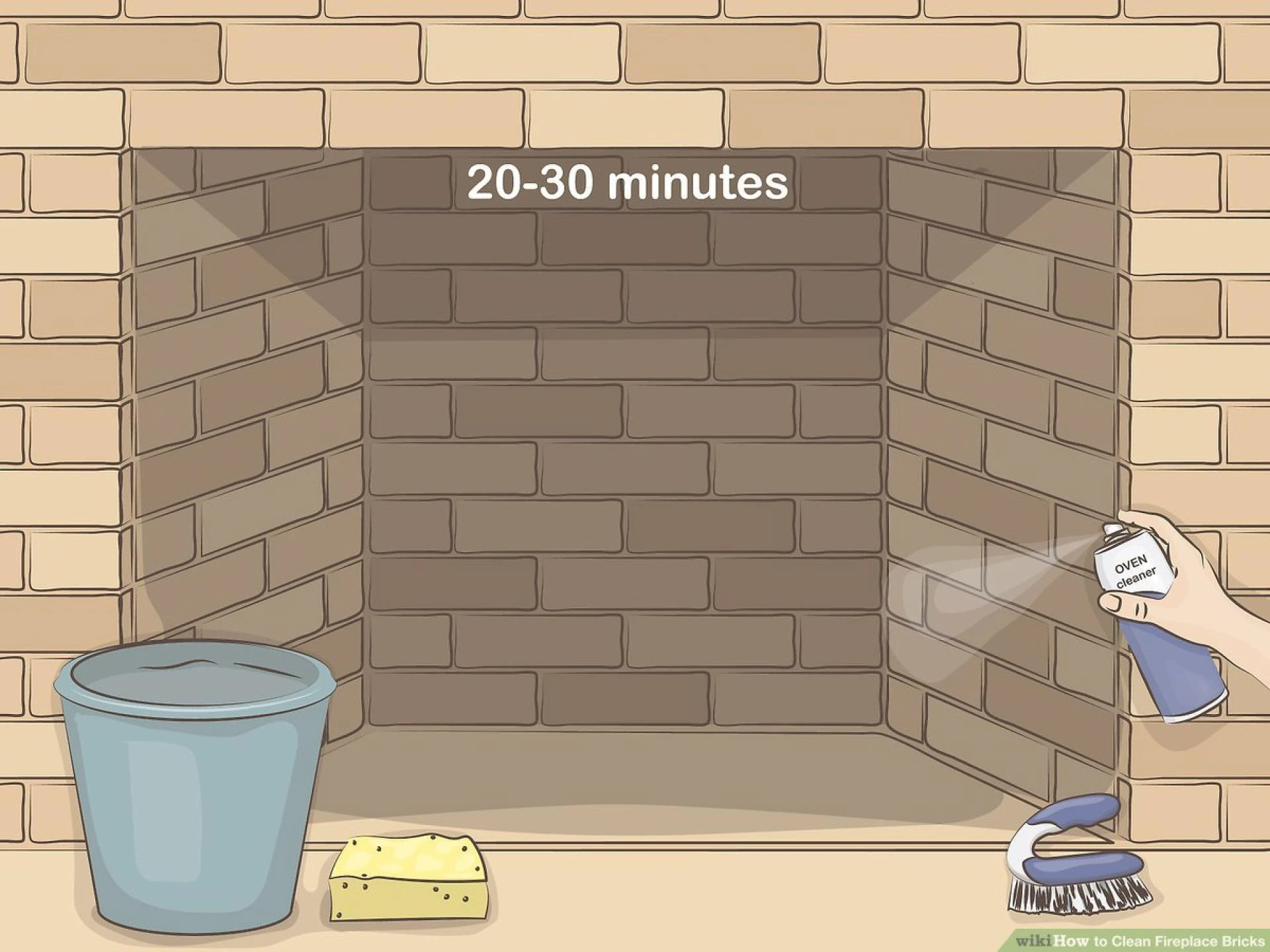
Chemical cleaners can be used for heavy stains or when regular cleaning methods are ineffective.
However, it's essential to choose a cleaner suitable for brick surfaces and follow the instructions carefully.
Test the cleaner on a small, inconspicuous area before applying it to the entire floor.
7. Maintaining Brick Floors
Regular maintenance is key to preserving the beauty and longevity of brick floors. Follow these tips to keep them in top condition.
7.1 Regular Cleaning Routine
Establish a regular cleaning routine by sweeping or vacuuming the floor weekly and mopping it with a pH-neutral cleaner every two weeks.
Consistent maintenance prevents dirt buildup and reduces the need for intensive cleaning.
7.2 Sealing and Protecting
Consider applying a sealer to protect brick floors from stains and moisture penetration.
Choose a sealer suitable for your specific brick type and follow the manufacturer's instructions for application.
Regularly inspect and reapply the sealer as needed.
8. Safety Precautions
When cleaning brick floors, it's important to prioritize safety for yourself and the environment.
8.1 Protective Gear
Wear protective gear, such as gloves and goggles, to shield yourself from any chemicals or debris during the cleaning process.
Follow safety guidelines provided by the cleaner manufacturer.
8.2 Proper Ventilation
Ensure the area is well-ventilated during cleaning to minimize exposure to fumes or strong odors.
Open windows or doors, and use fans or ventilation systems to promote air circulation.
9. Conclusion
By following this comprehensive guide, you now possess the knowledge and techniques to effectively clean and maintain brick floors.
Regular sweeping, mopping, and dealing with stains will ensure your brick floors retain their charm and durability for years to come.








Sign in to leave a comment.