In recent years, healthcare has been evolving beyond a one-size-fits-all approach. Patients today are increasingly interested in treatments that not only manage symptoms but also address root causes, improve lifestyle habits, and support long-term wellness. This shift has led to a growing interest in combining naturopathy with modern medicine—an approach often referred to as integrative healthcare. When used responsibly and under professional guidance, this combination can offer balanced, safe, and effective outcomes for many health conditions.
Understanding Naturopathy and Modern Medicine
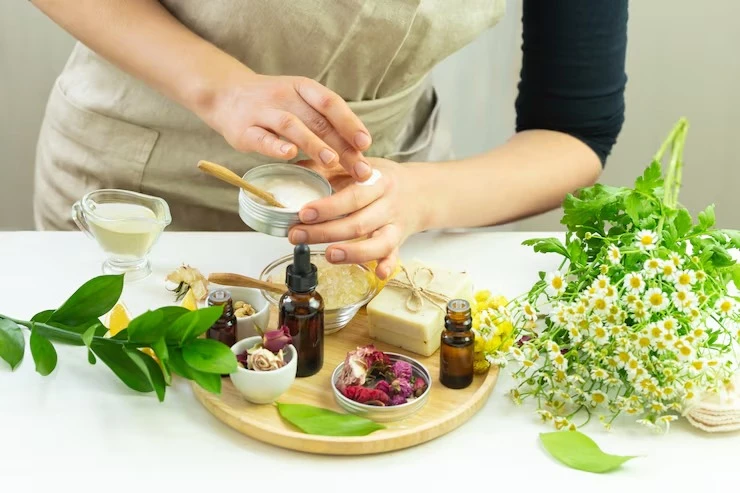
Naturopathy is a system of healing that focuses on the body’s natural ability to heal itself. It emphasizes natural therapies such as nutrition, herbal medicine, yoga, meditation, hydrotherapy, and lifestyle modification. The core principles include prevention, treating the root cause, and supporting overall well-being rather than just suppressing symptoms.
Modern medicine, on the other hand, is evidence-based and relies on diagnostics, pharmaceuticals, surgery, and advanced technology. It excels in acute care, emergency treatment, infectious diseases, and complex diagnostics. While highly effective, it may sometimes focus more on symptom management than holistic wellness.
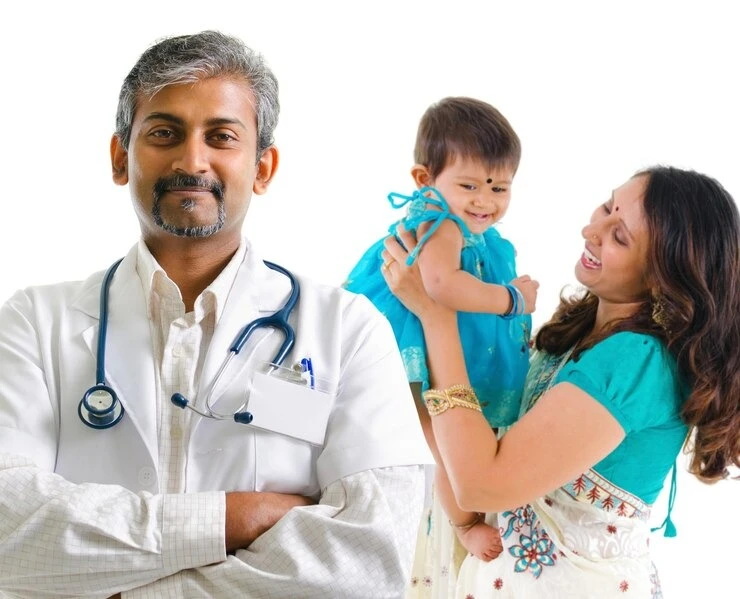
Combining these two approaches allows patients to benefit from the strengths of both systems—scientific precision and natural healing support.
Why an Integrative Approach Makes Sense
An integrative approach is not about choosing one system over the other. Instead, it focuses on using the right tool at the right time. For example, modern medicine is essential for diagnosing conditions accurately through blood tests, imaging, and clinical evaluations. Once a diagnosis is confirmed, naturopathic therapies can support recovery, reduce side effects, and improve quality of life.
This approach is particularly useful for managing chronic conditions such as diabetes, arthritis, digestive disorders, stress-related illnesses, and lifestyle diseases. Patients often find that while medicines control symptoms, naturopathy helps them feel more energetic, balanced, and resilient in the long run.
Practical Ways to Combine Naturopathy with Modern Medicine
One of the most important steps in combining these systems is professional coordination. Patients should always inform their doctors about any natural therapies, supplements, or alternative treatments they are using. This helps avoid interactions and ensures safety.
Platforms like DocMed make it easier for patients to find qualified healthcare professionals across specialties, enabling better coordination between modern medical practitioners and wellness-focused experts.
Another practical step is to use modern diagnostics alongside natural treatment plans. For instance, regular blood tests can monitor how well a patient is responding to dietary changes, stress management techniques, or herbal support. This data-driven approach ensures that natural therapies are effective and adjusted when needed.
Role of Nutrition and Lifestyle
Nutrition is one of the strongest bridges between naturopathy and modern medicine. Doctors often recommend dietary changes for conditions like high blood pressure or cholesterol. Naturopathy complements this by offering personalized nutrition plans, mindful eating practices, and natural detoxification methods.
Similarly, lifestyle interventions such as yoga, breathing exercises, and meditation are increasingly recognized by modern medicine for their role in reducing stress, improving mental health, and supporting cardiovascular wellness. When prescribed alongside conventional treatment, these practices can significantly enhance outcomes.
Safety, Evidence, and Accountability
A common concern about combining therapies is safety. This is why evidence-based naturopathy and qualified practitioners are essential. Not all natural remedies are suitable for everyone, and some may interfere with medications. An integrative plan should always be personalized, monitored, and adjusted based on clinical evidence and patient response.
Patients should avoid self-medication and internet-based advice without verification. Instead, they should rely on trusted healthcare platforms and professionals who understand both systems and prioritize patient safety.
Patient-Centered Care and Long-Term Benefits
One of the biggest advantages of combining naturopathy with modern medicine is the focus on patient-centered care. Patients are encouraged to take an active role in their health by understanding their condition, making informed lifestyle choices, and committing to preventive care.
Over time, this approach can reduce dependency on medications, lower healthcare costs, and improve overall well-being. It also empowers patients to manage stress, sleep better, and maintain healthier routines—factors that are often overlooked in conventional treatment alone.
For those seeking guidance or wishing to explore integrative care options, reaching out through Contact us can be a practical first step toward finding the right support and medical expertise.
When to Be Cautious
While integration offers many benefits, it is not suitable for every situation. Emergency conditions, severe infections, trauma, and surgical needs require immediate modern medical intervention. Naturopathy should be used as a supportive or preventive approach, not as a replacement for essential medical care.
Pregnant women, elderly patients, and individuals with complex medical conditions should be especially cautious and always consult qualified doctors before starting any alternative therapy.
The Future of Integrated Healthcare
Healthcare is steadily moving toward a more holistic, personalized model. As research continues to validate the benefits of lifestyle medicine, nutrition, and mind-body practices, the integration of naturopathy and modern medicine is likely to become more structured and widely accepted.
Hospitals and clinics are already beginning to adopt integrative care models that combine clinical excellence with wellness support. This evolution reflects a deeper understanding that true health is not just the absence of disease, but a state of physical, mental, and emotional balance.
Frequently Asked Questions (FAQs)
1. Can naturopathy and modern medicine be used together safely?
Yes, when guided by qualified healthcare professionals, combining both systems can be safe and effective. Coordination and transparency are key.
2. Will natural therapies replace my prescribed medicines?
No. Naturopathy is usually supportive. Any change in medication should only be made by a qualified medical doctor.
3. Are natural treatments scientifically proven?
Some naturopathic therapies are supported by research, especially in nutrition, stress management, and lifestyle medicine. Evidence-based selection is important.
4. Who benefits most from an integrative approach?
Patients with chronic conditions, lifestyle-related diseases, and those seeking preventive care often benefit the most.
5. How do I start combining these approaches?
Begin by consulting a qualified doctor, share all treatments you are considering, and create a coordinated, personalized health plan.
By thoughtfully combining naturopathy with modern medicine, patients can achieve a more balanced, informed, and sustainable approach to health—one that supports healing today and wellness for the future.
Sign in to leave a comment.