
Introduction:
In today's fast-paced world, staying fit and healthy is a priority for many people. With the rise of smartphones and wearable devices, fitness apps have become indispensable tools for individuals looking to track their exercise, monitor their progress, and stay motivated on their fitness journey. In this comprehensive guide, we'll explore how to create a fitness app that meets users' needs and stands out in the competitive market of fitness app development.
What Are Fitness Apps?
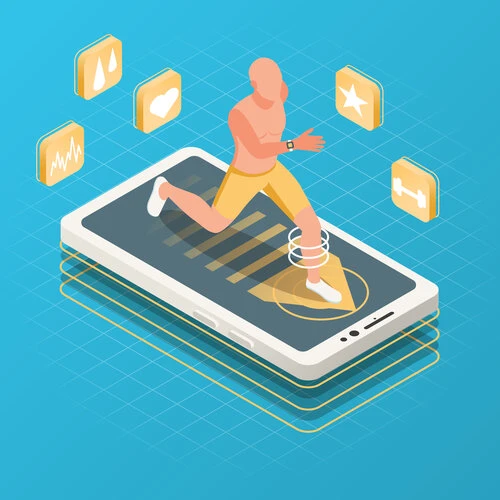
Fitness apps are mobile applications designed to help users track and manage their physical activity, nutrition, and overall health. These apps offer a wide range of features and functionalities, from workout tracking and goal setting to meal planning and community support. By leveraging the capabilities of smartphones and wearable devices, fitness apps provide users with personalized guidance, motivation, and accountability on their journey towards better health and fitness.
Must-Have Features of Fitness Apps:
Workout Tracking: Allow users to log their workouts, including exercises performed, duration, and intensity. Provide options for tracking different types of activities, such as cardio, strength training, yoga, and more. Goal Setting: Enable users to set specific fitness goals, such as weight loss, muscle gain, or improved endurance. Provide tools for tracking progress towards these goals and celebrating achievements along the way. Personalized Recommendations: Offer personalized workout plans, exercise routines, and nutrition advice based on users' goals, fitness level, and preferences. Use algorithms and machine learning to adapt recommendations over time based on user feedback and performance. Progress Tracking: Provide visualizations and reports to help users track their progress over time, including metrics such as weight, body measurements, workout frequency, and performance improvements. Allow users to set milestones and celebrate achievements as they reach their goals. Social Sharing: Enable users to share their workouts, achievements, and progress with friends, family, and the broader fitness community. Encourage social interaction, competition, and support to keep users motivated and engaged.Nice-To-Have Features for Fitness Apps:
Integration with Wearable Devices: Allow users to sync data from wearable devices such as fitness trackers, smartwatches, and heart rate monitors to track activity more accurately and seamlessly. Nutrition Tracking: Offer tools for logging food intake, counting calories, and monitoring macronutrient intake to support users' overall health and fitness goals. Customizable Workouts: Provide options for users to create custom workouts tailored to their preferences, equipment availability, and fitness level. Allow users to save and share their favorite workouts with others. In-App Challenges and Competitions: Organize virtual challenges, competitions, and leaderboards to motivate users and foster a sense of community and camaraderie among app users. Integration with Health and Fitness Services: Partner with third-party services such as personal trainers, nutritionists, and wellness coaches to offer premium features, personalized coaching, and expert advice within the app.Check more details on healthcare integration services.
6 Steps to Build a Great Fitness App:
Define Your Target Audience: Identify your target demographic, including age, gender, fitness level, and goals. Understand their needs, preferences, and pain points to tailor your app's features and user experience accordingly. Conduct Market Research: Analyze the competitive landscape and identify opportunities for differentiation and innovation. Gather insights from potential users through surveys, focus groups, and interviews to validate your app concept and gather feedback for improvement. Design Your App: Create wireframes and prototypes to visualize the app's user interface, navigation, and features. Focus on simplicity, usability, and visual appeal to provide a seamless and enjoyable user experience. Develop Your App: Choose the right development platform and technologies based on your app's requirements and target audience. I work with experienced developers and designers to build a high-quality app that meets performance, security, and scalability standards.Check our Healthcare App Development Services.
Test and Iterate: Conduct thorough testing to identify and address any bugs, glitches, or usability issues. Gather feedback from beta testers and early users to iterate on your app's design and functionality before launching it to the public. Launch and Market Your App: Plan a strategic launch strategy to generate buzz and attract users to your app. Leverage digital marketing channels such as social media, email, and app store optimization (ASO) to reach your target audience and drive downloads. Continuously monitor app performance, gather user feedback, and iterate on your app's features and marketing strategies to ensure long-term success.Wrap Up:
Creating a successful fitness app requires careful planning, user-centric design, and continuous iteration based on user feedback and market trends. By incorporating must-have features, exploring nice-to-have functionalities, and following a systematic development process, you can create a fitness app that meets users' needs, drives engagement, and helps them achieve their health and fitness goals. With the right combination of technology, creativity, and dedication, your fitness app has the potential to make a meaningful impact on users' lives and contribute to their overall well-being.











Sign in to leave a comment.