
The history of circuit boards dates back to the early 20th century when the radio technology was rapidly evolving. In 1903, the American inventor, Albert Hanson, filed a patent for a prototype of the circuit board, which was designed to replace bulky wiring in the construction of radios.
The first circuit board was invented in 1936 by the Austrian engineer, Paul Eisler. He designed a prototype of printed circuit board (PCB) while working on a radio set for a factory in England. His invention used a copper foil laminated onto a substrate made of insulating material, which allowed the components of a circuit to be mounted directly onto the board. This simplified the manufacturing process, reducing costs and improving reliability.
During World War II, the demand for electronic devices increased, and PCBs became an essential component of military radios and other electronic equipment. After the war, the technology spread to the consumer electronics industry, and PCBs became widely used in radios, televisions, and other appliances.
In the 1960s and 70s, the development of integrated circuits (ICs) led to further advancements in PCB technology. ICs allowed for more complex circuits to be built on smaller boards, making electronic devices more compact and efficient.
Today, PCBs are an integral part of all electronic devices, from smartphones and computers to medical equipment and automobiles. They have revolutionized the electronics industry, making it possible to create smaller, more powerful, and more reliable devices than ever before.
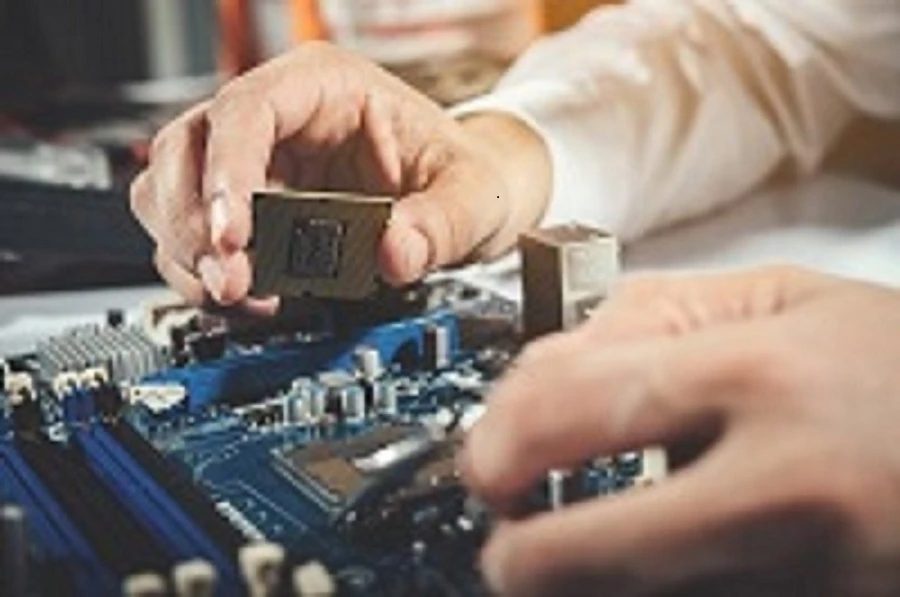
PCBs are made up of thin plate of insulating material that are used to connect and support electronic components.











Sign in to leave a comment.