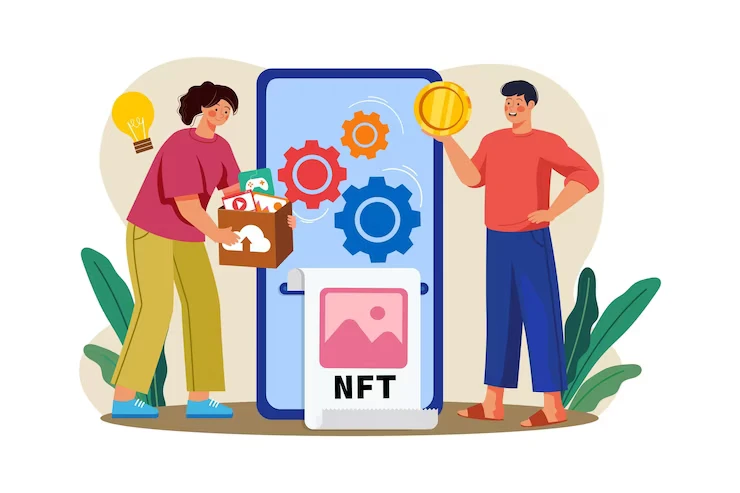

Introduction to NFTs: Understanding the Basics
In recent years, NFTs (Non-Fungible Tokens) have taken the digital world by storm, revolutionizing how we perceive and interact with digital assets. NFTs have opened up new opportunities for creators, artists, developers, and businesses to tokenize and monetize their unique digital creations. As the NFT market continues to grow, understanding the basics of NFT development has become essential for those looking to participate in this exciting and transformative space.
What are NFTs?
NFTs are cryptographic tokens that represent ownership of a unique item or piece of content on a blockchain. Unlike cryptocurrencies like Bitcoin or Ethereum, which are fungible and interchangeable with one another, NFTs are non-fungible, meaning each token is distinct and cannot be replicated or exchanged on a one-to-one basis.
NFT Development: The Process Unveiled
Creating a Concept and IdeaBefore diving into NFT development, it's essential to have a clear concept and idea for the digital asset you want to tokenize. Whether it's digital art, music, virtual real estate, or collectibles, having a well-defined vision is the first step towards creating a compelling NFT.
Choosing the Right Blockchain PlatformSelecting the appropriate blockchain platform is crucial in NFT development. Ethereum is the most popular choice for NFTs, with its established ecosystem and widespread adoption. However, other blockchains like Binance Smart Chain, Flow, and Tezos also support NFTs and may offer different advantages depending on your project's requirements.
Setting Up Your Digital WalletTo hold, manage, and interact with NFTs, you'll need a compatible digital wallet. Metamask, Trust Wallet, and Coinbase Wallet are some of the popular options that support NFTs on various blockchains.
Developing Your NFT Digital AssetCreating the digital asset that you plan to tokenize is a critical part of the development process. This could be anything from digital artwork in the form of images or videos to music files, virtual real estate, virtual goods, or even unique in-game items.
Understanding Smart Contracts and NFT StandardsSmart contracts are self-executing contracts with the terms of the agreement directly written into lines of code. NFTs are often implemented as smart contracts on the blockchain. It's essential to familiarize yourself with the NFT standards, such as ERC-721 and ERC-1155 on Ethereum, as they define the rules and functionalities for NFTs.
Minting Your NFTMinting is the process of creating and tokenizing your digital asset on the blockchain. This step involves deploying the smart contract and adding the necessary metadata that describes your NFT's attributes, rarity, and ownership details.
Gas Fees and Transaction CostsWhen minting NFTs or performing any actions on the blockchain, you'll encounter gas fees, which are the costs associated with executing transactions. Managing gas fees effectively is crucial to ensure cost-efficiency in NFT development.
In this blog post, we will explore each step of the NFT development process in detail, providing beginners with the knowledge and tools to get started in the exciting world of NFTs. Whether you're an artist, content creator, developer, or simply curious about the NFT space, this tutorial will equip you with the essential information to create and leverage NFTs to their full potential. Stay tuned for the upcoming sections as we embark on this NFT Marketplace development journey together.
Step 1: Defining Your NFT Concept and Idea
Creating a successful NFT starts with a well-defined concept and idea. Whether you're an artist, a content creator, a game developer, or a business owner, having a clear vision for your NFT project is crucial to its success. In this step, we'll explore the key aspects of defining your NFT concept and idea.
Identify Your Target Audience: Consider who your intended audience is and what kind of NFT they would be interested in. Understanding your target audience's preferences and interests will help you create NFTs that resonate with them.Choose Your Niche: NFTs cover a wide range of assets, from digital art and music to virtual real estate and collectibles. Narrowing down your niche will allow you to focus your efforts and stand out in a specific market.Uniqueness and Rarity: NFTs derive their value from their uniqueness and rarity. Think about how your NFT will be distinct from others in the market. Whether it's limited editions, special attributes, or one-of-a-kind creations, rarity adds value to your NFT.Storytelling and Emotion: Craft a compelling story or emotional connection around your NFT. People often invest in NFTs because they resonate with the story behind the asset. Use storytelling to engage your audience and make your NFT more appealing.Intellectual Property and Copyrights: Ensure that your NFT concept complies with intellectual property laws and copyrights. If you're using third-party content, make sure you have the necessary rights or licenses to tokenize and sell it.Utility and Interactivity: Consider adding utility or interactive features to your NFT. This can include in-game functionality, access to exclusive content, or membership perks. Providing additional value enhances the overall appeal of your NFT.Collaborations and Partnerships: Explore opportunities for collaborations with other artists, creators, or brands. Partnering with well-known names can increase the visibility and credibility of your NFT project.Market Demand and Trends: Research the current market demand and trends in the NFT space. Understanding what's popular and sought after can help you tailor your concept to meet market demands.Long-term Viability: Think about the long-term viability of your NFT project. Is it a one-time release, or can you expand on the concept in the future? Consider how your NFT will fit into the evolving landscape of NFTs.By carefully defining your NFT concept and idea, you set the foundation for a successful and engaging project. Take the time to brainstorm, research, and refine your concept before moving on to the next steps in NFT development. Remember that creativity, originality, and understanding your audience are key elements that will contribute to the overall success of your NFT venture.
Step 2: Choosing the Right Blockchain Platform
Selecting the appropriate blockchain platform is a crucial decision in NFT development. Different blockchains offer varying features, capabilities, and communities, so choosing the right one for your NFT project can significantly impact its success. In this step, we'll explore the key factors to consider when choosing the right blockchain platform for your NFTs.
Ecosystem and Adoption: Consider the size and vibrancy of the blockchain's ecosystem. A well-established and widely adopted blockchain platform often provides better infrastructure, tools, and marketplaces for NFTs.Smart Contract Support: Ensure that the blockchain platform supports smart contracts, as NFTs are typically implemented as smart contracts on the blockchain. Smart contracts enable the functionality and uniqueness of NFTs.NFT Standards: Check the blockchain's support for NFT standards. The most common NFT standards are ERC-721 and ERC-1155 on Ethereum. Each standard has its advantages, so choose one that aligns with your project's requirements.Scalability and Transaction Fees: Evaluate the blockchain's scalability and transaction fees. High transaction fees and network congestion can impact the cost-effectiveness and user experience of your NFT project.Community and Developer Support: Assess the level of community and developer support on the blockchain platform. A strong and active community can provide valuable resources, collaborations, and exposure for your NFTs.Interoperability: Consider whether the blockchain platform is interoperable with other networks. Interoperability allows your NFTs to be used and traded across different blockchain ecosystems.Security and Reliability: Security is paramount in NFT development. Research the blockchain platform's security features and track record to ensure the safety of your digital assets and users' investments.NFT Marketplaces: Look into the existing NFT marketplaces on the blockchain. A thriving marketplace with a large user base can increase the visibility and liquidity of your NFTs.Development Tools and Resources: Check the availability of development tools, APIs, and documentation for NFT development on the blockchain platform. Easy-to-use tools can streamline the development process.Environmental Impact: Consider the environmental impact of the blockchain platform, especially in light of growing concerns about energy consumption. Some blockchains implement eco-friendly solutions.Popular Blockchain Platforms for NFT Development:
Ethereum: The pioneer of NFTs, Ethereum has a robust ecosystem, widespread adoption, and a wide range of development tools and marketplaces.Binance Smart Chain (BSC): BSC offers lower transaction fees and faster confirmations than Ethereum, making it a popular choice for NFT developers.Flow: Flow is designed for NFTs and gaming applications, offering scalability and a unique approach to user experience.Tezos: Tezos supports NFTs and focuses on on-chain governance and formal verification for security.Polygon (Matic): A layer 2 scaling solution for Ethereum, Polygon aims to improve scalability and reduce transaction costs.Ultimately, the right blockchain platform for your NFT project depends on your specific needs, budget, and target audience. Conduct thorough research and consider the factors mentioned above to make an informed decision that aligns with your vision and objectives for NFT development.
Step 3: Setting Up Your Digital Wallet
A digital wallet is a fundamental tool for interacting with NFTs and managing your digital assets securely. To participate in NFT development, you'll need to set up a compatible digital wallet that supports the blockchain platform you've chosen. In this step, we'll guide you through the process of setting up your digital wallet.
Choose the Right Wallet: First, determine which digital wallet is compatible with the blockchain platform you've selected for your NFTs. Different blockchains have their own supported wallets. For example, if you're using Ethereum, popular wallets include Metamask, Trust Wallet, Coinbase Wallet, and MyEtherWallet.Install the Wallet App: Once you've chosen a digital wallet, visit the official website or download the app from a trusted source (e.g., app stores for mobile wallets). Ensure that you download the authentic version to avoid potential scams or security risks.Create a New Wallet: Open the wallet app and follow the instructions to create a new wallet. This usually involves setting a strong password and receiving a recovery phrase (also known as seed phrase or mnemonic phrase). The recovery phrase is crucial for restoring your wallet in case of loss or device change, so store it securely and never share it with anyone.Backup Your Wallet: After creating your wallet, immediately back up your recovery phrase offline. Write it down on a piece of paper and store it in a safe place. Avoid storing it digitally or taking screenshots, as this could compromise your wallet's security.Fund Your Wallet: To interact with NFTs, you'll need to have cryptocurrency (e.g., Ether for Ethereum-based NFTs) in your wallet to cover transaction fees and NFT purchases. Purchase cryptocurrency from a reputable exchange and transfer it to your wallet address.Connect to Your Preferred Network: If your wallet supports multiple blockchains, ensure that you connect it to the network of the blockchain platform you're using for NFTs. For example, if you're using Metamask for Ethereum-based NFTs, connect it to the Ethereum mainnet or the appropriate testnet.Security Measures: Implement additional security measures offered by the wallet, such as enabling two-factor authentication (2FA) or using hardware wallets for an added layer of protection.Keep Your Wallet Updated: Regularly update your wallet app to ensure that you have the latest security patches and features.By setting up your digital wallet, you're ready to dive into the world of NFTs. Your wallet will serve as the gateway to mint, hold, buy, and sell your NFTs securely. Remember to keep your wallet information private and take the necessary precautions to protect your digital assets from unauthorized access. With a properly set up wallet, you're one step closer to creating, owning, and trading your very own NFTs on the blockchain.
Step 4: Creating Your NFT Digital Asset
Now that you have set up your digital wallet, it's time to create the unique digital asset that you want to tokenize as an NFT. Your NFT digital asset can take various forms, such as digital artwork, music, videos, virtual real estate, collectibles, or any other digital item with distinct value. In this step, we'll guide you through the process of creating your NFT digital asset.
Choose Your Medium: Decide on the medium for your digital asset. Whether it's digital art, music, videos, or any other form, make sure it aligns with your NFT concept and idea from Step 1.Originality and Uniqueness: Ensure that your digital asset is original and unique. NFTs derive their value from scarcity, so creating something one-of-a-kind or limited in supply can enhance the appeal of your NFT.Quality and Presentation: Aim for high-quality production and presentation. Clear, well-crafted digital assets tend to attract more attention and interest from potential buyers and collectors.Metadata and Attributes: Prepare the metadata and attributes for your NFT. Metadata includes information like the title, description, creator details, and any additional data that describes your NFT. Attributes might include rarity levels, edition numbers, or specific characteristics that make your NFT special.Ownership Rights: Ensure that you have the necessary ownership rights to tokenize and sell the digital asset as an NFT. Avoid using copyrighted or third-party content without proper authorization.File Format and Size: Save your digital asset in a compatible file format and consider the size limitations imposed by the blockchain platform. Different platforms may have specific requirements for supported file formats and maximum file sizes.Protecting Your Asset: Depending on the medium, consider adding a watermark or signature to protect your digital asset from unauthorized use or copying.Testing and Feedback: Before finalizing your NFT, seek feedback from friends, peers, or the community to gauge interest and improve the quality of your digital asset.Optimizing for Display: If your digital asset is visual (e.g., artwork), optimize it for display on various devices and platforms to maximize its impact.Remember, the success of your NFT largely depends on the quality and appeal of your digital asset. Take the time to create something special and unique that will capture the attention of potential buyers and collectors. Once your NFT digital asset is ready, you can proceed to the next step: understanding smart contracts and the NFT standards to bring your asset to the blockchain.
Step 5: Understanding Smart Contracts and NFT Standards
Smart contracts and NFT standards are the backbone of NFT development. Smart contracts are self-executing contracts with code that defines the rules and logic of the NFT, while NFT standards are sets of rules that ensure interoperability and consistency among NFTs on a specific blockchain. In this step, we'll delve into the concepts of smart contracts and NFT standards.
What Are Smart Contracts?Smart contracts are pieces of code that run on a blockchain and automatically execute predefined actions when certain conditions are met. In the context of NFTs, smart contracts manage the creation, ownership, and transfer of the non-fungible tokens. They define the unique properties of the NFT and handle interactions with the token.
The Role of Smart Contracts in NFTsSmart contracts play a vital role in NFTs by ensuring that each token is unique and cannot be replicated or transferred improperly. They also facilitate the ownership transfer and enforce the rights and functionalities associated with the NFT, such as royalties for the creator when the NFT is resold.
Understanding NFT StandardsNFT standards are sets of specifications and guidelines that define how NFTs should be created and function on a particular blockchain. The most popular NFT standards are ERC-721 and ERC-1155 on the Ethereum blockchain.
ERC-721 StandardERC-721 is the original and most widely used NFT standard. It defines the basic functionalities and properties of non-fungible tokens on the Ethereum blockchain. Each ERC-721 token has a unique identifier, and each token is distinct, meaning no two tokens are alike.
ERC-1155 StandardERC-1155 is an extension of the ERC-721 standard. It introduces a more efficient way of handling multiple tokens within a single smart contract. ERC-1155 tokens can be both fungible and non-fungible, enabling the creation of both unique and batchable NFTs.
Advantages of NFT StandardsNFT standards provide a common framework, allowing different NFTs to be easily recognized and interacted with across various applications and platforms. This interoperability enhances the liquidity and usability of NFTs in the broader ecosystem.
Deploying Smart Contracts for NFTsTo create NFTs, you'll need to deploy smart contracts following the specifications of the chosen NFT standard (e.g., ERC-721 or ERC-1155). Various development tools, frameworks, and tutorials are available to assist you in deploying NFT smart contracts.
Metadata and NFT AttributesMetadata associated with NFTs can include information about the digital asset, such as its name, description, image URL, creator details, and other attributes that describe the token. This metadata is essential for displaying and understanding the NFT's content.
Understanding smart contracts and NFT standards is crucial for minting, transferring, and interacting with NFTs on the blockchain. It ensures that your NFT is compliant with the chosen standard and can be easily recognized and traded in the NFT ecosystem. In the next step, we'll explore the process of minting your NFT and bringing your unique digital asset to the blockchain.
Step 6: Minting Your NFT: Bringing Your Asset to the Blockchain
Minting is the process of creating and tokenizing your unique digital asset as a non-fungible token (NFT) on the blockchain. Once you've understood smart contracts and chosen the appropriate NFT standard, you're ready to mint your NFT. In this step, we'll guide you through the process of minting your NFT and bringing your asset to the blockchain.
Preparation: Before minting your NFT, ensure that you have your digital asset ready in the appropriate file format, along with the metadata and attributes you want to associate with the NFT. The metadata should include essential information about the NFT, such as the title, description, image URL, creator details, and any other relevant data.Choose a Platform or Marketplace: Decide whether you want to mint your NFT directly on the blockchain using smart contracts or use an NFT marketplace that offers minting services. Some marketplaces simplify the minting process, making it more user-friendly for creators.Interact with the Smart Contract: If you're minting your NFT using smart contracts, you'll need to interact with the contract to trigger the minting process. This can be done through your digital wallet by sending the necessary transaction to the contract.Metadata Upload: If required by the minting process, you may need to upload the metadata associated with your NFT. The metadata typically includes a link to your digital asset, along with any additional details you want to display about the NFT.Confirm and Wait for Confirmation: After initiating the minting process, confirm the transaction on your wallet and wait for the blockchain network to process and confirm the transaction. The confirmation time may vary depending on the blockchain's speed and congestion.Verify the Minted NFT: Once the transaction is confirmed, you can verify the minted NFT by checking the blockchain explorer or the NFT marketplace where you minted it. Your NFT will now be officially tokenized on the blockchain and assigned a unique identifier.View and Share Your NFT: Share the link or token ID of your newly minted NFT with others to showcase your digital asset and offer it for sale or display in the NFT marketplace.Congratulations! You've successfully minted your NFT, and your unique digital asset is now officially represented as a non-fungible token on the blockchain. Your NFT is ready to be bought, sold, or collected by other users interested in your creation. Keep in mind that minting multiple editions or limited editions of your NFT can add value and exclusivity to your project. In the next step, we'll explore gas fees and transaction costs, helping you manage costs effectively in NFT development.
Step 8: NFT Metadata: Adding Value to Your Digital Asset
NFT metadata plays a crucial role in adding value to your digital asset and providing essential information to potential buyers and collectors. Metadata is a set of data that describes the attributes and characteristics of your NFT. It helps users understand the uniqueness and context of your digital asset. In this step, we'll explore how to leverage NFT metadata to enhance the value of your digital asset.
Title and Description: Provide a clear and captivating title for your NFT that reflects the essence of your digital asset. Craft a descriptive and engaging description that tells the story behind the creation of the NFT, its inspiration, and any significant details that make it unique.Creator Details: Include your name or username as the creator of the NFT. Users often appreciate knowing who created the digital asset, and it can add credibility to your work.Artwork or Media: For visual NFTs, add a link to the digital asset's artwork or media. This could be an image, video, or any other media file associated with your NFT. Ensure the link is reliable and won't expire.Rarity and Editions: If your NFT is part of a limited edition series, specify the edition number and the total number of editions. Rarity adds value to NFTs, especially for collectors seeking unique pieces.Attributes and Traits: If your NFT features specific attributes or traits, such as different color variations, character abilities, or levels of rarity, list them in the metadata. These attributes can make your NFT more appealing and interactive.Token ID and Blockchain Details: Include the token ID and the blockchain network where the NFT is minted. This information helps users verify the authenticity and provenance of your NFT.External Links: If applicable, provide external links related to your NFT. This could include links to your website, social media profiles, or other platforms where users can learn more about you and your work.Royalties and Ownership: Specify any royalty percentage you intend to receive from secondary sales of your NFT. This information informs buyers and collectors about the financial incentives for supporting your work.Certificates of Authenticity: Consider creating a digital certificate of authenticity for your NFT, containing additional information about its creation and the process behind it. This can enhance the trustworthiness and value of your NFT.Interactive Elements: If your NFT has interactive features or additional benefits for the owner, highlight them in the metadata. These features can make your NFT more engaging and valuable.Optimizing your NFT metadata is an opportunity to engage potential buyers, tell a compelling story about your digital asset, and provide important details that contribute to its perceived value. Thoughtfully curated metadata can significantly influence a user's decision to acquire your NFT and contribute to the overall success of your NFT project. In the next step, we'll explore the process of verifying and authenticating your NFT to build trust among your audience.
Step 9: Verifying and Authenticating Your NFT
Verifying and authenticating your NFT is crucial to build trust among potential buyers and collectors. NFTs gain value from their unique characteristics and the assurance that they are genuine and original. In this step, we'll explore how to verify and authenticate your NFT to establish its legitimacy and authenticity.
Ownership Confirmation: Ensure that you have complete ownership of the digital asset you're minting as an NFT. Avoid using copyrighted or third-party content without proper authorization, as it can lead to legal issues and undermine the authenticity of your NFT.Minting Transaction Confirmation: After minting your NFT, verify the transaction on the blockchain explorer. Check that the transaction details match the NFT metadata you provided. This confirms that your NFT has been successfully minted on the blockchain.Blockchain Verification: Share the blockchain address or token ID of your NFT in your marketing materials and social media. This allows potential buyers to independently verify the existence and authenticity of your NFT on the blockchain.Digital Signature or Watermark: To further prove the authenticity of your digital asset, consider adding a digital signature or watermark to your NFT. This can be a logo or unique mark that distinguishes your work and confirms its originality.Blockchain Certificates: Some platforms offer blockchain-based certificates of authenticity. Consider using such services to provide additional proof of the legitimacy of your NFT.Transparency and Documentation: Be transparent about the creation process and documentation of your NFT. Share insights into your creative journey, methods, and any additional behind-the-scenes information. This can enhance trust and credibility.Limited Editions and Rarity: Clearly state if your NFT is part of a limited edition series and provide details about the total number of editions. Rarity adds value to NFTs and reinforces their uniqueness.Social Media Presence: Maintain an active social media presence and engage with your audience. A consistent online presence can build trust and authenticity around your NFT project.Community Interaction: Engage with the NFT community, join discussions, and participate in events related to NFTs. This involvement demonstrates your commitment to the space and adds to your credibility.By verifying and authenticating your NFT, you establish credibility and trust in the authenticity of your digital asset. Buyers and collectors are more likely to invest in NFTs when they are confident about the originality and legitimacy of the creations. As you move forward with your NFT project, focus on maintaining transparency, engaging with your audience, and providing evidence of your NFT's authenticity to enhance its perceived value in the market. In the next step, we'll explore the process of listing your NFT on a marketplace for buying and selling.
Step 10: Listing Your NFT on a Marketplace
Listing your NFT on a marketplace is a crucial step in making it accessible to potential buyers and collectors. NFT marketplaces provide a platform for creators to showcase and sell their digital assets. In this step, we'll guide you through the process of listing your NFT on a marketplace.
Research NFT Marketplaces: Start by researching popular NFT marketplaces that support the blockchain platform you used to mint your NFT. Ethereum-based NFTs, for example, can be listed on marketplaces like OpenSea, Rarible, SuperRare, and others.Create an Account: Sign up or log in to the NFT marketplace where you want to list your NFT. Some marketplaces require connecting your digital wallet to the platform to ensure that you have ownership of the NFT you intend to list.Prepare Your NFT Information: Before listing your NFT, gather all the relevant information about your digital asset, including the metadata, title, description, creator details, image or media links, and any unique attributes or traits associated with the NFT.Upload Your NFT: Follow the marketplace's instructions to upload your NFT. You'll typically need to provide the metadata and any additional information requested by the platform.Set the Price: Determine the price at which you want to list your NFT. Consider factors like the rarity, demand, and the value you believe your creation holds. You can set the price in the native cryptocurrency of the blockchain (e.g., ETH for Ethereum-based NFTs).Choose Royalty Percentage: Decide on the royalty percentage you want to receive from secondary sales of your NFT. Royalties ensure that you continue to benefit financially whenever your NFT is resold on the marketplace.Select Listing Duration: Choose the duration for which you want your NFT to be listed on the marketplace. Some marketplaces allow you to set a specific duration for the listing, while others offer perpetual listings.Review and Confirm: Carefully review all the details before finalizing the listing. Once you confirm, your NFT will be listed on the marketplace for potential buyers to discover.Promote Your Listing: Promote your NFT listing on social media, NFT communities, and any other relevant platforms to increase visibility and attract potential buyers. Engage with the NFT community to gain more exposure for your creation.Monitor and Adjust: Keep an eye on the performance of your listing. If necessary, consider adjusting the price or other listing details based on market trends and buyer feedback.Listing your NFT on a marketplace opens up opportunities for it to be discovered, bought, and collected by users interested in your work. Make your listing stand out by providing comprehensive information, engaging visuals, and competitive pricing. Engaging with the NFT community and promoting your NFT can also contribute to its success on the marketplace. In the next step, we'll explore strategies for promoting and marketing your NFT to reach a broader audience.
Step 11: Promoting and Marketing Your NFT
Promoting and marketing your NFT is essential to gain visibility, attract potential buyers, and build a community around your digital asset. While the NFT space is rapidly evolving, effective promotion and marketing strategies can significantly impact the success of your NFT project. In this step, we'll explore strategies for promoting and marketing your NFT.
Social Media Presence: Leverage social media platforms to showcase your NFT. Share images, videos, or teasers of your digital asset on platforms like Twitter, Instagram, TikTok, and others. Engage with your followers and respond to comments and inquiries promptly.NFT Communities and Forums: Join NFT-related communities and forums to interact with like-minded individuals. Participate in discussions, share your work, and seek feedback. Communities like Discord and Reddit often have dedicated NFT spaces where you can engage with potential buyers and collectors.Content Marketing: Create engaging content about your NFT project, the creative process, and the story behind your digital asset. You can write blog posts, create videos, or even host live sessions to connect with your audience.Influencer Collaborations: Partner with influencers or creators in the NFT space to promote your NFT. Influencers can help expand your reach and introduce your project to a broader audience.Email Marketing: Build an email list of interested users and potential collectors. Send regular newsletters with updates, new releases, and exclusive offers related to your NFT project.Virtual Events and Launch Parties: Organize virtual events or launch parties to showcase your NFT to a targeted audience. Collaborate with other creators or brands to create a memorable experience.Press Releases and Media Coverage: Prepare press releases and reach out to media outlets that cover NFTs and digital art. Media coverage can generate significant exposure for your NFT project.Community Engagement: Engage with your NFT community regularly. Respond to comments, address concerns, and show appreciation for your supporters. Building a strong and loyal community can lead to organic word-of-mouth promotion.Auctions and Giveaways: Consider hosting auctions or giveaways to create buzz around your NFT. Auctions can drive competitive bidding, while giveaways can attract new users to your project.Collaborate and Cross-Promote: Collaborate with other artists or creators to create unique NFT projects or cross-promote each other's work. This can introduce your NFT to a broader audience.Social Proof and Testimonials: Highlight positive feedback and testimonials from satisfied buyers and collectors. Social proof can build trust and encourage others to invest in your NFT.Continuous Engagement: Continuously engage with your audience even after the initial launch. Share updates, new releases, and developments to keep your community excited and involved.Remember that marketing in the NFT space requires creativity, persistence, and an understanding of your target audience. Be authentic in your approach and focus on building meaningful connections with your community. Successful promotion and marketing can elevate the visibility and value of your NFT project, leading to a more rewarding and successful journey in the NFT ecosystem.
Step 12: NFT Sales and Royalties: Understanding Revenue Generation
NFT sales and royalties are crucial aspects of revenue generation in the NFT space. As a creator, understanding how sales work and how you can earn royalties from secondary sales is essential for sustaining your NFT project. In this step, we'll explore NFT sales and royalties to help you better comprehend revenue generation in the NFT ecosystem.
Primary Sales: Primary sales refer to the initial sales of your NFTs to buyers. When you mint and list your NFT on a marketplace, you set a price, and interested buyers can purchase your NFT at that price. The revenue generated from these primary sales goes directly to you, minus any fees charged by the marketplace.Royalties: NFT royalties are an essential aspect of revenue generation for creators. When someone resells your NFT on a secondary market (e.g., after buying it from you), you, as the original creator, can receive a percentage of the resale price as a royalty fee. This feature is built into the NFT smart contract and is automatically enforced whenever the NFT is resold.Setting Royalty Percentage: When you list your NFT on a marketplace, you have the option to set the royalty percentage you want to receive from secondary sales. Common royalty percentages range from 5% to 15%. As the creator, you can decide what percentage you believe is fair for your work.Secondary Marketplaces: Secondary marketplaces are platforms where NFT owners can resell their tokens to other users. Examples include OpenSea and Rarible. When someone buys your NFT on a secondary marketplace, you will receive the royalty percentage you set during the primary sale.Increasing Revenue: As your NFT gains popularity and its value increases, the potential for higher resale prices and increased royalties also grows. Engaging with your community, promoting your NFT, and creating a loyal following can all contribute to increased demand for your NFT.Tracking Royalties: Some NFT marketplaces have royalty tracking features, allowing you to monitor and track the royalties earned from secondary sales. These platforms automatically distribute the royalty fees to your wallet whenever a resale occurs.Marketplace Fees: Keep in mind that NFT marketplaces may charge fees for both primary and secondary sales. These fees vary by platform, and you should consider them when pricing your NFT and calculating potential revenue.Long-Term Income: NFT royalties offer a potential source of long-term income. As long as your NFT continues to be traded on secondary markets, you'll continue to earn royalties each time it is resold.Marketing's Role in Sales: Effective promotion and marketing, as discussed in Step 11, can have a significant impact on NFT sales. Engaging with your audience and building a strong community can drive demand for your NFTs and increase sales opportunities.Understanding NFT sales and royalties is crucial for creators looking to generate revenue and sustain their NFT projects. By setting reasonable royalty percentages and actively engaging with your audience, you can create a mutually beneficial relationship with collectors, increasing the value of your NFTs and fostering a supportive community. Remember, revenue generation in the NFT space is not solely about sales but also about building meaningful connections with your audience and creating lasting value for your digital assets.
Step 13: Storing and Managing Your NFT Collection
Storing and managing your NFT collection is essential to ensure the security and accessibility of your valuable digital assets. As a creator and collector, you'll need to employ best practices to protect your NFTs from theft, loss, or unauthorized access. In this step, we'll explore how to store and manage your NFT collection effectively.
Digital Wallet Security: Use a secure digital wallet to store your NFTs. Hardware wallets, like Ledger or Trezor, offer additional layers of protection against hacking and online threats. Keep your wallet's recovery phrase or private keys in a safe and offline location.Diversify Storage Options: Consider diversifying your storage solutions to spread the risk. You can use multiple wallets or even explore decentralized storage solutions for added redundancy.Backup Your NFTs: Regularly back up your NFT metadata and assets. Store backups on secure offline storage devices or cloud services with strong encryption.Use Cold Storage: For long-term holding of valuable NFTs, consider using cold storage solutions, such as hardware wallets or paper wallets. Cold storage keeps your private keys offline, reducing the risk of hacking.Avoid Trusting Third Parties: Be cautious when using custodial wallets or platforms. Keeping your NFTs in self-custody gives you full control over your assets and eliminates reliance on third-party security measures.Stay Informed About Security: Stay up-to-date with the latest security practices and news in the NFT space. Understanding potential threats and vulnerabilities can help you implement appropriate security measures.Secure Your Devices: Protect your devices with strong passwords, two-factor authentication (2FA), and security software. Keep your operating systems and apps up to date to patch security vulnerabilities.Protect Metadata and URLs: Securely store your NFT metadata and media URLs to prevent unauthorized access or tampering. Avoid sharing sensitive information on public platforms.NFT Marketplaces and Authentication: When trading or buying NFTs, use reputable marketplaces that offer strong security measures. Verify the authenticity of NFTs and their creators before making a purchase.Stay Organized: Keep track of your NFT collection by organizing it in a systematic manner. You can categorize, label, and tag your NFTs to make it easier to manage and showcase your collection.Regular Checks: Periodically review your NFT holdings, verify metadata, and update your backups. Stay vigilant for any suspicious activity related to your accounts.By following these best practices, you can protect and manage your NFT collection effectively. Digital asset security is of utmost importance in the NFT space, and being proactive about safeguarding your assets ensures that you can continue to enjoy and benefit from your collection in the long term.
Step 14: NFT Community Engagement and Building a Following
Community engagement is a vital aspect of success in the NFT space. Building a dedicated following and fostering an active community around your NFT project can lead to increased visibility, sales, and overall support. In this step, we'll explore strategies for engaging with the NFT community and building a loyal following.
Communication Channels: Establish communication channels to interact with your community. Utilize social media platforms, Discord servers, Telegram groups, or even a dedicated website to keep your audience informed about your NFT updates, events, and future releases.Respond to Feedback: Listen to feedback from your community and respond to comments, questions, and concerns. Engaging with your audience shows that you value their opinions and encourages them to be more invested in your project.Transparency and Authenticity: Be transparent about your NFT project, your creative process, and any future plans. Authenticity builds trust and helps forge a genuine connection with your followers.Host AMA (Ask Me Anything) Sessions: Organize Ask Me Anything (AMA) sessions where community members can ask you questions directly. AMAs provide a more personal touch and allow your followers to get to know you better.Reward Community Contributions: Acknowledge and reward community members who actively contribute to discussions, share your NFTs, or support your project. Consider offering exclusive benefits or early access to loyal supporters.Create NFT Giveaways: Host NFT giveaways as a way to attract new followers and reward existing ones. Giveaways can create excitement and encourage people to share your NFTs with their networks.Collaborate with Influencers: Collaborate with influencers or creators who have a significant following in the NFT space. Their endorsement can introduce your NFT project to a larger audience.Engage in NFT Communities: Participate in discussions and engage with other creators and collectors in NFT communities and forums. Being an active member of the community can lead to valuable connections and collaborations.Share Your Journey: Share updates about your creative journey, the challenges you face, and your successes. Your story can resonate with your audience and build an emotional connection.Community Events and Contests: Organize community events, contests, or challenges related to your NFT project. Engaging activities can drive participation and encourage users to become more involved.Collaborative Projects: Consider collaborating with other creators on joint NFT projects. Collaborations can cross-pollinate audiences and lead to a larger and more diverse following.Regular Updates: Consistently share updates about your NFT project, upcoming releases, and milestones. Regular communication keeps your community engaged and excited about your work.Remember that building a following takes time and dedication. Focus on providing value to your community, being accessible, and cultivating a positive and inclusive atmosphere. An engaged and supportive community can propel your NFT project to new heights and contribute to its long-term success in the dynamic and ever-evolving NFT ecosystem.
Conclusion: Embracing the NFT Revolution as a Creator
Congratulations! You've journeyed through the world of NFT development, gaining valuable insights into creating, marketing, and engaging with the vibrant NFT community. As a creator, embracing the NFT revolution opens up a realm of opportunities to showcase your digital art, music, collectibles, and other creative endeavors like never before.
As a creator, embracing the NFT revolution offers unprecedented opportunities to showcase your artistic vision, explore new revenue streams, and connect with a global audience of collectors, enthusiasts, and fellow creators.
Remember that the NFT space is ever-evolving, and continuous learning, adaptation, and creativity are keys to thriving in this exciting realm. By staying informed, engaging with your community, and nurturing your artistic passions, you can unlock the full potential of NFTs as a creator and contribute to the dynamic landscape of digital art and collectibles.
Now is the time to embark on your NFT journey, confidently sharing your creativity with the world and embracing the boundless possibilities of the NFT revolution. Embrace the challenges, celebrate the victories, and enjoy the fulfillment of being part of a transformative movement that is reshaping the way we perceive and value digital creativity. Happy NFT creating and best of luck in your exciting NFT endeavors!





Sign in to leave a comment.