
Introduction
The burn test on fabric is a simple and effective way to identify the type of fabric you are dealing with. By carefully observing how a fabric burns, you can determine its composition and make informed decisions about its use and care. In this guide, we will take you through the step-by-step process of conducting a burn test on fabric, enabling you to confidently analyze fabrics at home or in any setting.
Explanation
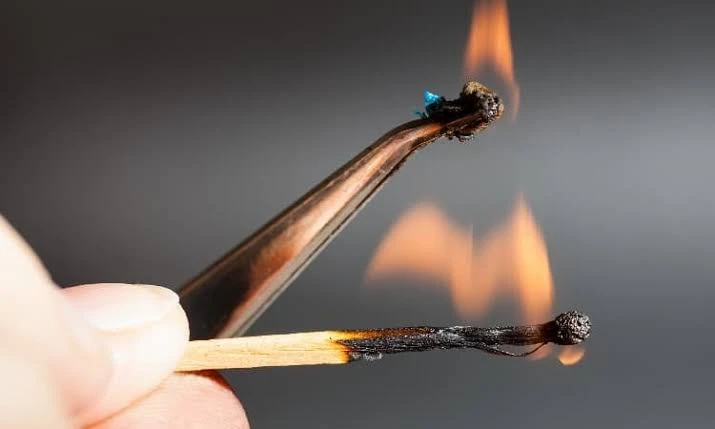
The purpose of a burn test on fabric is to determine its composition and properties. By observing how a fabric burns, melts, or shrinks, one can infer the type of fiber used, whether it is natural or synthetic, and its potential applications. This information is crucial for various industries, including fashion, textiles, and manufacturing, as it helps in quality control, product development, and ensuring compliance with safety regulations. To perform a burn test on fabric effectively, start by cutting a small sample of the fabric and holding it with a pair of tweezers or pliers. Use a lighter or a match to ignite the fabric from the edge and observe the behavior of the flame, smoke, and residue. Take note of any specific characteristics or reactions that occur during the burn test. The key steps involved in conducting a fabric burn test include preparing the fabric sample, igniting it, observing the flame, smoke, and residue, and analyzing the results. It is important to conduct the burn test in a controlled environment, away from flammable materials, and to take safety precautions to avoid accidents or injuries. Before conducting a burn test on fabric, it is essential to consider safety precautions. Make sure to perform the test in a well-ventilated area to avoid inhaling toxic fumes. Keep a fire extinguisher or water source nearby in case of any accidents. Wear protective gloves and goggles to protect yourself from burns or eye injuries. Additionally, ensure that the fabric sample is small and manageable to minimize the risk of spreading flames. The materials and equipment needed to perform a fabric burn test include a small sample of the fabric, a pair of tweezers or pliers to hold the fabric, a lighter or matches to ignite the fabric, and a safe and controlled environment to conduct the test. Fabric testing plays a significant role in determining its composition. Different fibers have distinct properties and characteristics, such as flame resistance, heat resistance, and durability. By conducting tests, including burn tests, professionals can identify the fabric composition, whether it is made of natural fibers like cotton, silk, or wool, or synthetic fibers like polyester, nylon, or acrylic. This information helps in determining the fabric's suitability for specific applications and in ensuring product quality. A textile testing machine aids in conducting a fabric burn test by providing a controlled and standardized environment. These machines can regulate the ignition source, measure the temperature, and record the burn time. They ensure accurate and repeatable results, making it easier to analyze and compare different fabric samples. There are different types of fabric burn test methods available, including the vertical burn test, horizontal burn test, and the modified burn test. Each method has its own set of criteria and observations to determine the fabric composition and behavior during combustion. Fabric composition can be identified through a burn test by observing the flame, smoke, and residue produced. Natural fibers tend to burn and produce an ash-like residue, while synthetic fibers may melt, shrink, or produce black smoke. These observations help in determining the type of fiber used in the fabric. During a fabric burn test, specific characteristics or reactions to look for include the color and intensity of the flame, the presence of smoke, the odor emitted, the residue left behind, and any changes in the fabric's physical appearance. These observations provide valuable insights into the fabric's composition and properties. Conducting a fabric burn test carries potential risks, such as fire hazards and exposure to toxic fumes. It is important to take necessary safety precautions, perform the test in a controlled environment, and have safety equipment and measures in place to minimize these risks. The common applications of fabric burn test results are found in various industries. In the fashion and textile industry, the results help in determining the quality and performance of fabrics, ensuring compliance with safety regulations, and aiding in product development. In the manufacturing industry, fabric burn test results are crucial for selecting appropriate materials for specific applications, such as flame-resistant clothing, upholstery, or automotive interiors. Interpreting the results obtained from a fabric burn test involves analyzing the observed characteristics and comparing them to known references or standards. This allows professionals to identify the fabric composition, assess its properties, and make informed decisions regarding its suitability for specific applications. Apart from a burn test, there are alternative methods to determine fabric composition, such as microscopic analysis, chemical tests, and instrumental techniques like Fourier Transform Infrared Spectroscopy (FTIR) or Gas Chromatography-Mass Spectrometry (GC-MS). These methods provide more detailed and accurate results but may require specialized equipment or expertise. For a successful fabric burn test, it is recommended to conduct the test in a controlled environment, away from flammable materials. Use a small fabric sample that is representative of the material being tested. Take note of any specific characteristics or reactions during the burn test and compare them to known references or standards. Finally, ensure safety precautions are followed to minimize risks and accidents.Conclusion
In conclusion, conducting a burn test on fabric is a valuable method for determining its composition and properties. By observing the flame, smoke, and residue produced during combustion, professionals in various industries can identify the type of fiber used and make informed decisions regarding its suitability for specific applications. Safety precautions should always be followed when performing a fabric burn test to minimize risks and accidents.










Sign in to leave a comment.