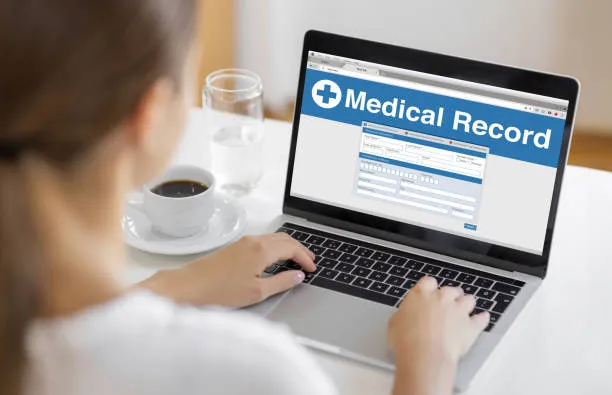

Accurate clinical records are essential for delivering safe and effective patient care. Every diagnosis, treatment plan, prescription, and follow-up decision relies on complete and reliable documentation. Unfortunately, documentation errors remain a common challenge across healthcare organizations. Missing details, inconsistent records, and delayed chart completion can negatively impact clinical decisions and operational efficiency.
As healthcare continues to embrace digital transformation, modern technologies such as AI Medical scribe solutions and ai clinical documentation platforms are helping providers minimize documentation mistakes while improving productivity. By combining automation with intelligent workflows, healthcare organizations can reduce errors before they influence patient outcomes.
Why Documentation Errors Happen
Documentation errors rarely result from a lack of clinical knowledge. Instead, they often occur because healthcare professionals work under significant time pressure while managing multiple responsibilities throughout the day.
Manual note-taking, frequent interruptions, and navigating complex ehr software increase the likelihood of incomplete or inaccurate records. Clinicians may unintentionally omit important patient details or delay documentation until the end of the day, when recalling every aspect of an encounter becomes more difficult.
Traditional medical dictation methods improve efficiency compared to handwritten notes, but they still require manual review and editing, leaving room for human error.
The Impact on Patient Care
Incomplete or inaccurate healthcare documentation affects much more than administrative processes. Clinical decisions depend on accurate patient histories, treatment plans, medication records, and diagnostic findings.
Even small documentation mistakes can lead to communication gaps between care teams, duplicate testing, delayed treatments, or incorrect clinical decisions. These issues not only affect patient safety but also increase operational costs and create additional administrative work.
Healthcare organizations that prioritize documentation quality often experience improved collaboration, stronger compliance, and better continuity of care.
How AI Helps Reduce Documentation Errors
Advancements in ambient ai healthcare are changing how clinical documentation is created. Instead of requiring clinicians to manually capture every detail, AI-powered systems listen to patient conversations using ambient voice technology and generate structured documentation automatically.
This approach reduces reliance on memory while minimizing repetitive data entry. Providers can review AI-generated notes before finalizing records, improving both efficiency and accuracy.
Modern ai clinical documentation platforms also organize information into standardized formats, making records easier to review and understand across care teams.
Practical Strategies to Prevent Documentation Mistakes
Healthcare organizations can significantly reduce documentation errors by adopting consistent workflows and modern technology.
Some effective strategies include:
- Review documentation immediately after every patient encounter.
- Use standardized soap notes to maintain consistency across providers.
- Implement reliable ehr integration to eliminate duplicate data entry.
- Automate repetitive tasks with an intelligent ai transcription tool.
- Train clinicians regularly on documentation best practices and workflow improvements.
Combining these practices with automation helps organizations maintain higher documentation quality while reducing administrative burden.
The Importance of Ambient Clinical Intelligence
Modern healthcare solutions extend far beyond simple transcription. Ambient clinical intelligence analyzes conversations, understands medical context, and organizes information into structured clinical records.
Rather than simply converting speech into text, these systems identify relevant clinical details, improving documentation consistency across providers.
This intelligent approach reduces the risk of missing important information while allowing clinicians to focus their attention on patient interactions instead of typing throughout the appointment.
As healthcare technology continues to evolve, ambient intelligence is becoming an important component of high-quality clinical workflows.
Improving Workflow From Patient Intake to Chart Completion
Reducing documentation errors begins long before a clinician starts writing notes. Accurate patient information collected during ai patient intake provides a stronger foundation for the entire clinical encounter.
When patient intake systems connect with documentation platforms through seamless ehr integration, healthcare teams spend less time entering duplicate information and more time verifying clinical accuracy.
This streamlined workflow improves communication between departments while reducing opportunities for manual mistakes throughout the patient journey.
Organizations that optimize documentation from registration through chart completion often see improvements in both operational efficiency and patient satisfaction.
Financial Benefits of Better Documentation
Accurate documentation supports more than quality care. It also contributes to stronger financial performance by reducing claim denials, minimizing coding inconsistencies, and improving reimbursement accuracy.
Healthcare leaders evaluating documentation technology often consider medical scribe roi alongside operational improvements. Reducing administrative effort while improving documentation quality creates measurable value across clinical and financial workflows.
Many organizations also recognize long-term ai scribe cost savings, particularly when automation reduces overtime, lowers documentation-related inefficiencies, and enables providers to manage larger patient volumes without increasing administrative staff.
Building a Culture of Documentation Excellence
Technology alone cannot eliminate documentation errors. Successful healthcare organizations combine intelligent automation with standardized processes, continuous staff education, and regular quality reviews.
AI-powered documentation solutions support clinicians by reducing repetitive administrative work, but provider oversight remains essential for ensuring clinical accuracy. By integrating intelligent automation with well-designed workflows, healthcare organizations can create more reliable documentation while allowing providers to spend more time focused on patient care.
As documentation demands continue to grow, adopting modern AI-supported workflows offers a practical path toward improving record accuracy, enhancing operational efficiency, and delivering safer, more consistent healthcare experiences.





















Sign in to leave a comment.