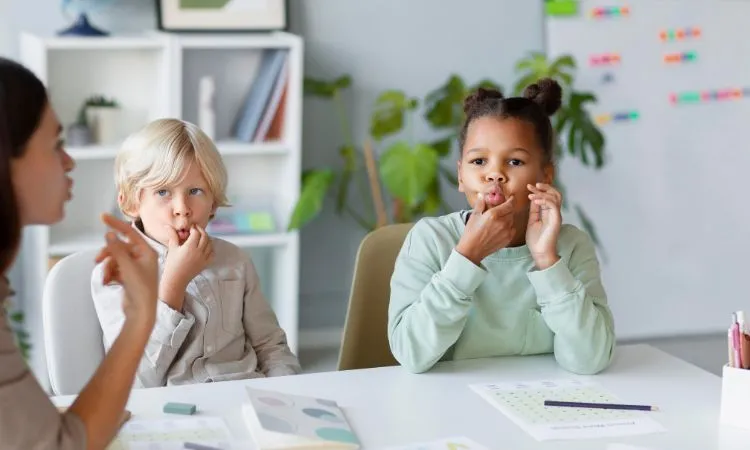

Communication is one of the most important life skills a child develops, allowing them to express their needs, share experiences, build relationships, and participate confidently in everyday activities. For children with Autism Spectrum Disorder (ASD), communication may develop differently, with some children using spoken language while others rely on gestures, pictures, or assistive communication devices. Regardless of the communication method, consistent opportunities to practice can help children make meaningful progress.
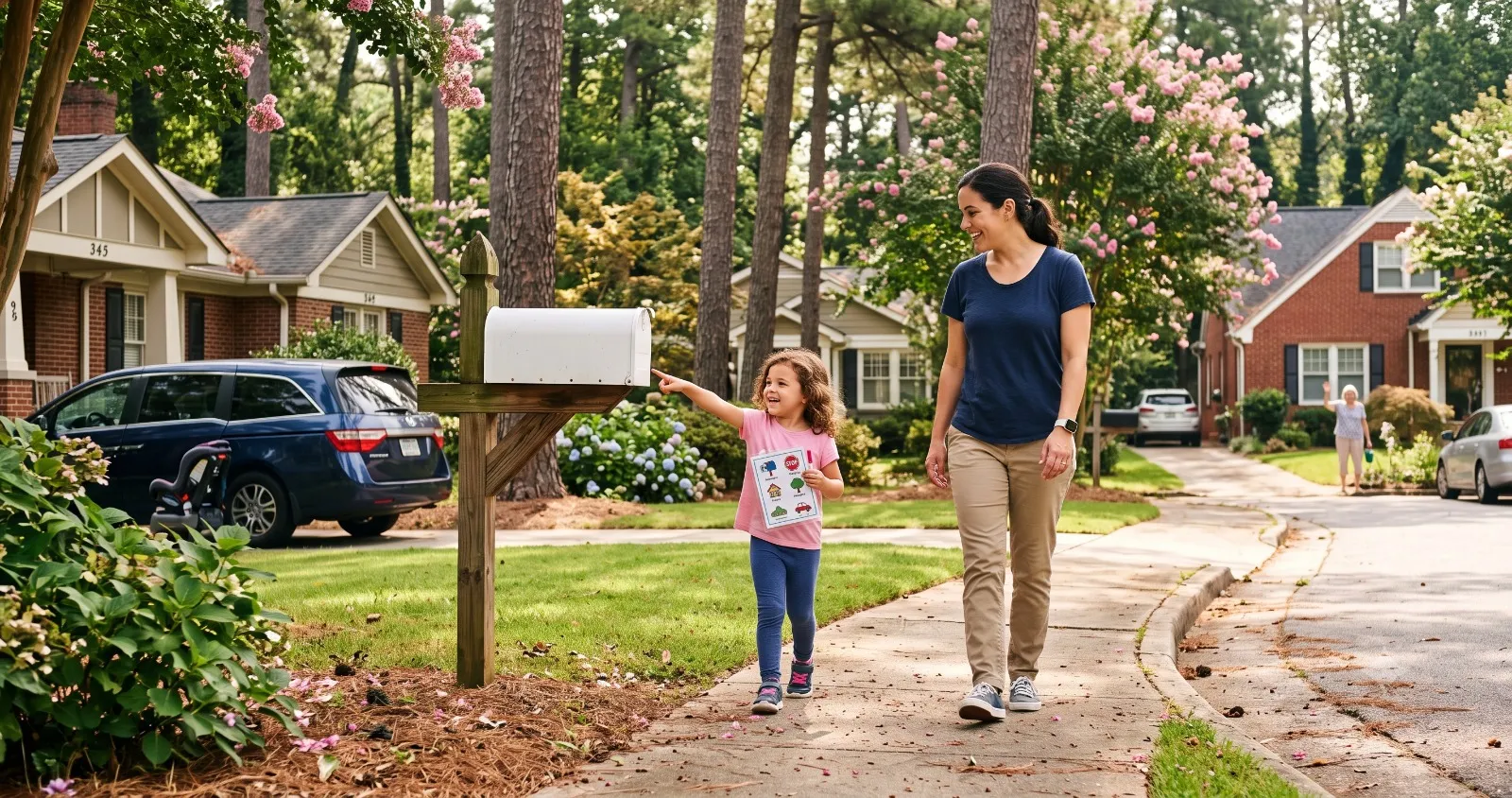
One of the most effective ways to support communication is by incorporating learning into familiar daily routines. Everyday moments such as mealtimes, playtime, getting dressed, or running errands naturally create opportunities for children to interact, make choices, and practice language. When families consistently encourage communication during these activities, children can build skills in environments where they feel safe and comfortable.
Why Everyday Routines Support Communication Development
Families exploring autism aba therapy in Charlotte, NC often learn that communication skills improve most effectively when children can practice them throughout their daily lives rather than only during structured therapy sessions. Everyday routines provide predictable situations where children repeatedly experience similar interactions, making it easier to understand expectations and develop new communication skills over time.
Whether a child is learning to request a favorite toy, answer simple questions, follow directions, or express emotions, familiar routines reduce distractions and create natural opportunities for meaningful conversations. Repetition in real-life situations also helps children generalize newly learned skills, allowing them to communicate more confidently across different environments.
Turn Daily Activities into Learning Opportunities
Almost every routine offers a chance to encourage communication without making learning feel overwhelming.
For example:
- During breakfast, encourage your child to request food or drinks.
- While getting dressed, offer two clothing choices and ask them to choose.
- During bath time, practice naming body parts or describing actions.
- While reading books, pause to let your child identify pictures or complete familiar phrases.
- During grocery shopping, ask simple questions about colors, shapes, or favorite foods.
These everyday interactions naturally motivate children to communicate because the activities have immediate meaning and purpose.
Encourage Choices and Requests
Giving children opportunities to make choices encourages both communication and independence. Rather than automatically providing what they need, create situations where they can request help, ask for preferred items, or indicate preferences.
Simple examples include:
- "Would you like an apple or a banana?"
- "Which toy do you want to play with?"
- "Do you want juice or water?"
- "Should we read this book or that one?"
Even if a child communicates using gestures, pictures, or a communication device, acknowledging and responding positively reinforces their efforts and builds confidence.
Use Positive Reinforcement Throughout the Day
Positive reinforcement plays an essential role in helping children develop communication skills. Whenever a child attempts to communicate, whether through words, signs, gestures, or other methods, offering immediate encouragement increases the likelihood that they will communicate again.
Families participating in aba therapy in Charlotte, NC often use positive reinforcement strategies introduced by their therapy team to support communication at home. Praising attempts, providing access to preferred activities, or celebrating successful interactions helps children understand that communication leads to positive outcomes.
Consistency across home, school, and therapy settings strengthens learning and encourages continued progress.
Be Patient and Allow Time to Respond
Children with autism may need additional time to process information and formulate responses. Asking a question and immediately answering it yourself can unintentionally reduce opportunities for communication.
Instead:
- Ask one question at a time.
- Pause for several seconds.
- Maintain encouraging eye contact if appropriate.
- Accept all forms of communication.
- Expand on your child's responses naturally.
Giving children enough time demonstrates that their communication is valued and respected, encouraging greater participation during conversations.
Partner with ABA Professionals for Consistent Support
Working alongside experienced professionals helps families identify communication goals that fit naturally into everyday life. At Best Ever ABA, therapists collaborate closely with parents and caregivers to create individualized strategies that encourage communication throughout daily routines. By integrating evidence-based ABA techniques into familiar activities, families can reinforce therapy goals while supporting meaningful interactions in comfortable, real-world environments.
Regular communication between therapists and caregivers also ensures that strategies remain consistent, allowing children to practice skills across multiple settings and continue building confidence over time.
Celebrate Every Communication Milestone
Communication development is a gradual process, and every achievement deserves recognition. Whether a child says a new word, points to request an item, uses a communication device independently, or makes eye contact during conversation, these moments represent meaningful progress.
Parents can celebrate success by:
- Offering enthusiastic praise
- Sharing accomplishments with family members
- Tracking progress in a journal
- Continuing to build upon newly learned skills
- Remaining patient during setbacks
Recognizing small improvements helps motivate both children and caregivers while reinforcing positive communication experiences.
Final Thoughts
Encouraging communication in children with autism does not require complicated teaching methods or lengthy practice sessions. Some of the most valuable learning opportunities happen naturally during everyday routines, where children feel comfortable, engaged, and motivated to interact. By creating opportunities to make choices, encouraging requests, using positive reinforcement, allowing time for responses, and working closely with qualified professionals, families can support meaningful communication development every day.
Every child communicates in their own unique way, and progress may look different from one child to another. With consistency, patience, and individualized support, everyday routines can become powerful moments for building communication skills that promote greater independence, stronger relationships, and long-term success.


























Sign in to leave a comment.