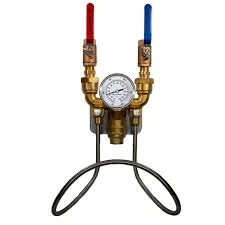
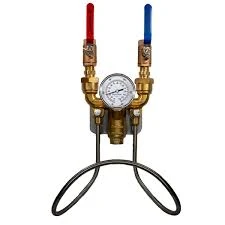
In heavy-duty industrial and commercial environments, maintaining consistent water temperature is crucial for efficient operations, whether it’s for cleaning, sanitation, or washdown procedures. A hot and cold water mixing valve is an essential tool that helps regulate water temperature by blending hot and cold water to achieve a consistent, safe, and optimal temperature for various applications.
Whether you are managing a restaurant kitchen, a brewery, or an industrial washdown facility, correctly installing a hot and cold water mixing valve is key to achieving long-lasting performance and reliable results. Here’s a step-by-step guide to ensure that your installation is smooth and efficient.
Step 1: Choose the Right Hot and Cold Water Mixing Valve
Before starting the installation process, it's crucial to choose the right hot and cold water mixing valve for your application. Consider the following factors:
- Flow Rate: Ensure that the valve can handle the flow rate needed for your washdown or cleaning area. Industrial environments often require valves that can manage high volumes of water.
- Material Compatibility: The valve should be made of materials that can withstand the high temperatures and harsh conditions in industrial settings. Stainless steel or brass valves are often preferred for their durability.
- Temperature Range: Verify that the valve is capable of blending hot and cold water at the temperature ranges necessary for your washdown tasks. This helps ensure that water is neither too hot to cause burns nor too cold to be ineffective for cleaning.
Step 2: Gather the Necessary Tools and Equipment
To ensure a smooth installation process, gather all the necessary tools and equipment before you begin. You will need:
- Wrenches or pipe wrenches
- Thread sealant or Teflon tape
- Screwdrivers
- Drill and mounting hardware
- Safety gloves and goggles
Step 3: Turn Off the Water Supply
Safety is always the first priority when working with water systems. Before you begin installing the valve, make sure to shut off the water supply to the area where the installation will take place. This will prevent any accidental leaks or water flow during the process.
Step 4: Install the Valve Assembly
Once you have your materials and tools ready, it’s time to install the hot and cold water mixing valve. Follow these steps:
- Position the Valve: Choose an accessible location for the valve that allows easy monitoring and maintenance. The valve should be installed close to the point of use, whether it's a cleaning station or kitchen sink.
- Attach Inlet and Outlet Connections: Connect the hot and cold water supply lines to the appropriate inlets on the valve assembly. Make sure to use the correct fittings and tighten them securely to prevent leaks.
- Secure the Valve: Use mounting brackets or screws to secure the valve to the wall or surrounding area. Ensure that the valve is stable and won’t shift under pressure.
Step 5: Test the Valve for Leaks
After the installation is complete, turn the water supply back on and carefully check for leaks around the valve connections. If any leaks are detected, turn off the water supply again, and tighten the fittings. It’s also a good idea to check the valve operation at this point, adjusting the temperature control to ensure smooth mixing.
Step 6: Adjust the Temperature Setting
Once the valve is installed and leak-free, adjust the temperature settings according to the needs of your facility. For industrial washdown, you’ll want to set a temperature that is hot enough for effective cleaning but not so hot that it causes damage to surfaces or poses safety risks. The temperature should typically range from 120°F to 160°F, depending on your specific cleaning requirements.
Step 7: Perform Regular Maintenance
Proper maintenance is essential to ensure the optimal performance of your hot and cold water mixing valve. Periodically check for any build-up of sediment or scale inside the valve that can reduce efficiency or cause malfunctions. Clean the valve regularly and inspect it for signs of wear or damage.
Conclusion
Installing a hot and cold water mixing valve is a straightforward process if done with careful attention to detail. The right valve, properly installed, can ensure a consistent, safe, and efficient water supply for high-demand industrial applications. By following these steps, you can enhance your facility’s performance, ensure the longevity of your equipment, and maintain a high standard of cleanliness and safety.
Remember to consult the manufacturer’s guidelines for any specific installation or maintenance instructions to ensure that your hot and cold water mixing valve is functioning at its best. Proper installation and regular upkeep will provide long-term benefits, keeping your washdown areas and industrial operations running smoothly and efficiently.



























Sign in to leave a comment.