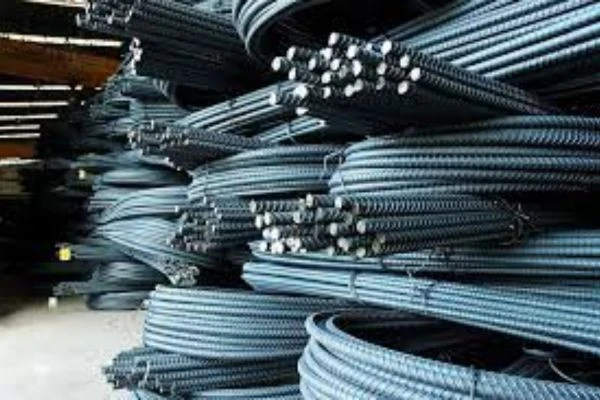

Corrosion resistance is a critical factor to consider when choosing TMT (Thermo-Mechanically Treated) bars for construction projects. The ability of TMT bars to resist corrosion plays a pivotal role in ensuring the durability and longevity of structures. In this blog post, we will delve into the significance of evaluating the corrosion resistance of TMT bars, explore various testing methods and standards, and provide insights to ensure the selection of high-quality and corrosion resistance TMT bars.
According to a study by the National Association of Corrosion Engineers (NACE), the direct cost of corrosion worldwide amounts to trillions of dollars annually, estimated at approximately 3% of global GDP. Corrosion-related failures and repairs in the construction industry account for approximately 20% of the total maintenance costs. The demand for corrosion-resistant TMT bars is projected to grow at a compound annual growth rate (CAGR) of 5.2% from 2021 to 2026, according to a report by MarketsandMarkets.
Understanding Corrosion Resistance:
Corrosion occurs when the metal of TMT bars reacts with the surrounding environment, resulting in material degradation. The corrosion resistance of TMT bars refers to their ability to withstand this chemical reaction over time. Evaluating the corrosion resistance of TMT bars is crucial to ensure the structural integrity and long-term performance of construction projects.
Testing Methods For Corrosion Resistance:
Salt Spray Test: The salt spray test is a widely used accelerated corrosion test. It involves subjecting TMT bar samples to a salt mist environment to assess their resistance to corrosion. The test simulates the corrosive effects of salt-laden atmospheres, making it a valuable method to evaluate the performance of TMT bars.Electrochemical Testing: Electrochemical methods, such as Potentiodynamic Polarization and Electrochemical Impedance Spectroscopy (EIS), provide insights into the corrosion behavior and resistance of TMT bars. These tests measure the electrical properties and response of the TMT bars when subjected to corrosive environments, allowing for accurate evaluation of their corrosion resistance.
Corrosion Potential Measurement: This test determines the corrosion potential of TMT bars by measuring the voltage difference between the bar and a reference electrode in a corrosive environment. By comparing the potential values obtained, the corrosion resistance of different TMT bars can be assessed.
Weight Loss Test: The weight loss test involves exposing TMT bar samples to a corrosive environment for a specified period and measuring the resulting weight loss. This method helps quantify the corrosion rate of TMT bars and provides valuable information for evaluating their resistance to corrosion.
Standards For Corrosion Resistance Evaluation:
Several organizations have established standards to ensure reliable evaluation of the corrosion resistance steels. Adhering to these standards is essential for maintaining quality and consistency in corrosion testing. Some widely recognized standards include:
ASTM A767/A767M: This standard specifies the requirements for zinc-coated (galvanized) steel bars used for concrete reinforcement. It provides guidelines for the coating thickness and the quality of the galvanized layer.
ISO 9223: ISO 9223 establishes a classification system for the corrosivity of atmospheres, enabling the evaluation of the potential corrosive effects on metals and alloys. This standard helps assess the suitability of TMT bars in different environmental conditions.
BS EN ISO 14657: This standard outlines the test methods for steel used in the reinforcement and prestressing of concrete. It includes various tests, including corrosion resistance assessments, to ensure the quality and performance of TMT bars.
Selecting Corrosion-Resistant Tmt Bars:
When choosing corrosion-resistant TMT bars for construction projects, it is important to consider the following factors:
Grade Of Steel: The grade of steel used in TMT bars significantly influences their corrosion resistance. Higher-grade steel, such as Fe 500D or Fe 550D, possesses enhanced corrosion resistance due to its chemical composition and microstructure. Selecting TMT bars with appropriate grades is crucial to ensure long-term performance.
Coating Or Surface Treatment: TMT bars can be coated or subjected to surface treatments to provide an additional layer of corrosion resistance. Coatings like epoxy, zinc, or epoxy-zinc are commonly used to protect TMT bars from corrosive environments. These coatings act as a barrier, preventing direct contact between the metal and corrosive agents.
Alloying Elements: The addition of specific alloying elements to TMT bars can improve their corrosion resistance. Elements such as copper, chromium, and phosphorus, when present in appropriate quantities, enhance the TMT bars' ability to withstand corrosion. Understanding the impact of alloying elements is crucial when selecting corrosion-resistant TMT bars.
Importance Of Corrosion Resistance:
The significance of evaluating the corrosion resistance of TMT bars cannot be overstated. Corrosion can lead to structural deterioration, compromising the safety and integrity of buildings and infrastructure. Corrosion-induced failures can result in costly repairs, disruptions, and even potential hazards to occupants. By selecting corrosion-resistant TMT bars, construction professionals can ensure the longevity and durability of their projects, minimizing the risks associated with corrosion-related issues.
Long-Term Performance And Durability:
Corrosion-resistant TMT bars provide long-term performance and durability, especially in harsh and corrosive environments. Structures exposed to coastal areas, industrial zones, or areas with high humidity are particularly susceptible to corrosion. By evaluating and choosing TMT bars with high corrosion resistance, engineers can extend the service life of the structure and reduce the need for frequent repairs or replacements.
Technological Advancements In Corrosion Resistance:
Continual advancements in material science and manufacturing processes have led to the development of innovative corrosion-resistant coatings, surface treatments, and alloy compositions for TMT bars. Exploring and adopting these technological advancements can further enhance the corrosion resistance and overall performance of TMT bars. Staying updated with industry trends and advancements allows construction professionals to leverage the latest solutions for improved corrosion protection.
Evaluating the corrosion resistance of TMT bars is paramount for constructing structures that can withstand the test of time. By utilizing appropriate testing methods and adhering to recognized standards, engineers and contractors can make informed decisions when selecting corrosion resistance TMT bars. Investing in high-quality TMT bars not only reduces maintenance costs but also ensures the safety and longevity of construction projects.




























Sign in to leave a comment.